In 2015, Italian scholar Francesco Medici published a landmark Italian-language anthology of Arab-American poetry — bringing Kahlil Gibran, Ameen Rihani, Mikhail Naimy, and Elia Abu Madi to Italian readers for the first time in a single volume, with a preface by Professor Ameen Albert Rihani of Notre Dame University, Lebanon.
By Glen Kalem-Habib
• ❧ KGC ❧ •
KAHLIL GIBRAN COLLECTIVE
By Glen Kalem-Habib · Kahlil Gibran Collective · 2015 · kahlilgibran.com
• ❧ KGC ❧ •
I
On 28 April 1920, in Kahlil Gibran's studio in New York, a dozen Syrian-Lebanese writers who had emigrated to the United States officially founded a political literary circle known as the Pen Bond — al-Rabitah al-Qalamiyah. Formed in spirit as early as 1916, they were a group of rebels and activists, determined to bring the Arabic language to new life after centuries of stagnation and sterility, and to kindle the revolt of their countrymen against Ottoman rule and European mandates. The work of some of these immigrant Arab poets would meet a resounding and still lasting world success.
In 2015, Francesco Medici — Italian scholar and translator of Kahlil Gibran's works — published Poeti arabi della diaspora (Arab Poets of the Diaspora): the first Italian-language anthology to bring together verse and prose poems by all four of the Pen Bond's leading figures — Kahlil Gibran, Ameen Rihani, Mikhail Naimy, and Elia Abu Madi. Together with rare and previously unpublished texts by Gibran, the anthology draws on the finest work of each poet, presenting them as a movement rather than as isolated voices.
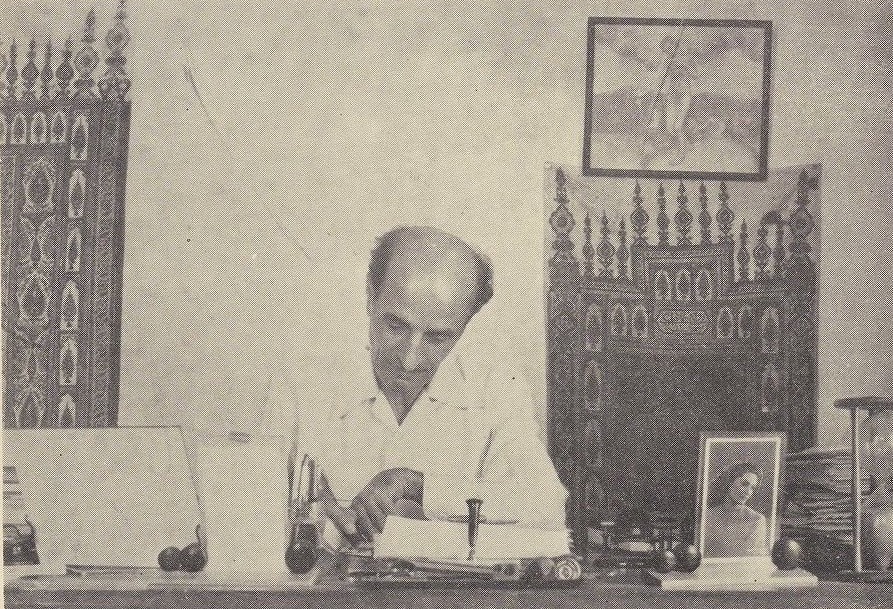
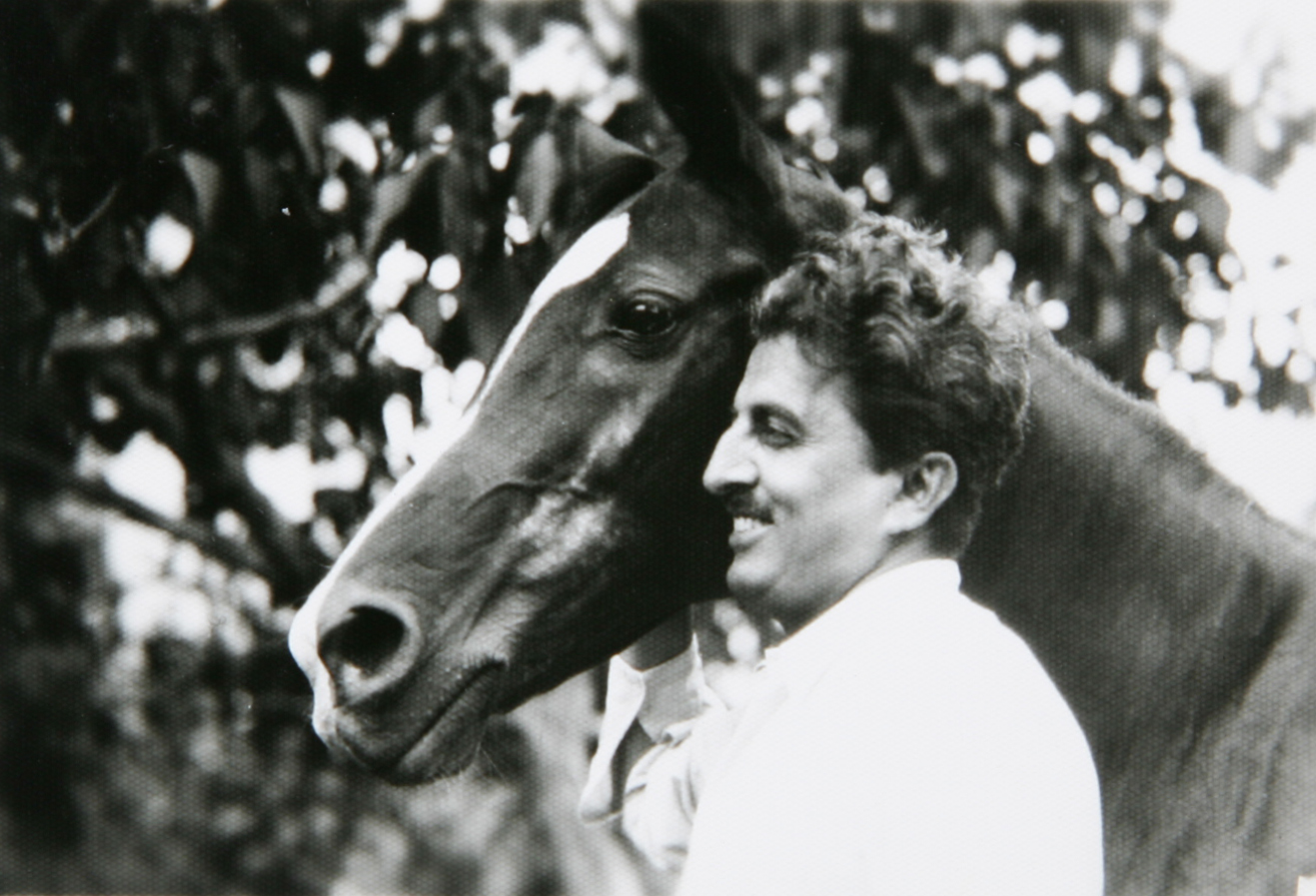
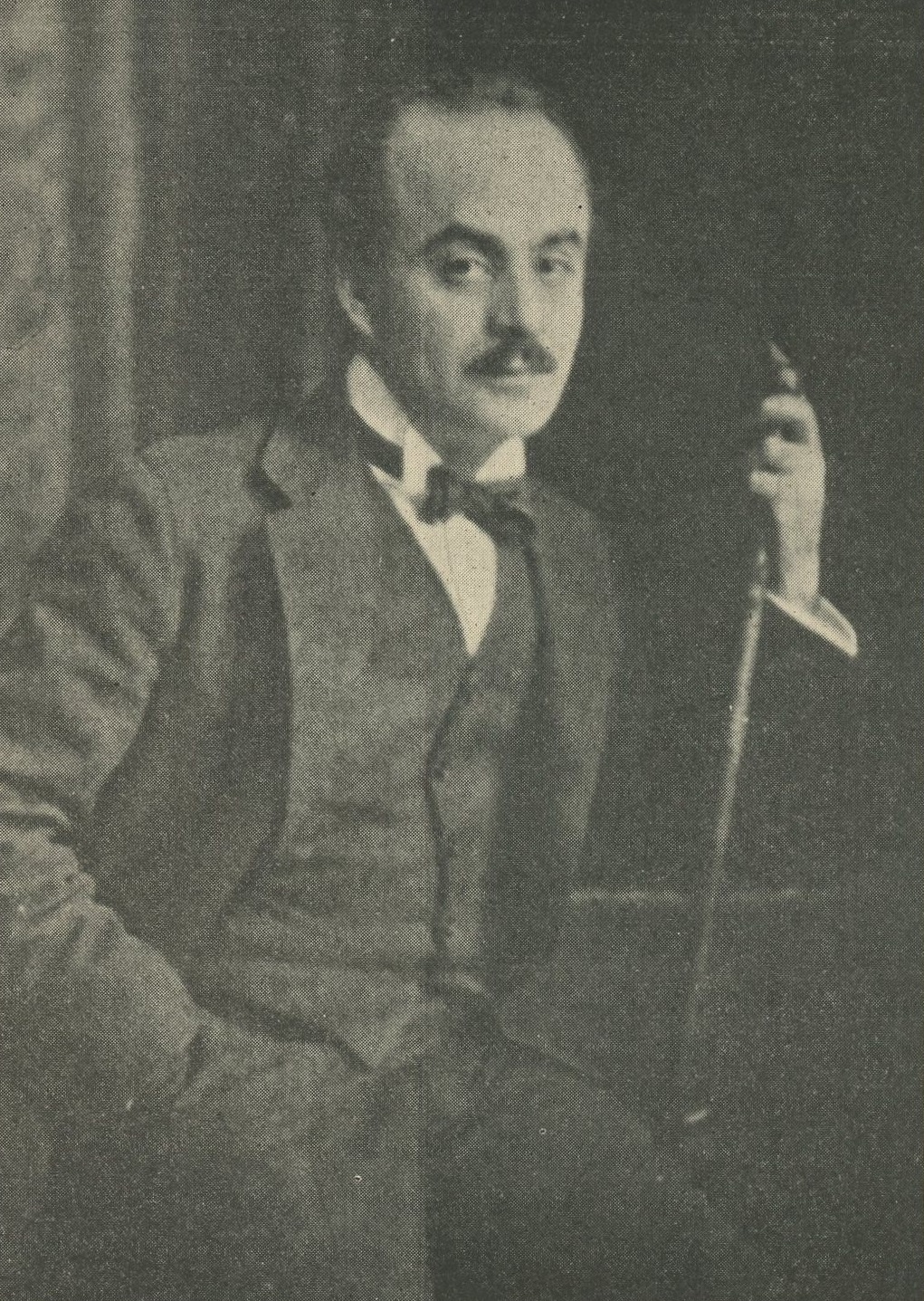
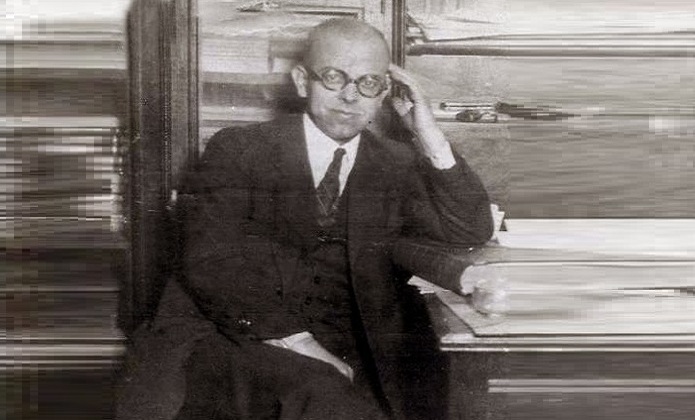
The book is embellished by two poems of Ameen Rihani — from his 1921 collection A Chant of Mystics and Other Poems (James T. White and Co., New York) — set to music by Malaavia, an Italian progressive rock band. Both tracks can be heard on YouTube: Canto sufi (A Sufi Song) and Le torri e la notte (The Towers and the Night).
• ❧ KGC ❧ •
II
The following preface was written by Dr. Ameen Albert Rihani, Professor Emeritus of Arab-American Literature and Twentieth Century Arab Thought at Notre Dame University, Lebanon — bearing the family namesake of the late Ameen Rihani, whose work he has documented and championed for many years.
The Arabic poetry of New York, or the Arab poets of the new land, or the Arab-American poets, the leading literary and intellectual figures of the Pen Bond or the founding members of Al-Rabitah al-Qalamiyyah… What made them so special, so unique, and so exceptional? The answer to this question is crucial because it is directly related to their role in modern Arabic literature and in what we call today Arab-American Literature.
The common denominator between Ameen Rihani, Kahlil Gibran, Mikhail Naimy, and Elia Abu Madi is based on the following facts. These four poets and writers have, consciously or unconsciously, divorced the old types of classical Arabic poetry and prose. Why? It so happened that each of these four major literary figures was brought up and went through experiences outside any prototype. These people lived in the United States and felt that the old prototype texts could no longer embrace and express their new experiences in the new land. They discovered, each in his own way, that they had surpassed the literary heritage of their ancestors. They felt they needed to change their old traditional cloth for the new fabric of America — to exchange their previous world for that of the new age, the new society, and the new people of the new land.
For men of letters, this meant changing an elderly language for an innovative one. Not by dropping Arabic and espousing English, but by starting a new language within the classical Arabic language — and by accepting English as a means of expression if they wished to reach the American reader in particular, and the Western reader at large.
Rihani was the first Arab-American poet to write classical poetry and prose poetry in English, beginning in the summer of 1900, and to write free verse in Arabic, since 1903. He addressed himself to the West as a proud Oriental writer "who came from the Mountains of Lebanon, from under the shadow of the Acropolis of Baalbek, to learn from the Yankees the way to do things." In his collection Hymns of the Valleys, he was considered the pioneer of modern Arabic poetry. In his other collections, A Chant of Mystics and Other Poems and Waves of My Life and Other Poems, he maintained a balance between Oriental touch and Occidental experience, in both subject and form.
Gibran, in his Arabic prose poetry, remained nearer to Oriental emotional topics — as in Spirits Rebellious and A Tear and a Smile — while taking a different approach in his English prose poetry, attempting to overcome his Oriental background and address the West through topics of common human concern: the good of humanity whether in East or West, old homeland or new world, as in Sand and Foam, The Earth Gods, and The Prophet.
Naimy never thought of writing in English except at a later stage, with his symbolic novel The Book of Mirdad, treating the evolution of the human being from cradle to grave. In Arabic, his collection Hams al-Jufoon (Eyelid Whisperings) is characterised by a romantic framework based on personal experience.
Abu Madi, alone among the four, never wrote in English despite his New York experience. Yet his classical Arabic poetry suggested a new trend in two ways: innovation within the Arabic language itself, and new concerns within the poem — a new step visible in his collections Al-Jadawel (Streams), Al-Khama'il (Thickets), and Tibr wa-Turab (Gold and Dust).
These four poets share more than one common denominator. They all agree that a basic change in the language of Arabic poetry and prose was necessary if they wished to contribute to modern Arabic literature in the twentieth century. They all agree that this change should not limit itself to form and style, but should reach the level of influencing modern Arab ambitions — producing a vibrant literature capable of engaging with modernity and futurism. Most of them chose to write also in English to demonstrate common concerns with the West. Rihani went furthest in this direction, building an intellectual bridge between East and West: highlighting Oriental apprehensions in his English writings, and Occidental concerns in his Arabic ones.
If these four poets were the leading figures of the Pen Bond of New York, and if Rihani and Gibran were its two real cornerstones, then it is worth noting: Rihani is considered today by major Western scholars as the Founding Father of Arab-American literature, and Gibran as the most popular Lebanese Arab writer of all time. The Library of Congress, in a press release of March 2011, announced that Rihani is today the most influential Arab-American writer worldwide.
I close with a final word about the book and its translator. I don't know enough of the beautiful rhythmic Italian language to judge the translation fully, but I do know two things. First, the choice of poems is precise and ingenious in representing the characteristics of each of the four poets — truthful to their literary and poetic distinctiveness and individuality. Second, the translator is a well-known writer and scholar with a specific interest in Arab-American literature, and particularly in the works of Rihani and Gibran. This collection, translated into Italian, is a real introduction for the Italian reader to a sincere and significant taste of what it means to be an Oriental poet living in New York and writing poetry for the Western reader. It takes someone like Professor Francesco Medici — who shares with these four poets a flavour of the Mediterranean culture and spirit — to present this kind of special poetry to Italy and the Italian people.
— Ameen Albert Rihani, Ph.D., Professor Emeritus, Notre Dame University, Lebanon
❁
Poeti arabi della diaspora — versi e prose liriche di Kahlil Gibran, Ameen Rihani, Mikhail Naimy, Elia Abu Madi. Traduzione e cura di Francesco Medici. Presentazione di Kegham Jamil Boloyan. Prefazione di Ameen Albert Rihani. Con due poesie musicate dai Malaavia. Stilo Editrice, Bari, 2015.
Arab Poets of the Diaspora — poems and prose poems by Kahlil Gibran, Ameen Rihani, Mikhail Naimy, Elia Abu Madi. Edited and translated by Francesco Medici. Foreword by Kegham Jamil Boloyan. Preface by Ameen Albert Rihani. With two poems set to music by Malaavia. Stilo Editrice, Bari, Italy, 2015.
All Rights Reserved © Copyright Kahlil Gibran Collective 2015