They called him the Complaining Poet. When Rasheed Ayoub published his second collection in New York in 1928, Gibran designed the frontispiece, decorated the pages, and painted something new for it.
By Francesco Medici
• ❧ KGC ❧ •
KAHLIL GIBRAN COLLECTIVE
By Francesco Medici · Kahlil Gibran Collective · 2025 · kahlilgibran.com
• ❧ KGC ❧ •
I
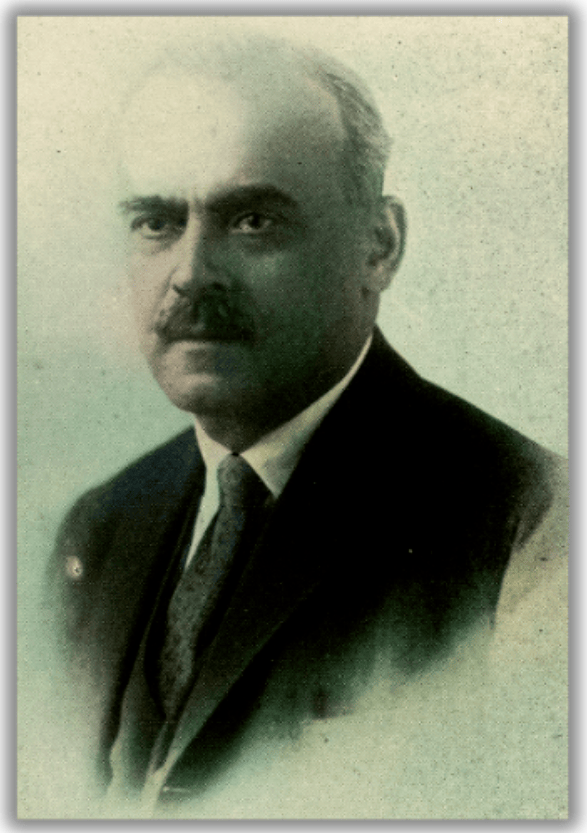
Rasheed Ayoub was born in Baskinta, Lebanon, in 1873 (though some sources cite 1871 or 1872). As a teenager, he travelled to Paris, where he stayed for three years before moving to Manchester for a similar period to work in the export trade. After a brief return to his native village, he emigrated to New York as a merchant and soon became part of the Mahjar literary movement. Together with other expatriate writers, he founded al-Rabitah al-Qalamiyyah (the Pen League), also known simply as Arrabitah, the first Arab-American literary society. In the United States, he emerged as one of the most prominent poets of the Arabic diaspora. Ayoub continued to write until his death in 1941 and was buried in Brooklyn.
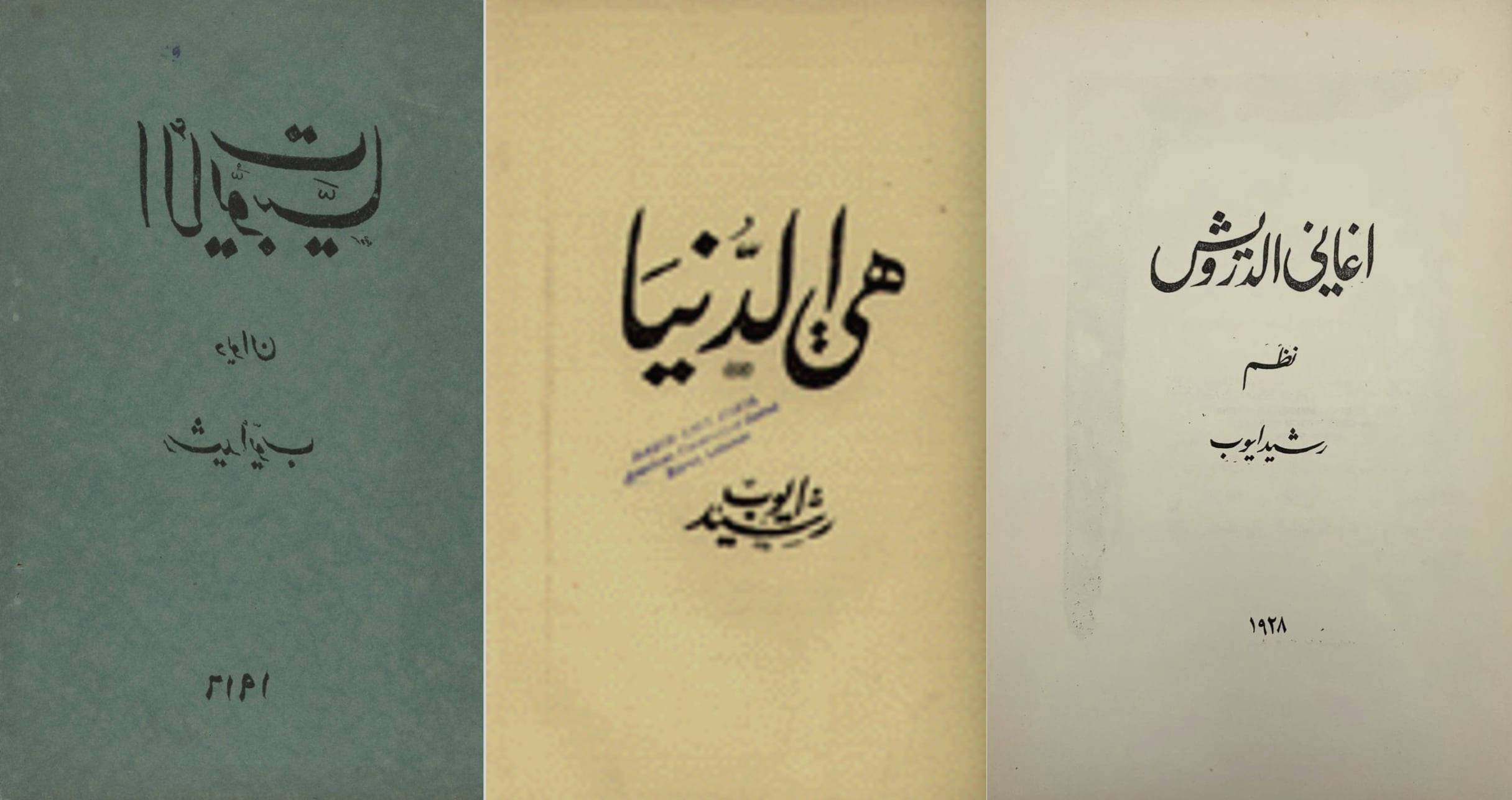
He became known as ‘the Complaining Poet’ for the frequent laments over life’s hardships in his work. His poems first circulated in al-Funoon (“The Arts”), an Arabic-language magazine published in New York that promoted new literary forms within the Arab world. His first poetry collection, al-Ayoubiyyat (“The Ayoub Poems”), appeared in 1916. His third and final volume of verse, Hiya al-Dunya (literally “This is Life” or “This is the World”), was published in 1939.
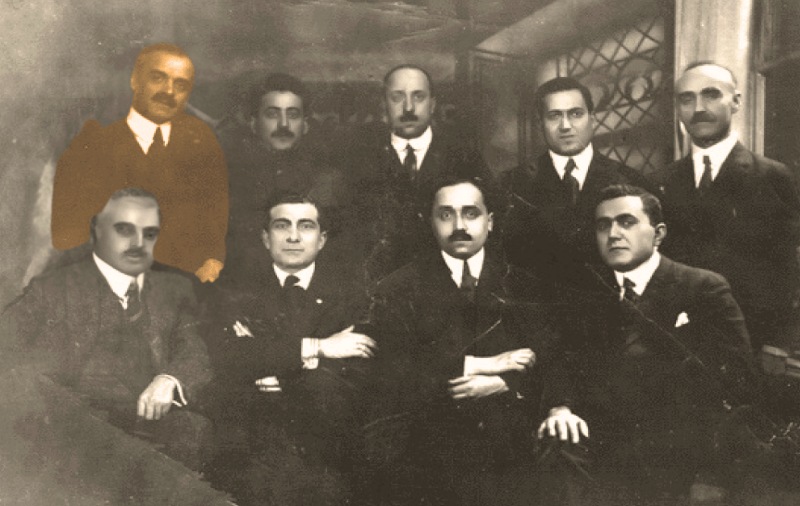
In his autobiography Sab’un (“Seventy”), Mikhail Naimy offers a vivid portrait of his colleague and fellow townsman:
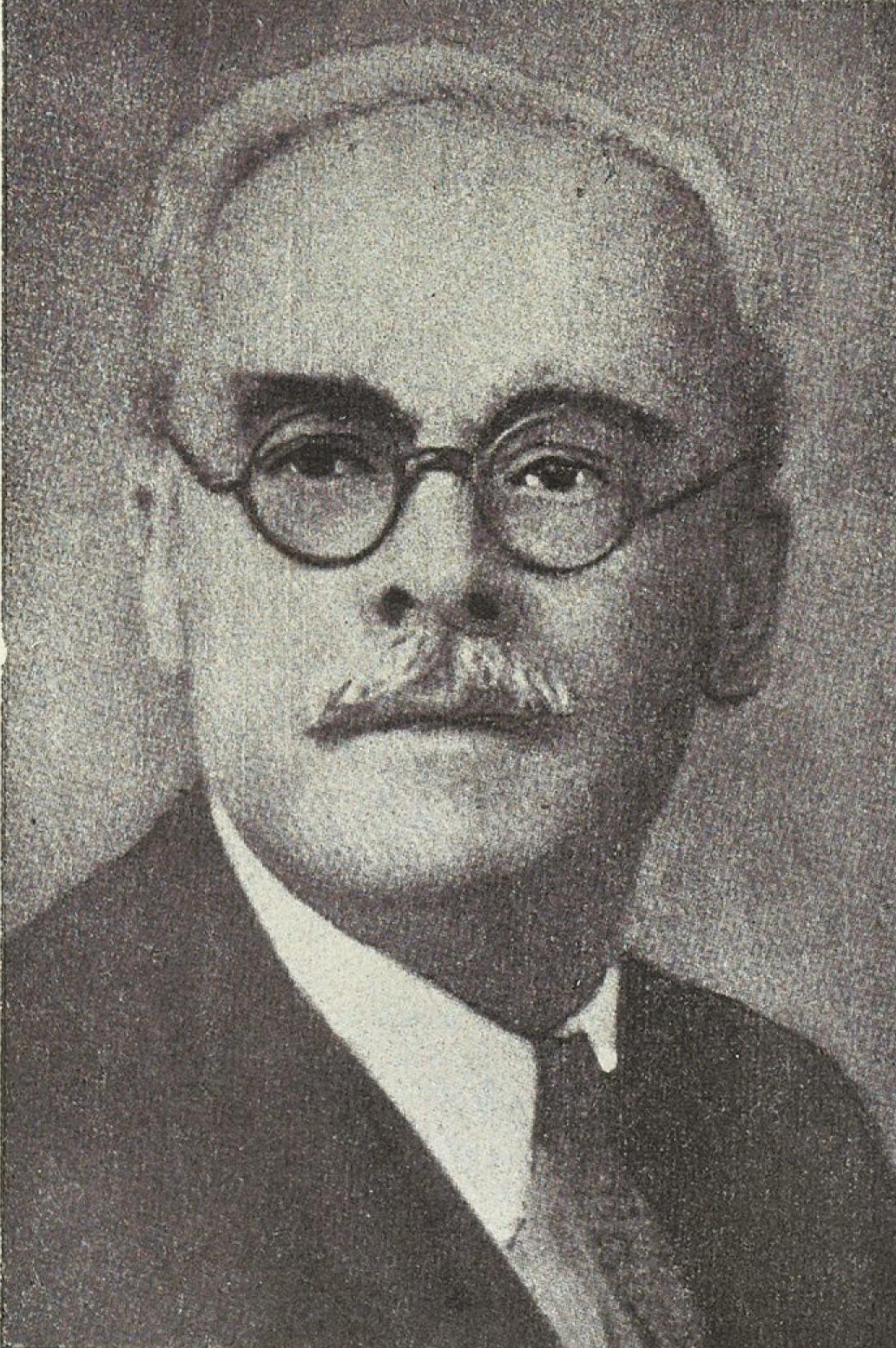
“Rasheed Ayoub was tall, but neither fat nor slim. He was good-looking, emotional, and honest, though not street smart. Generous – even to the point of being extravagant – he was always pleasant and joyful, ready to joke, especially among friends. Alcohol, which often leads others to behave improperly, would instead stir his feelings, draw out the best in him, and make him forget his troubles. Rasheed’s difficulties were usually those of a man responsible for a wife and three children; he always wished to give them the best, though seldom could. Among his finest qualities was his awareness of his own limits as a poet: he never flaunted himself before those beneath him, nor envied those above him, and vanity was foreign to him. He treated everyone with fairness and due respect. When Rasheed invited us to dinner at his home, we made sure never to miss such delightful gatherings, rich with discussions of poetry and literature. There was always an enmity between him and the dollar; whenever he had money, he would spend it quickly and without hesitation. For this reason, we nicknamed him ‘The Dervish.’”
• ❧ KGC ❧ •
II
This nickname most likely inspired the title of his second poetry collection, Aghani al-Darwish (“Songs of the Dervish”), published in 1928 by the Syrian-American Press of New York. The 112-page volume features contributions from two other distinguished Arrabitah members: the aforementioned Naimy, who wrote the preface, and Kahlil Gibran, who served as illustrator.
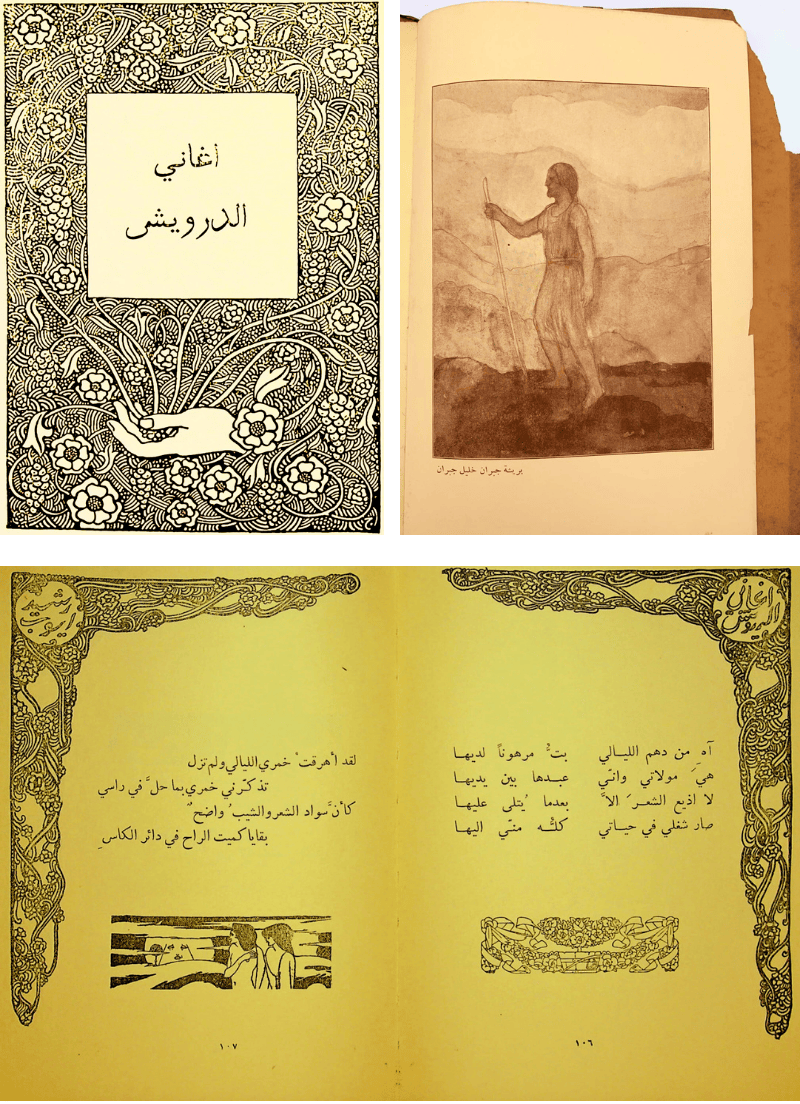
Gibran enriched the book in numerous ways. He designed the frontispiece, which features a characteristic image of a hand from which flowers bloom. Every page is ornately decorated: the right-hand pages bear the collection's title (“Aghani al-Darwish”), while the left-hand pages display the author’s full name, each rendered in elegant, finely crafted calligraphy. Several pages are further embellished with floral motifs, stylized male and female nudes, open hands, abstract patterns, and other decorative elements. Many of these designs appear elsewhere in Gibran’s work, including in his aphoristic collection Sand and Foam.
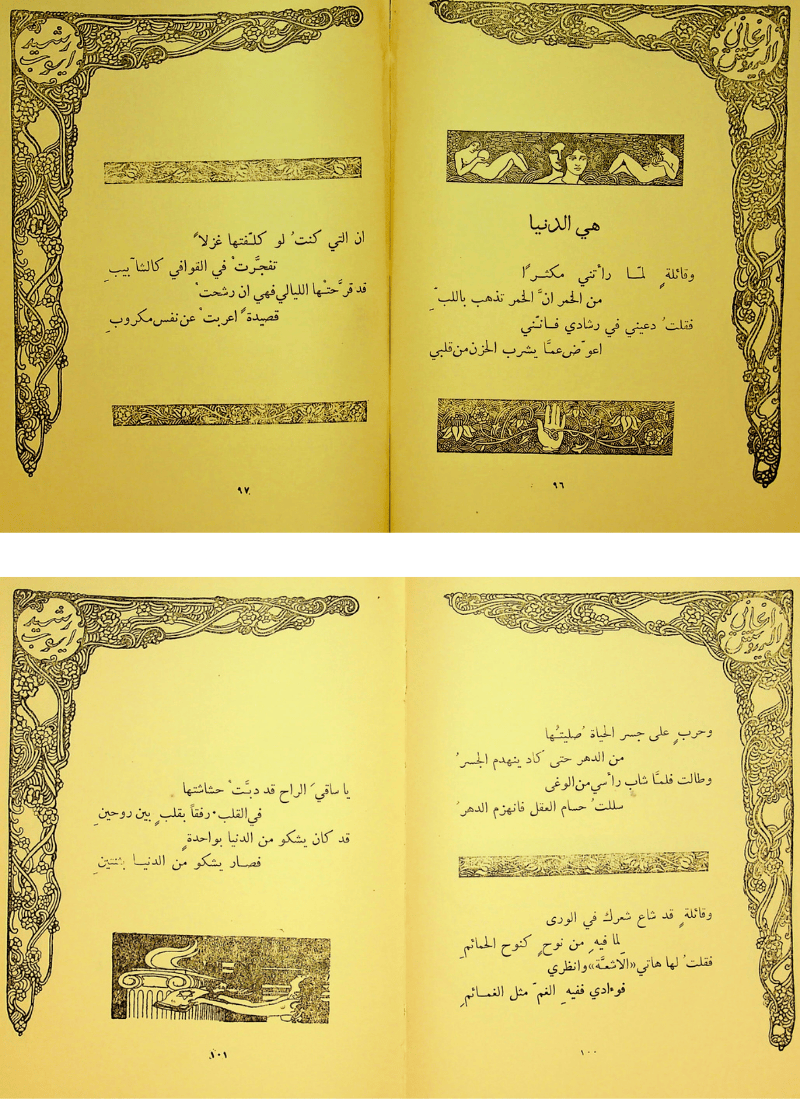
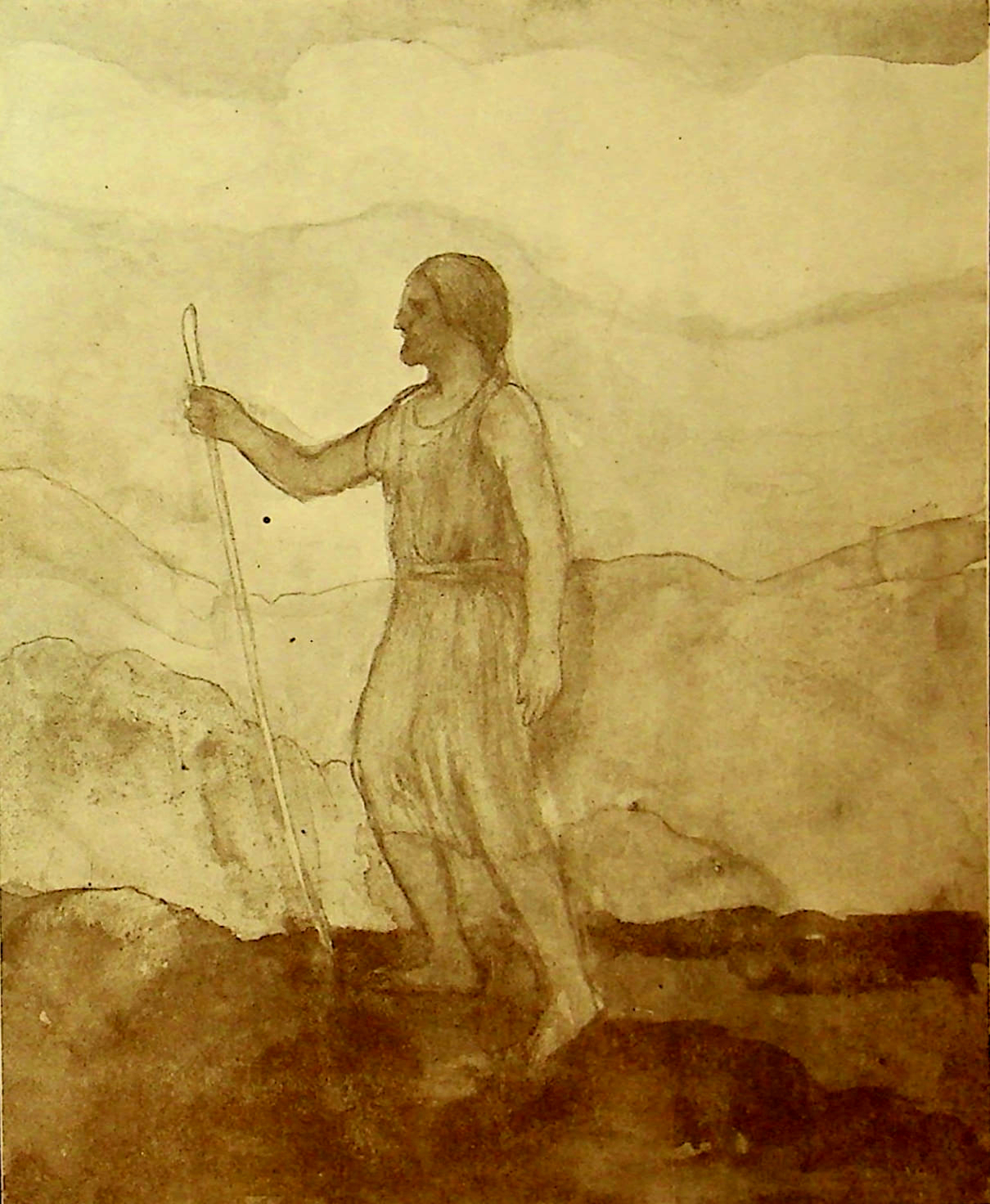
Gibran’s most remarkable contribution to Aghani al-Darwish, however, is a painting he likely created specifically for the book as a gift for his close friend. Reproduced at the beginning of the volume, the plate depicts a wandering dervish – resembling a dowser or diviner – shown in full length against a mountain landscape. The bearded, long-haired figure is poorly clothed and carries the typical dervish crutch or staff. Unfortunately, nothing is known of the fate of the original artwork; its colors, medium, and any potential exhibition history remain unknown. What is certain is that neither the painting nor Ayoub’s book has received mention in Gibran scholarship to date.
❁
Notes
[1] Rasheed Ayoub, “al-Ayoubiyyat”, New York: al-Matbaʻah al-Suriyah al-Amrikiyah, 1916.
[2] Rasheed Ayoub, “Hiya al-Dunya”, New York: Matbaʻat Tubiya al-Tijariyah, 1939.
[3] Mikhail Naimy, “Sab’un (Seventy): An Autobiography”, Selections Translated into English with an Introduction by George Nicolas El-Hage, Ph.D., 2020, pp. 219-220.
[4] Rasheed Ayoub, New York: al-Matbaʻah al-Suriyah al-Amrikiyah, 1928.
[5] Kahlil Gibran, “Sand and Foam”, New York: Knopf, 1926.
All Rights Reserved © Copyright Francesco Medici 2025