The wife of Woodrow Wilson’s Secretary of State sat for Gibran in 1922. Sixteen years later she wrote down what she remembered of him — the robes, the studio, the eyes.
By Francesco Medici and Glen Kalem-Habib
• ❧ KGC ❧ •
KAHLIL GIBRAN COLLECTIVE
By Francesco Medici & Glen Kalem-Habib · Kahlil Gibran Collective · 2025 · kahlilgibran.com
• ❧ KGC ❧ •
I
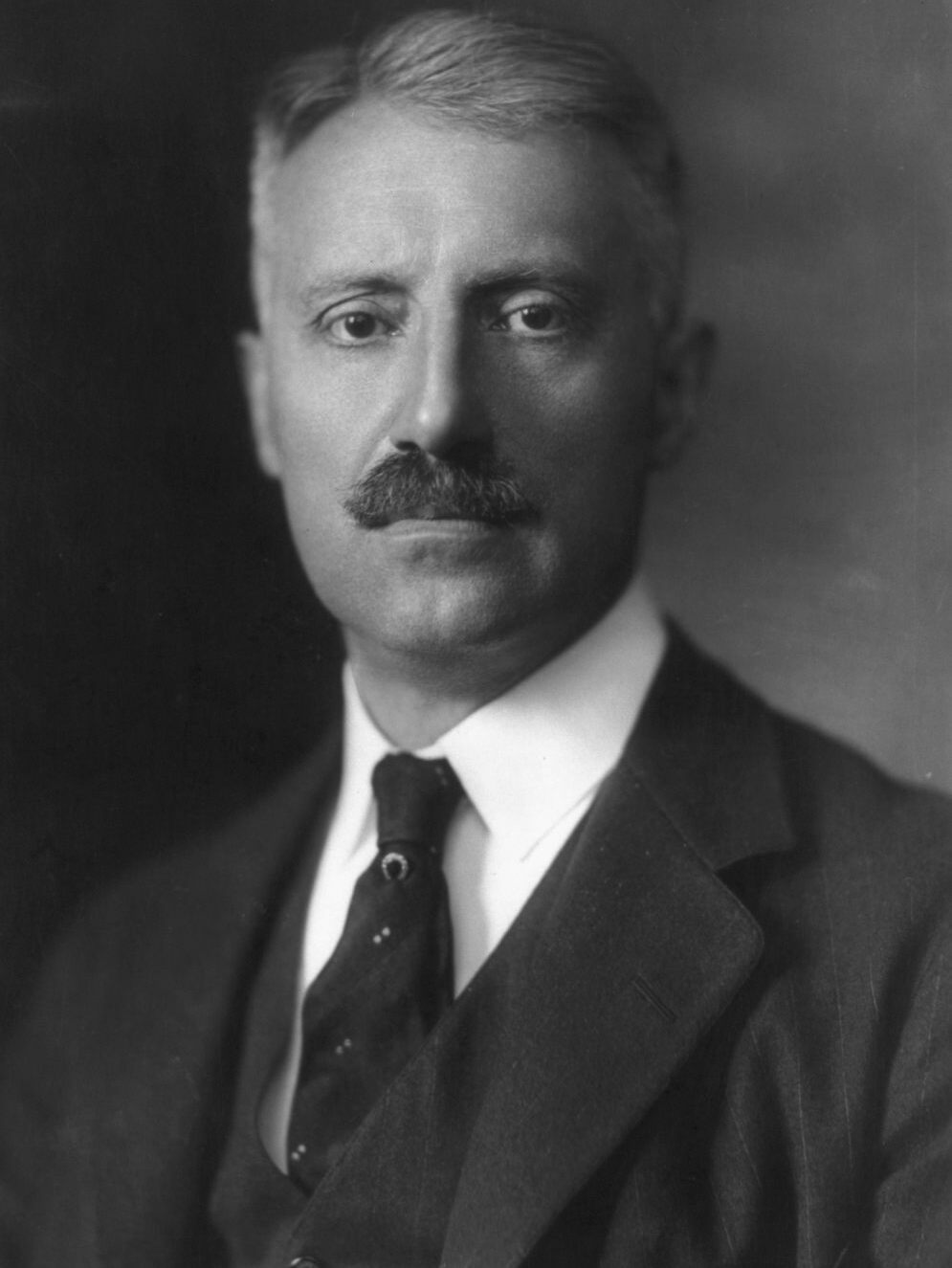
Kahlil Gibran met President Woodrow Wilson’s Secretary of State, Bainbridge Colby (1869–1950), a Manhattan lawyer, and his wife, Nathalie Sedgwick Colby (née Washburn, 1875–1942), an American translator and novelist, between late 1920 and early 1921.
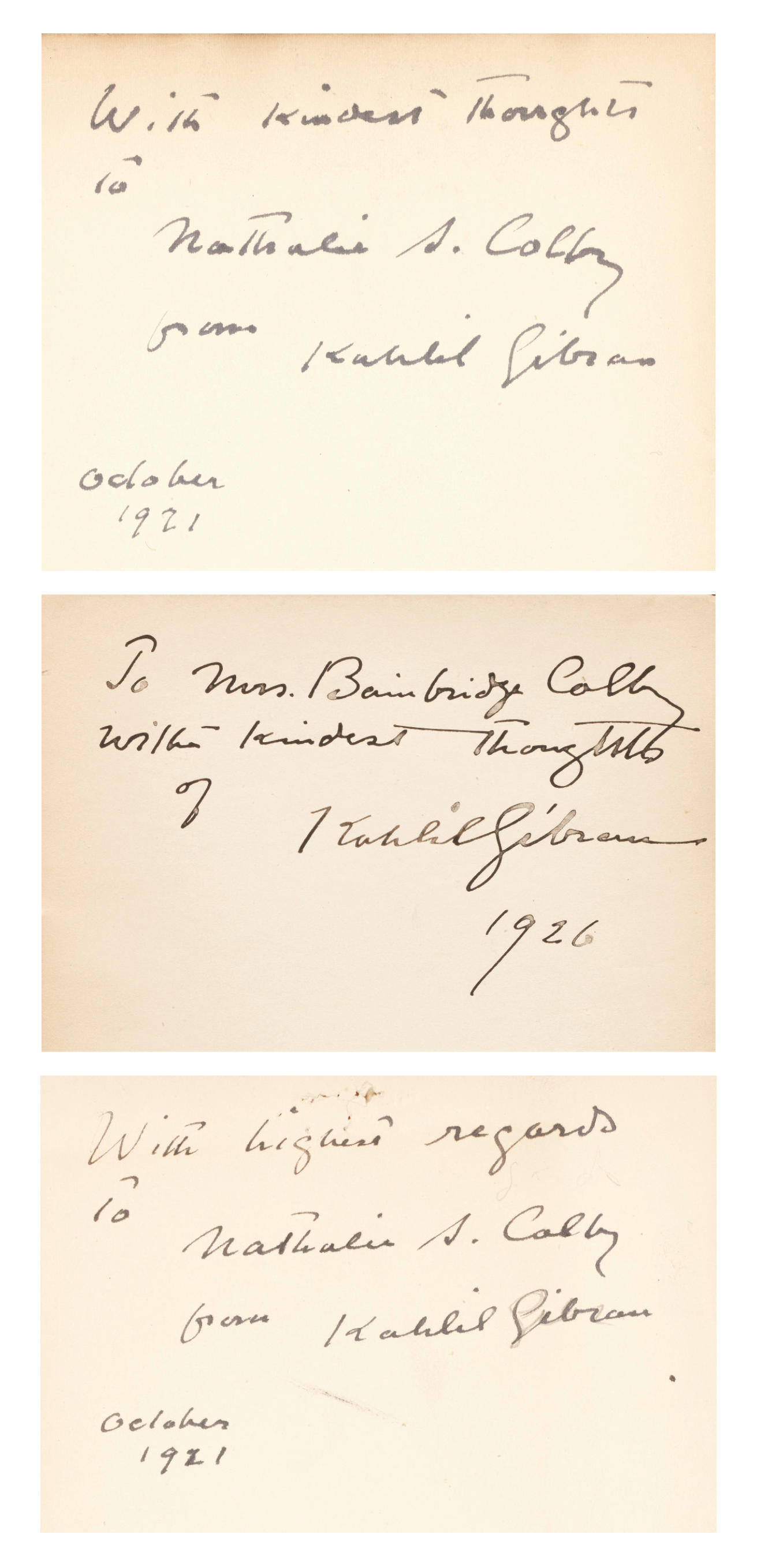
Their friendship began when Gibran signed his books for them. Later, the couple purchased two of his drawings, and Mrs. Colby began inviting him to parties they hosted. Through these gatherings, he met many writers and artists from her wide international circle.
• ❧ KGC ❧ •
II
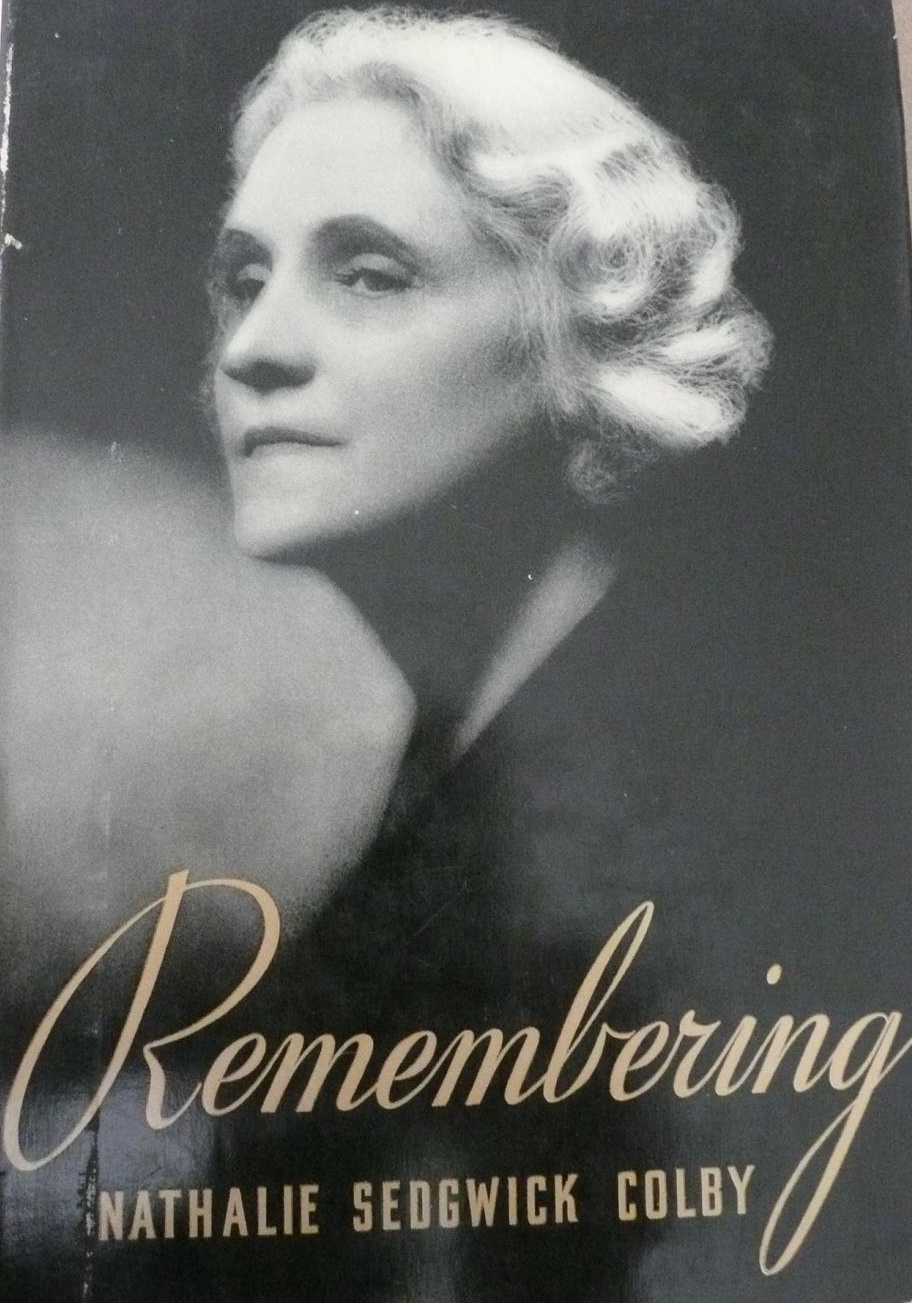
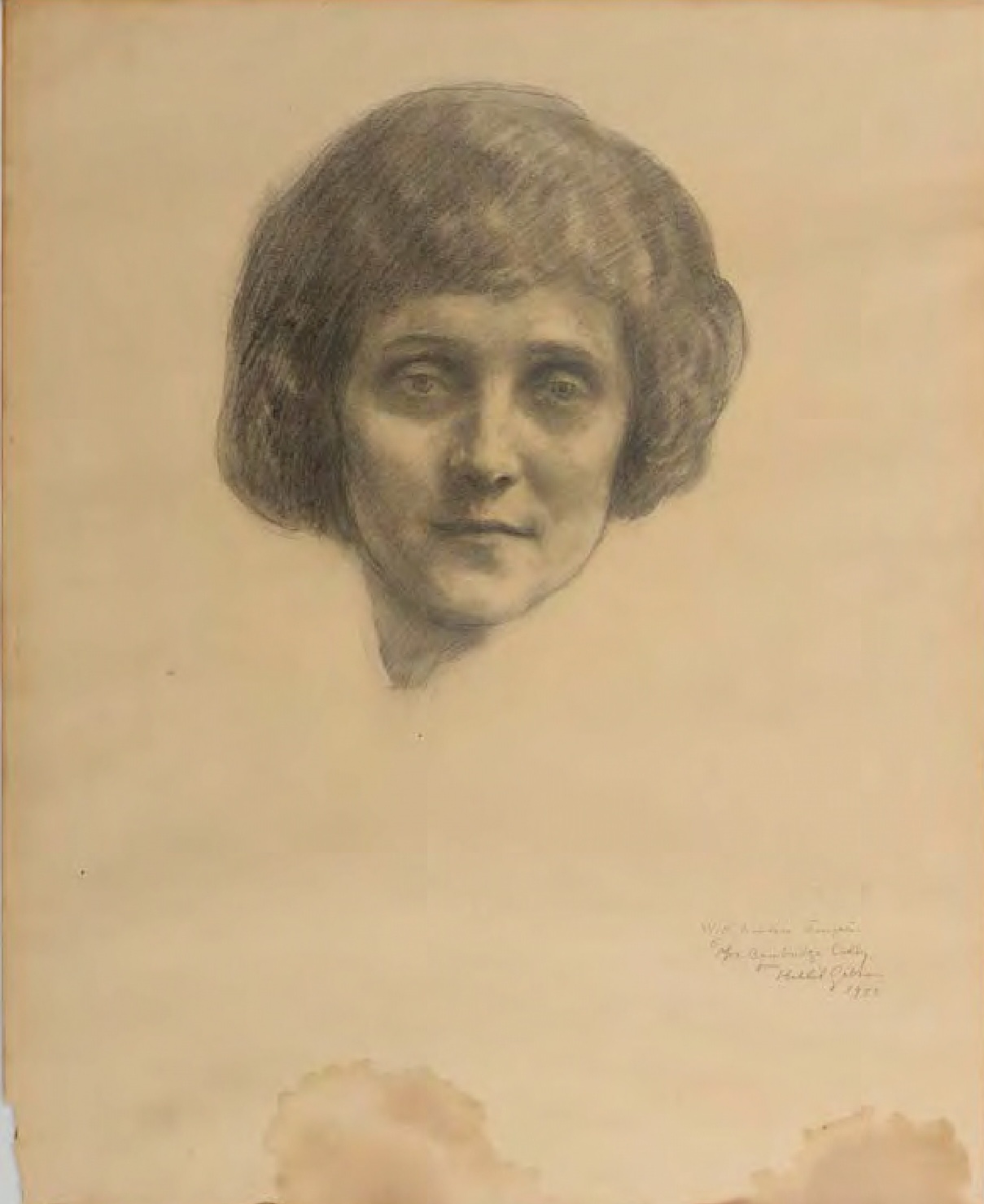
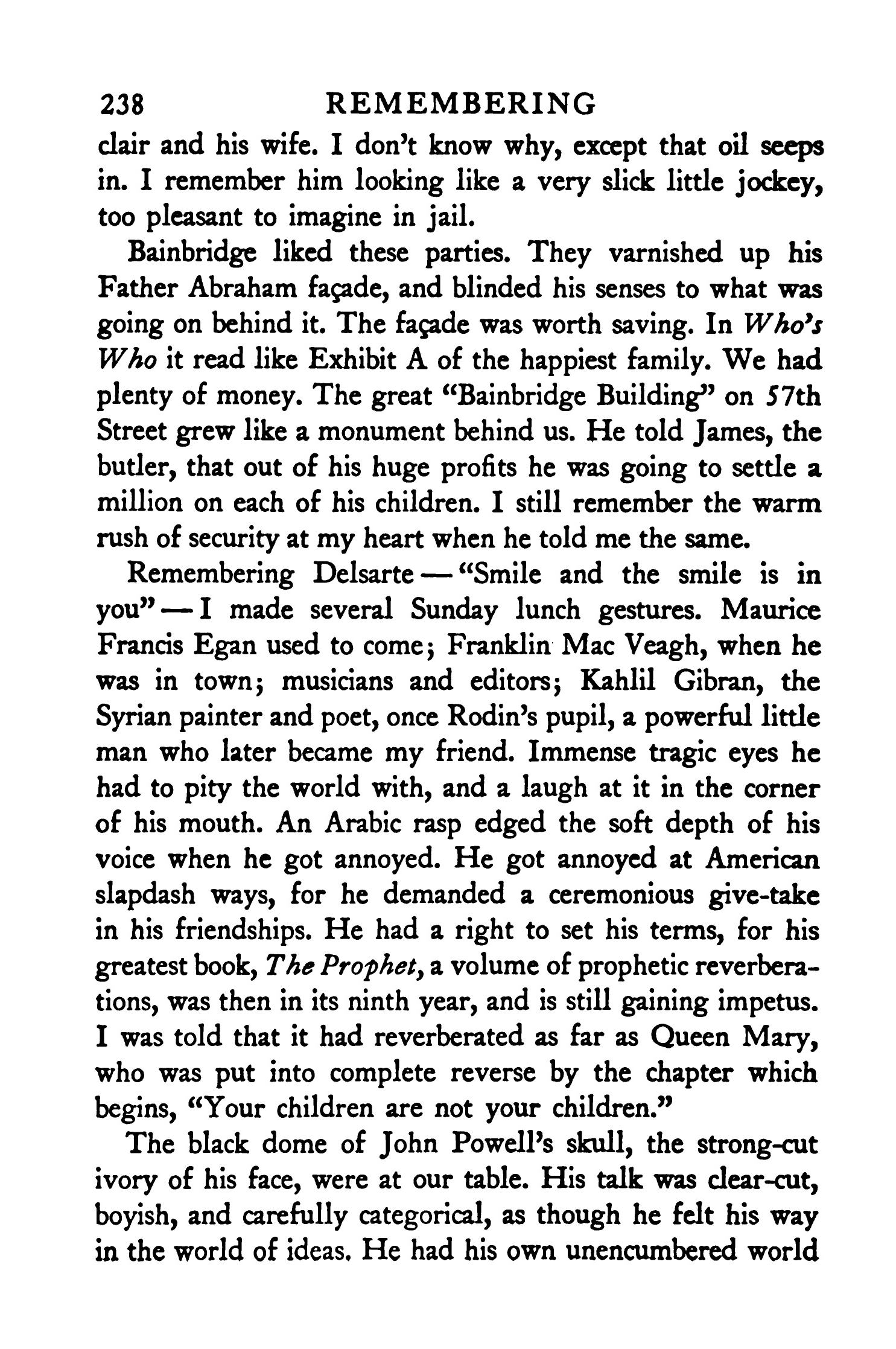
In 1922, Gibran drew a portrait of Mrs. Colby—a graphite on paper. In her 1938 memoir, Remembering, published in Boston, Nathalie Sedgwick Colby described Gibran as follows:
Kahlil Gibran, the Syrian painter and poet—once Rodin’s pupil—was a powerful little man who later became my friend. He had immense tragic eyes to pity the world with, and a laugh at it in the corner of his mouth. An Arabic rasp edged the soft depth of his voice when he grew annoyed. He disliked American slapdash ways, for he demanded a ceremonious give-and-take in his friendships. He had a right to set his terms, for his greatest book, The Prophet, a volume of prophetic reverberations, was then in its ninth year and still gaining momentum. I was told it had reverberated as far as Queen Mary, who was utterly swayed by the chapter that begins, “Your children are not your children.”
She also recalled Gibran’s deep immersion in his work:
He liked to stay unjostled in his studio, reading unpublished manuscripts in his white robes. The little smile the West put on the corner of his lips never once touched the prophetic blaze of his eyes.
❁
All Rights Reserved © Copyright Francesco Medici and Glen Kalem-Habib 2025