When Kahlil Gibran published The Prophet in New York in September 1923, he could scarcely have imagined that within two years it would already be crossing into European languages. This article traces the story of the two earliest European translations — German (1925) and French (1926) — and the remarkable individuals who made them.
By Francesco Medici · 13 April 2020
• ❧ KGC ❧ •
KAHLIL GIBRAN COLLECTIVE
By Francesco Medici · Kahlil Gibran Collective · 2020 · kahlilgibran.com
• ❧ KGC ❧ •
I
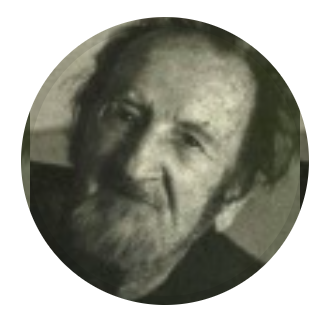
Baron Georg-Eduard Freiherr von Stietencron (Crissier, Switzerland, 1888 – Stuttgart, Germany, 1974), from an ancient noble family of Swedish origins, was an author, translator, inventor, and film merchant. His translation of The Prophet from the original English into German was in all likelihood the first ever to be published in any European language. It was released in 1925 in Munich under the title Der Prophet, in 800 numbered copies printed on special paper.
The project was managed by the prestigious Hyperion-Verlag, considered Germany's oldest bibliophile publishing house of deluxe and small-format illustrated editions. Hyperion was founded in 1906 by publisher and patron of the arts Hans von Weber (1872–1924), who significantly influenced German book art.
Unfortunately, only very few copies of Der Prophet have survived to this day, preserved in a handful of national libraries in Germany and Switzerland. There are no known traces of correspondence, documents, or contemporary reviews concerning the book. It has not been possible to verify whether Gibran or his publisher Alfred Knopf were aware of its existence, though this seems quite likely given the book's growing reputation in the years following its 1923 publication.
• ❧ KGC ❧ •
II
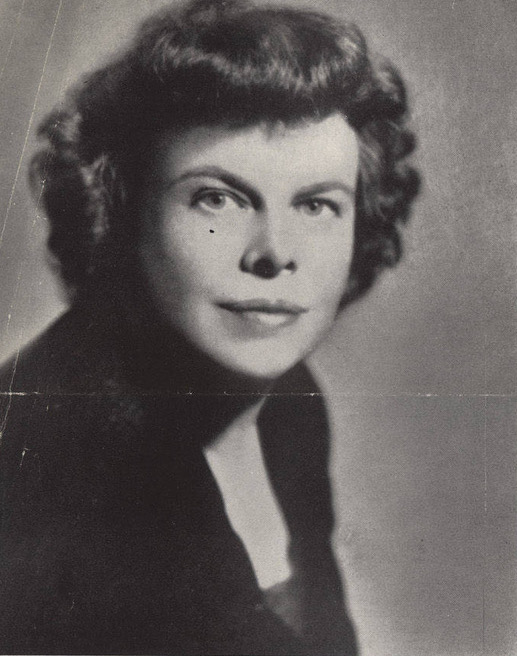
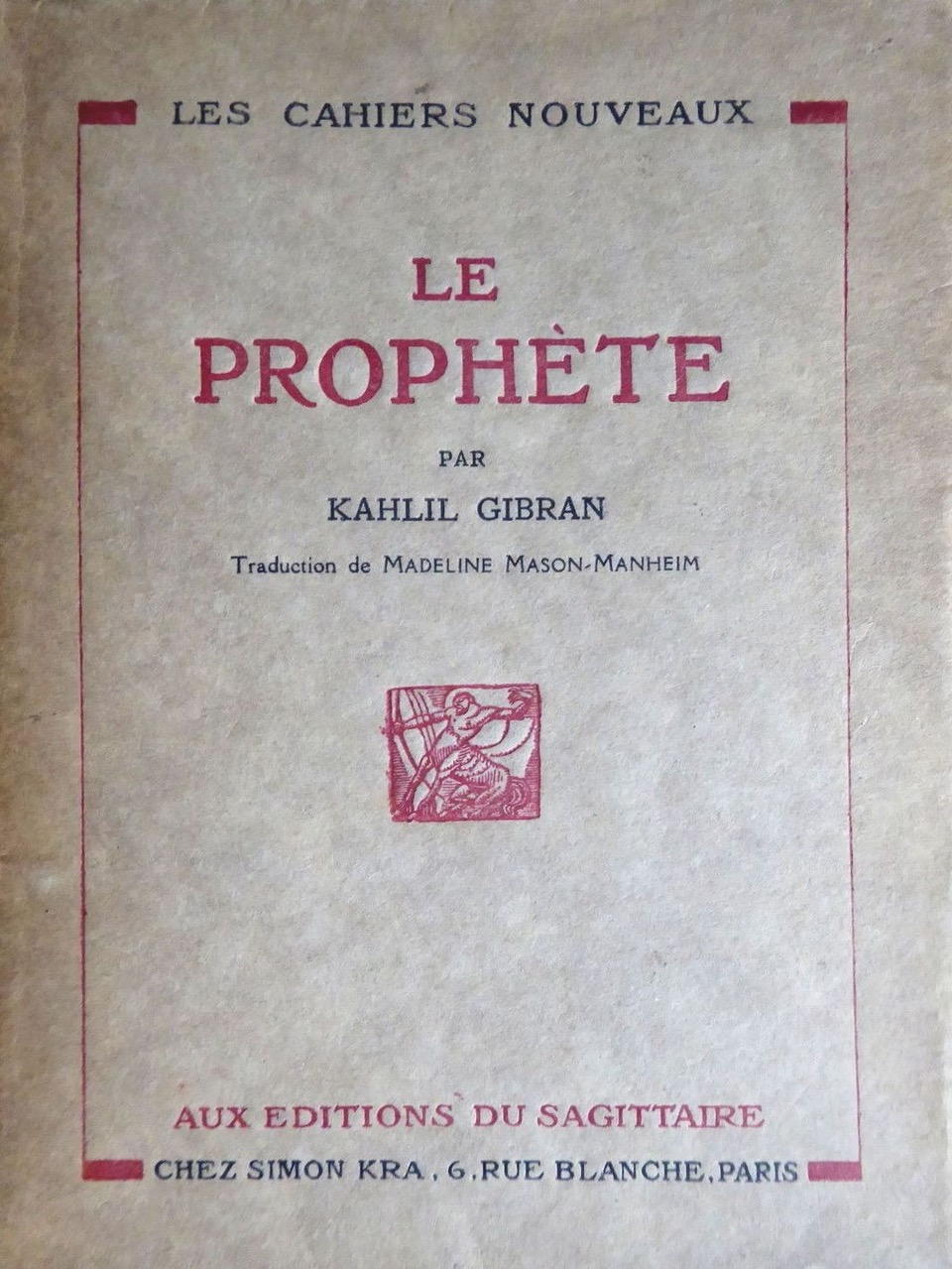
In 1926, just three years after the publication of The Prophet, a French translation appeared in Paris under the title Le prophète (Éditions du Sagittaire), translated by Madeline Mason-Manheim (1908–1990). Born in the United States, she spent much of her early life in England and France — the homes of her parents. Madeline, who also wrote under the pen name Tyler Mason, was the wife of artist Malcolm McKesson (1909–1999), and a renowned poet from her teens, as well as a critic, author, lecturer, and fine speaker on modern writers. She is known as the inventor of the so-called 'American' or 'Mason sonnet.'
English novelist and poet Thomas Hardy (1840–1928) and British physicist and writer Oliver Lodge (1851–1940) were among the first to recognise the unusual ability in her work. English novelist and playwright John Galsworthy (1867–1933) honoured her in London while he was president of PEN International, to which she was elected. In America, poet Edwin Arlington Robinson (1869–1935), Professor of English Literature at Harvard University George Lyman Kittredge (1860–1941), and Sterling Professor at Yale University Chauncey Brewster Tinker (1876–1963) all recognised the originality and quality of her poems.
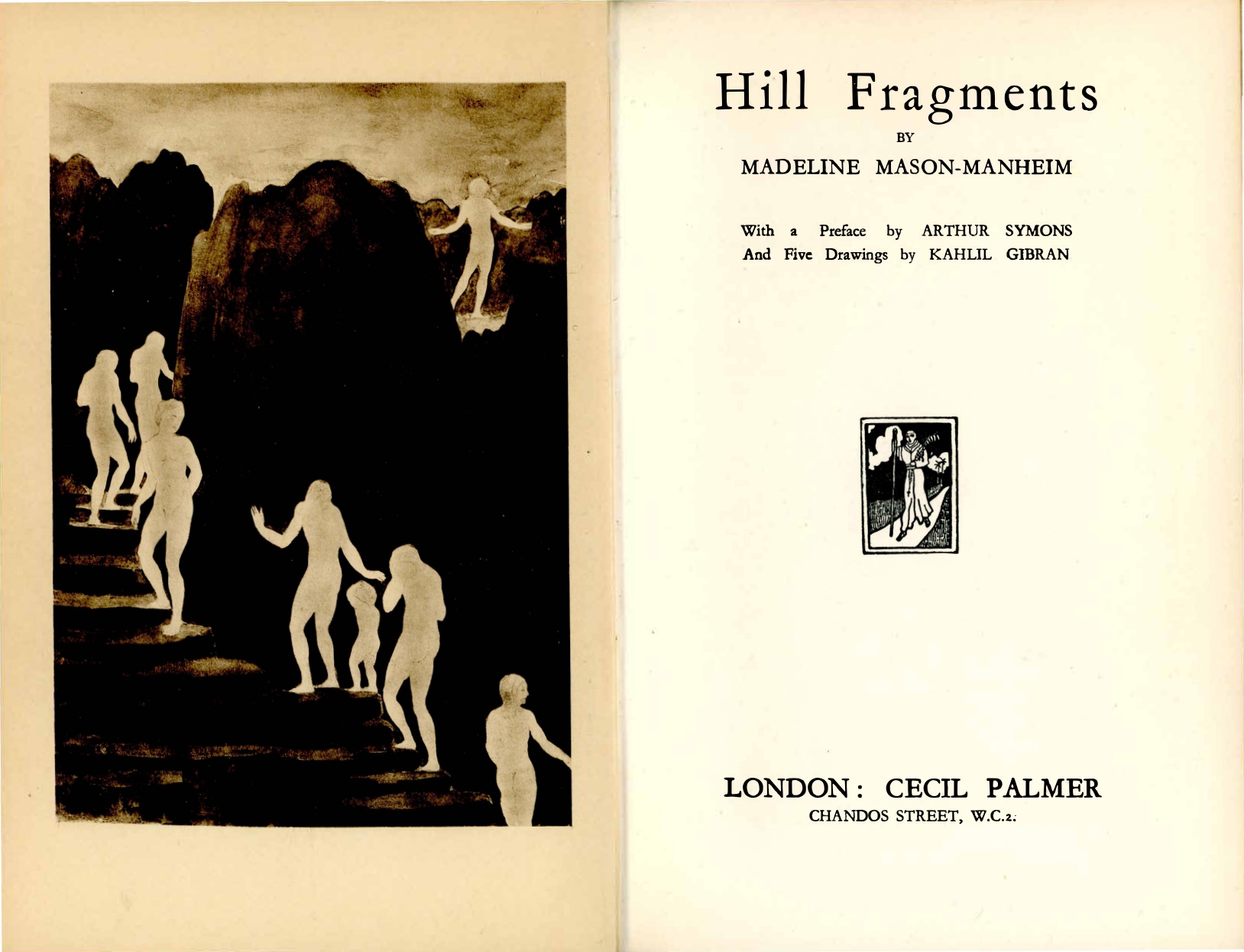
In the 1920s, Gibran drew a pencil portrait of Madeline in New York and she became one of his closest friends. In 1925 she published her poetry collection Hill Fragments, precisely illustrated with drawings by Gibran.
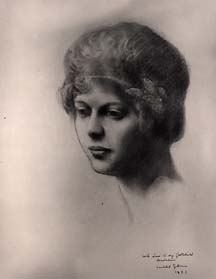
Madeline Mason-Manheim McKesson's original manuscripts, page proofs, and first editions are a permanent part of the Harvard College Library Collections.
❁
This article is based on an excerpt from the paper "Gibran's 'The Prophet' in All the Languages of the World", 5ème Rencontre Internationale Gibran, Institut du Monde Arabe, Paris, 3 October 2019, published in Lebanese American University — LAU, Beirut: Center for Lebanese Heritage, 2020, pp. 111–135. With acknowledgement to the George and Lisa Zakhem Kahlil Gibran Chair for Values and Peace at the University of Maryland: gibranchair.umd.edu.
All Rights Reserved © Copyright Francesco Medici 2020