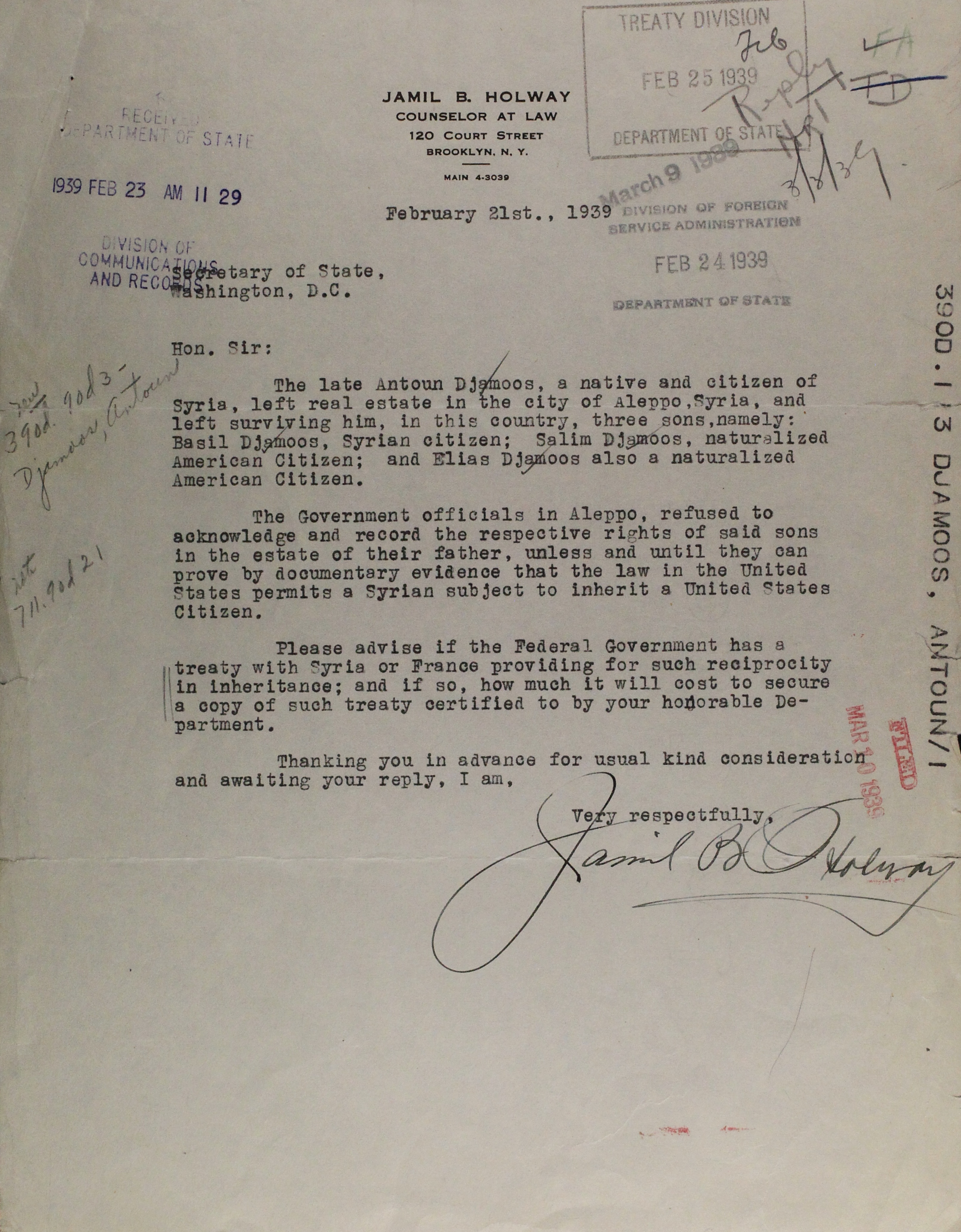
A Damascus-born lawyer, poet, and tireless advocate for Syrian immigrants in America — Jamil B. Holway stood at the margins of the Mahjar literary world, known to everyone, claimed by no one, and now almost entirely forgotten.
By Francesco Medici
• ❟ KGC ❟ •
KAHLIL GIBRAN COLLECTIVE
By Francesco Medici · Kahlil Gibran Collective · 2026 · kahlilgibran.com
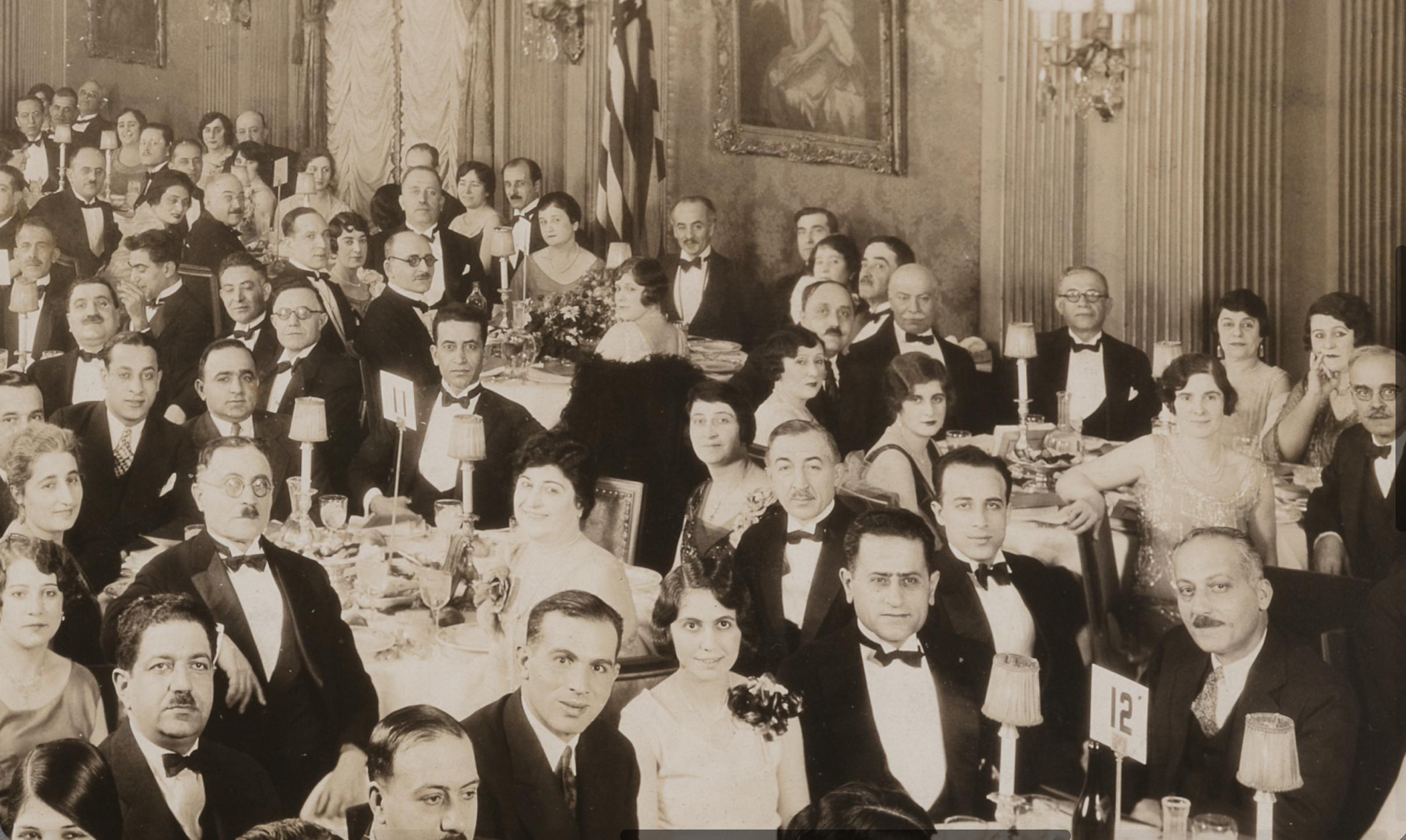
On January 5, 1929, a gala dinner was held at New York’s Hotel McAlpin to celebrate the twenty-fifth anniversary of the artistic and literary career of Kahlil Gibran (Ğubrān Ḫalīl Ğubrān, 1883–1931). Approximately two hundred guests attended the event. The guest of honor — who appears in the official photograph seated at the far end of the hall, directly beneath the painting hanging on the wall and to the right of the Stars and Stripes — listened with emotion to the tributes delivered by many prominent members of the Syrian-Lebanese community in the United States. Reporting on the occasion, the February 1929 issue of The Syrian World listed among the speakers that memorable evening a certain ‘Jamil P. Holway,’1 a name now largely forgotten but well known at the time to readers of Arabic-language newspapers and periodicals published in America. Some sources even described him as one of the most eminent Syrian émigré men of letters, although he operated outside Gibran’s close-knit literary circle.2
• ❟ KGC ❟ •
I
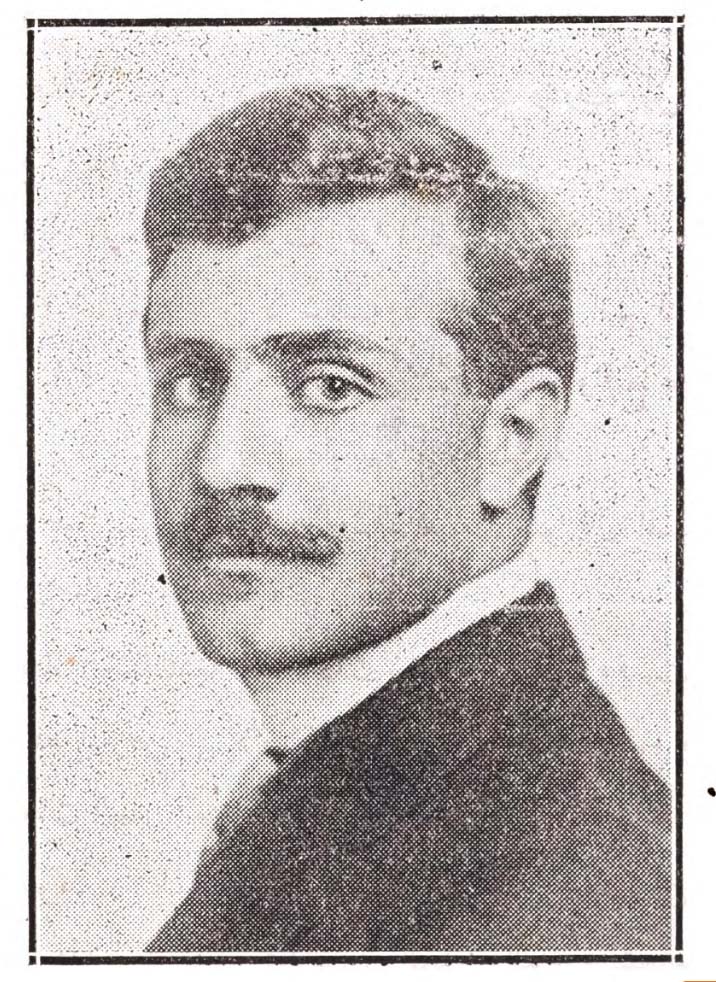
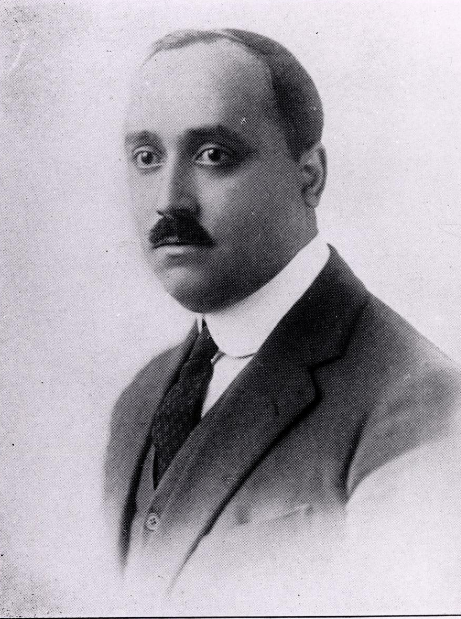
Ğamīl Buṭrus Ḥulwah was born in Damascus on 15 August 1883 into a prominent family whose roots in Syria stretched back several centuries. His father was Boutros Leon Holway (Buṭrus Līūn Ḥulwah) and his mother Zayna Hajjar (Zaynah Ḥaǧǧār). As a child, he travelled extensively with his father through various regions of Europe and the Americas before returning to Damascus, where he enrolled in the Greek Orthodox School. In 1903, after graduating in law from the Syrian Protestant College in Beirut (today’s American University of Beirut), he joined his parents in Chicago, Illinois, where they had previously settled. Upon his arrival in the United States, his name was registered as Jamil Boutros (Peter) Holway.
He later lived in several Southern states, including Missouri, Texas, Louisiana, and Tennessee. In 1907 he was appointed by the U.S. Federal Government as an interpreter and examiner in the Immigration Service. At the same time, his increasingly frequent contributions to the Arab-American press earned him growing popularity among his fellow immigrants. Despite his legal training, Holway’s literary passion is evident in many of his writings, including Strip Every Nation, in which he wrote:
Poetry is the widest, most wonderful, most comprehensive and effective means to convey knowledge and feeling because it touches the heart and penetrates the soul; then it goes to the mind, striking it with a magic wand, even though it may be made of stone.
With the discovery of poetry and poetic writing, man has discovered the beauty of his essence and his high position among creatures. In my opinion, the first to discover this beautiful art deserves to be honored more than the greatest discoverer or inventor, and more than the most sensible professional or industrialist.
The greatness of every nation stands on its men; and the men of the nation are poets, writers, politicians, inventors, those who excel in their crafts, financiers, and clergymen. And to me, the best, the most honorable, and the most knowledgeable of them all are the poets and writers. Strip every nation of its poets and writers, and you will see how much its honor and rank diminish.3
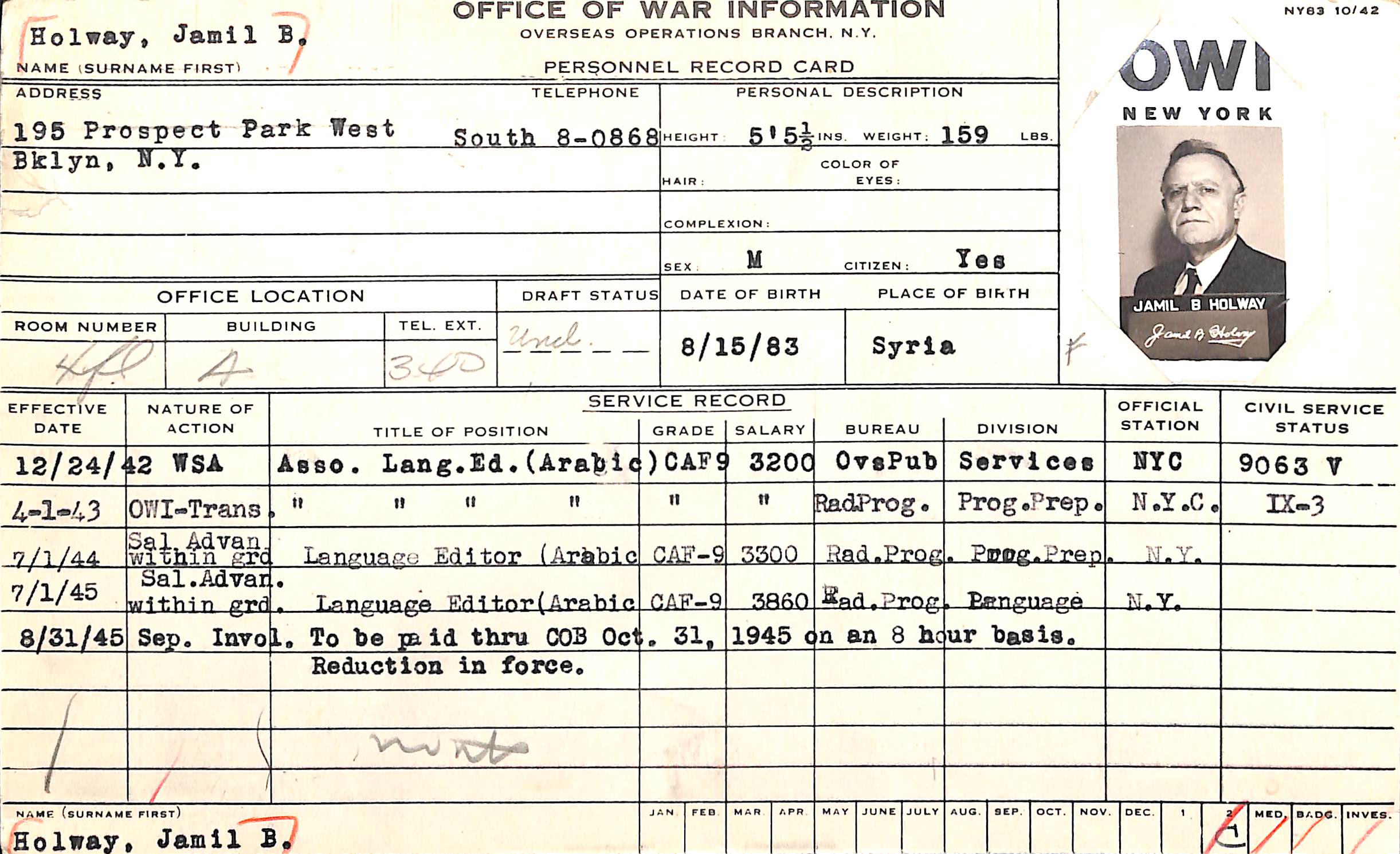
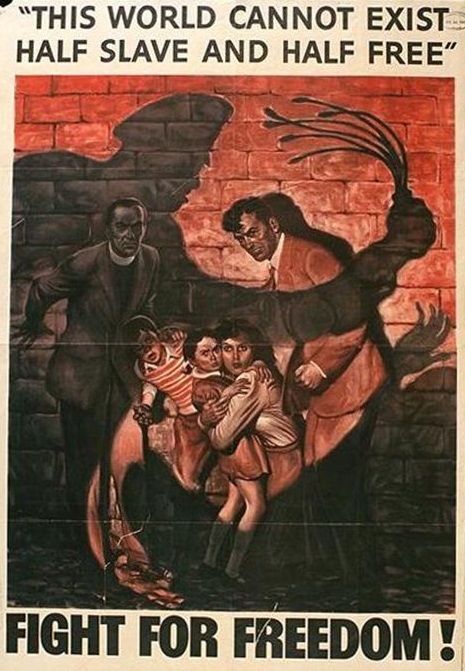
In 1918, after resigning from the Immigration Service, Holway began practicing law. On December 23 of the same year he married his compatriot Mary Hakim (Mārī Ḥakīm, 1893–1974), with whom he had four children: Josephine, Edmund, Floyd, and Theodore. In 1928 he moved with his family to Brooklyn, New York, where he remained until his death from a heart attack on the evening of Friday, 15 February 1946, at the age of sixty-three. During the Second World War he worked in the “Fight for Freedom” campaign of the U.S. Office of War Information. He was laid to rest at Green-Wood Cemetery.
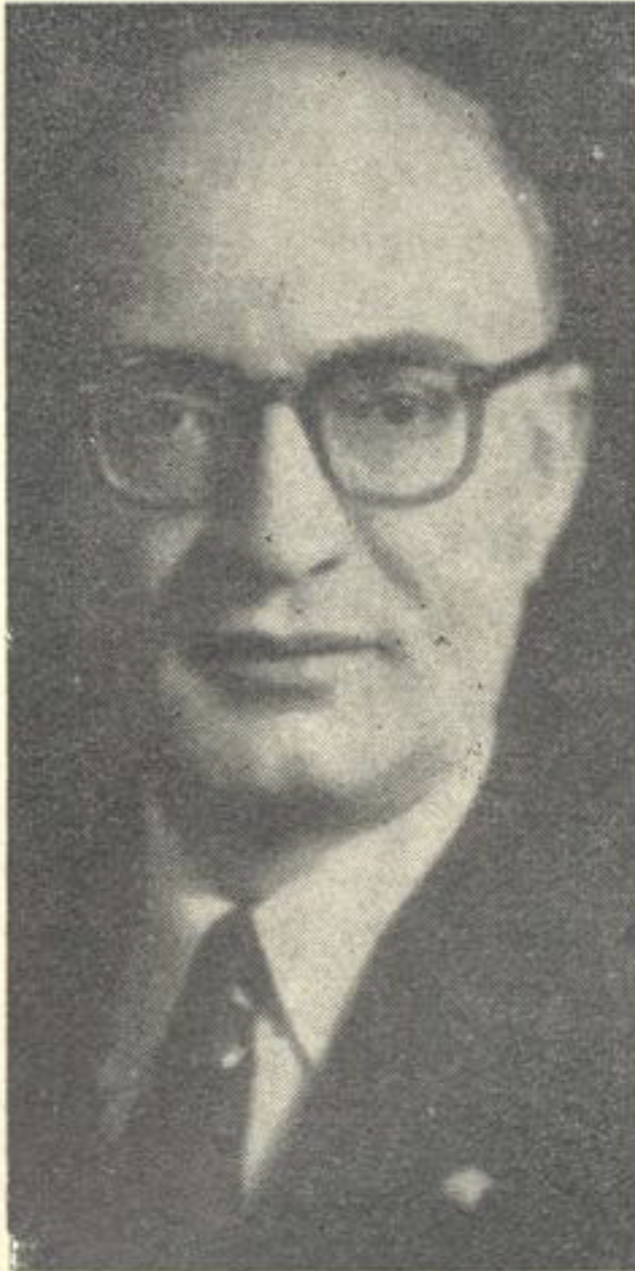
Holway was not a full-time poet; rather, he was an amateur and relatively obscure literary figure. Nevertheless, he distinguished himself through his broad culture, profound learning, and rich vocabulary. Despite the abundance of his literary output, he showed little interest in collecting his poems into a volume and publishing them during his lifetime. Consequently, he left behind neither a book nor a collected edition of his verse, which remained scattered throughout Arab-American newspapers and magazines. The Mahjar Damascene writer George Saidah (Ǧūrǧ Ṣaydaḥ, 1892–1978) described him as follows:
He was among the early immigrants who had become integrated into the American environment. His profession exhausted him, so he found relief in composing poetry. He generously offered poetic pieces to daily newspapers and took charge of organizing and introducing community celebrations.
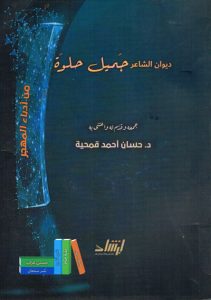
In 2021, a posthumous collection of his poetry was published in Damascus under the title Dīwān al-Šā’ir Ğamīl Ḥulwah, with a foreword by Dr. Ḥassān Aḥmad Qamḥiyyah.4 Years earlier, two of his poems had already been included in the anthology Grape Leaves,5 translated from Arabic into English by George D. Selim,6 who once described him in the following terms:
A man of a clearly spiritual inclination, to a degree not found among his fellow Mahjar writers; this mystical tendency manifested itself frequently in his poetry. He was a skillful writer who crafted articles in an elegant and accessible style after careful study and understanding of the subject. Moreover, he was a successful lawyer who defended members of his community both individually and collectively. According to those who knew him, his success in litigation was guaranteed by his intelligence, competence, and integrity.
• ❟ KGC ❟ •
II
The first of the poems translated by Selim, under the title Satan, is a bitter reflection on the madness of war and the brutality of humankind:
— Jamil B. Holway —
Satan came to me in my dream
desirous to dispute with me.
With his frightful horns and flaming eyes
he got close to me.
“Go away!” I said, “Beat it, damn you!
Don’t disturb my thoughts.”
“I came to entertain you,” he said,
“with my knowledge, skill, and experience.
Answer me! Who are you?”
“One of the sages of the earth,” I said,
“Or haven’t you heard of my fame?
I have filled the world with poetry
Won’t you softly murmur my poems in hell?”
He burst out laughing
at my talk in surprise and scorn.
“Is there hope for wisdom on earth,
or for goodness from its evil people?
If people were just
they would exalt my value in their hearts.
When God created them,
He knew that they would disobey Him forever.
He built them hell,
and chose me to punish them and take revenge.
It’s because of them that He threw me in the abyss,
and I lost my might, authority, and power.
Between them and my Lord I was the victim.
Woe unto them!
The fire of hell did not frighten them,
nor did they learn from my fall.
They persisted in their doom,
disturbing God’s peace and mine,
and my patience.
Since they erected hell among themselves
my home is vacant of devils.
They all reside in people’s souls,
striving for evil and harm.
Don’t you see them
making servants of fuel and wind,
flying in space like birds,
hurling fire at mankind,
heedless of harm and destruction?
Don’t you see them on earth
surging and agitated like lions and leopards?
Don’t you see them
making the whales captives,
causing death to rage,
and the interior of the seas to tremble?
How could Moses think
that the Lord created man
— from the very beginning — in His image?
I die of shame
when they say that they are my followers.”
In the intensity of my anger
I struck Satan for despising men.
But when I woke up
and my eyes wandered over the newspaper,
and saw life a torrent of fire
in a hell of horrors and dangers, I said:
“Contentious though they might be
Satan’s words are true.”
The second poem, translated under the title Throbbings, was later included in the three-volume series The New Anthology of American Poetry:7
— Jamil B. Holway —
Zaynab8 complained against me
to the judge of love.
“He has sly eyes,” she told him,
“which roam around me
to devour my beauty.
Judge of love!
I am not safe anymore.
“I think his eyes are two bees
raiding the honey
which sweetens my lips.
I see them as two eagles
hovering in space,
descending to snatch me.
I think, and from my fear,
I think strange things.
God knows how much I suffer from my thoughts.
“He invaded me with his eyes
and, as if this weren’t enough,
he tried to lower my standing among people.
Hypocritically, he said
that I have stolen my beauty from the universe,
and that it was not created naturally in me.
That I have plundered the morning for a face,
the dusk for hair,
uniting both in me.
That from the gardens
I have stolen the flowers for cheeks
— my cheeks are rosy.
That I have covered my neck with pure snow,
and that my eyes are tinted with narcissus.
“When my voice enchanted him
he denied it, and said:
‘It’s a nightingale singing in the garden.’
With sword-like glances I struck him,
he said, and in his deep-red blood
I dyed my finger tips
and in his poems he chanted alluding to me.
So people said:
‘His meanings are necklaces of pearls.’
Lord of verdicts!
Administer your justice between us.
Enough of his straying in love.
I’ve had enough!”
When the time of complaint was over,
the judge asked me:
“What is your answer,
you who are so passionately in love?”
I said:
“I find … that I am a criminal.
My insanity may not be deferred.
She has dispossessed me
of mind and heart.”
• ❟ KGC ❟ •
III
Holway was not affiliated with any particular literary association and did not join Gibran’s Pen League - also known simply as “Arrabitah”. Nevertheless, he published in its newspaper As-Sayeh (al-Sā’iḥ in Arabic, meaning “The Traveler,” 1912–1958), founded in New York and edited by his friend Abdulmassih Haddad (‘Abd al-Masīḥ Ḥaddād, 1890–1963), who remembered him this way:
He was a poet distinguished among poets. He composed with such rapidity that he could recite his verses without hesitation. He was overflowing with inspiration; his poetry flowed like a waterfall, and he recited it in tones resembling the roar of cascading waters. He was an accomplished poet whose mount was a generous natural talent, and whose goal was Arabic literature, to which he was passionately devoted despite his profound mastery of the English language and his deep immersion in its literature.
He also distinguished himself as a translator, both refined and prolific. He achieved an exceptional command of English, alongside a deep mastery of Arabic grammar, morphology, and literary tradition. Moreover, he possessed extensive knowledge of English literature, particularly its earlier forms dating back to the sixteenth and seventeenth centuries. This broad cultural background and rich erudition enabled him to translate many masterpieces of English-language poetry from both British and American traditions. This Mahjar poet succeeded in rendering these works into elegant Arabic verse with rare skill. It appears that no other Mahjar poet besides Holway translated such a large number of foreign poems; the total number of his Arabic renderings exceeds fifty-seven, spanning works from the sixteenth century to the early twentieth century.
• ❟ KGC ❟ •
IV
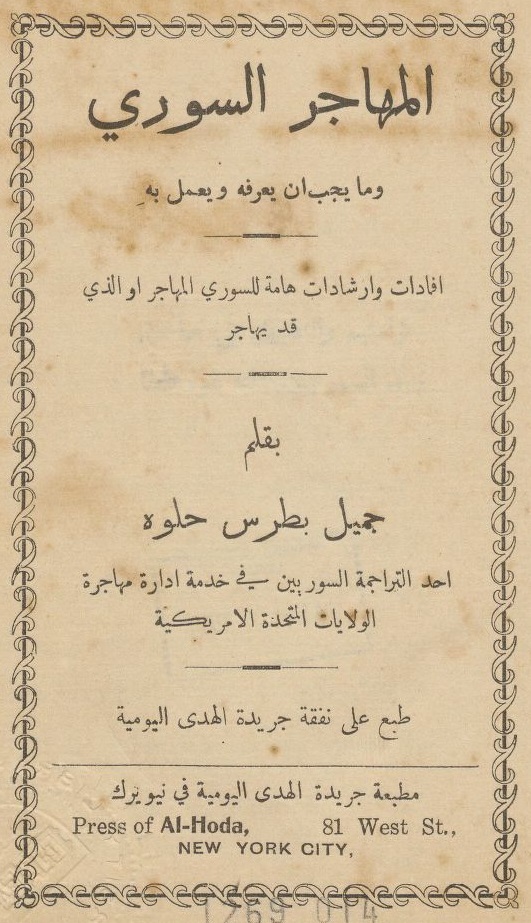
Holway’s reputation as an author is not attributable solely to his poetry, translations, and journalistic contributions, but also to his only book published during his lifetime, al-Muhāǧir al-Sūrī (“The Syrian Emigrant”), an Arabic booklet released in 1909 in New York with the revealing subtitle “What He Must Know and Do.”9 It is a practical handbook, written for all those who, coming from the then Ottoman province of Greater Syria (particularly present-day Lebanon, Syria, and Palestine), set sail for America. The aim of the booklet was to inform readers about their rights in a foreign land, offer a series of practical recommendations, and provide specific guidance on American customs and social norms.10
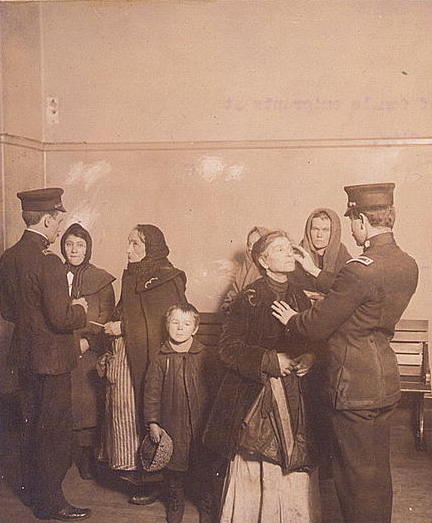
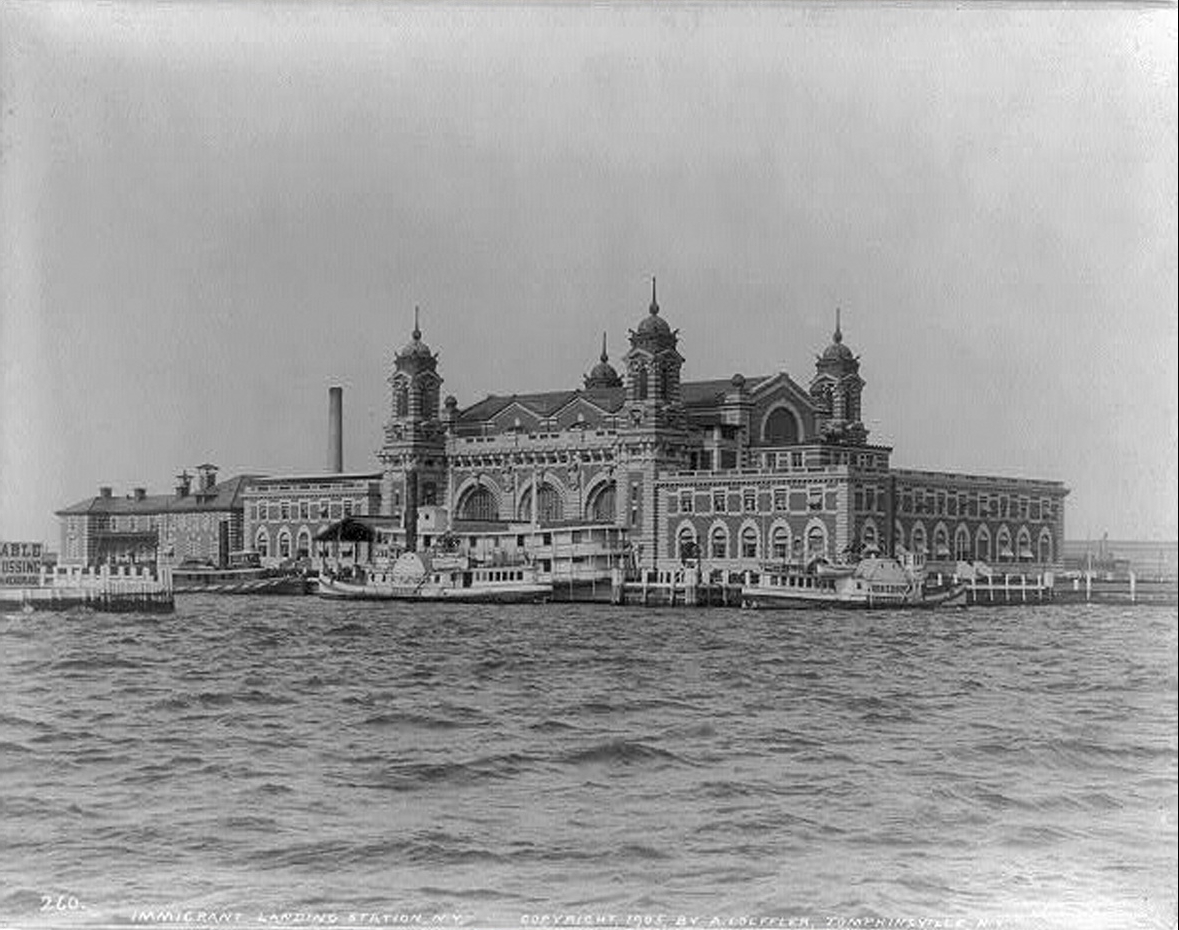
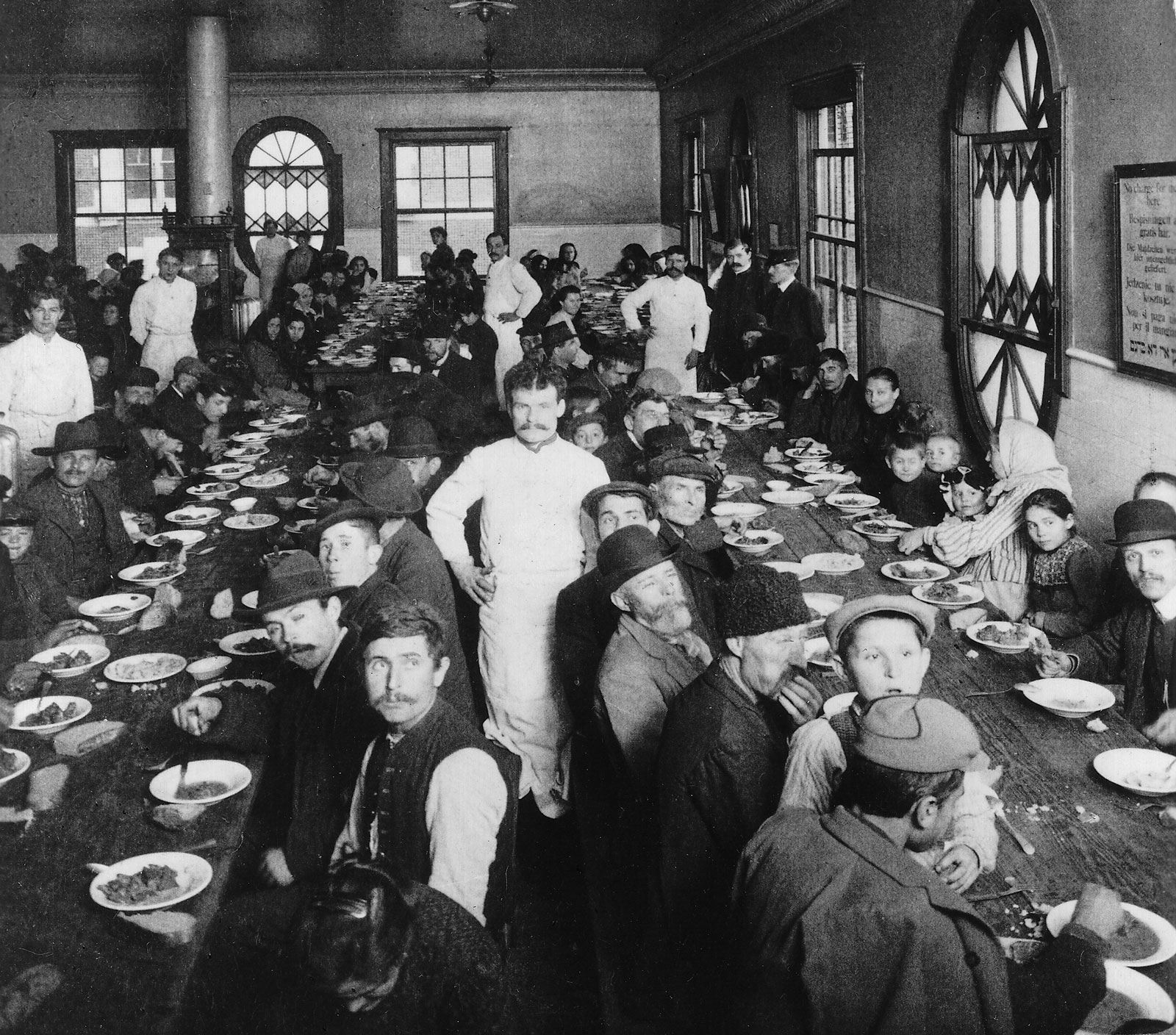
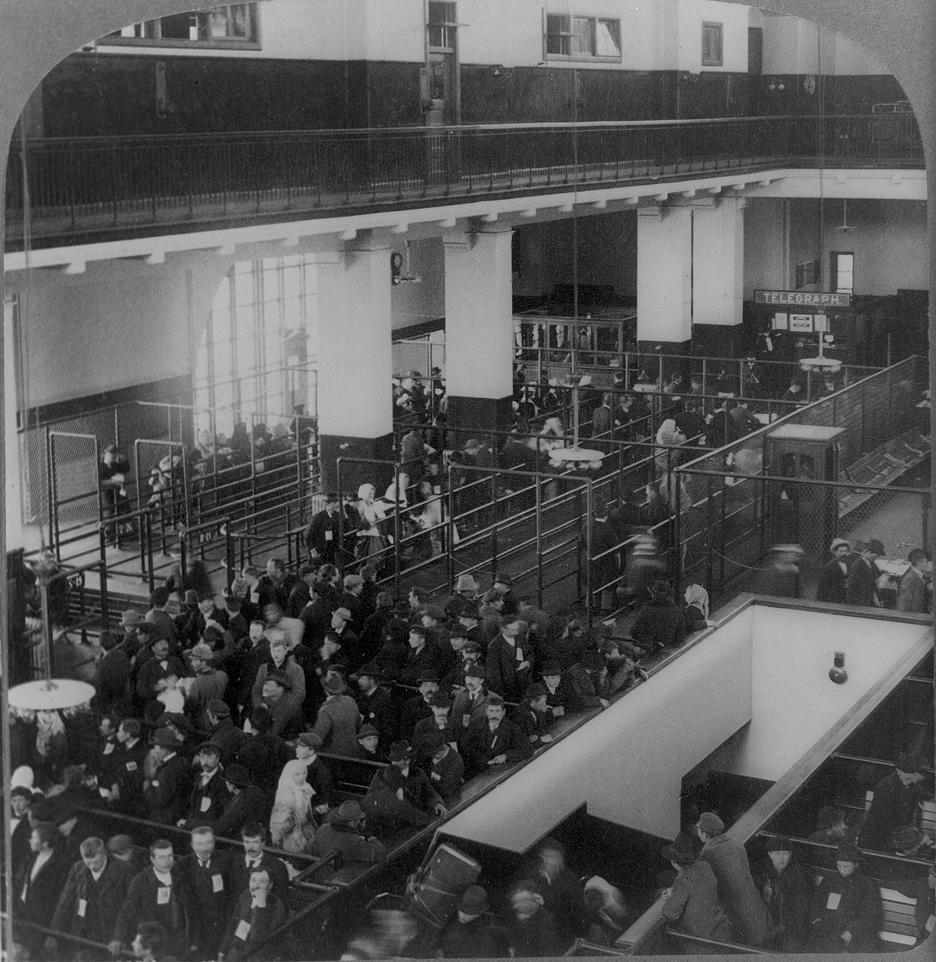
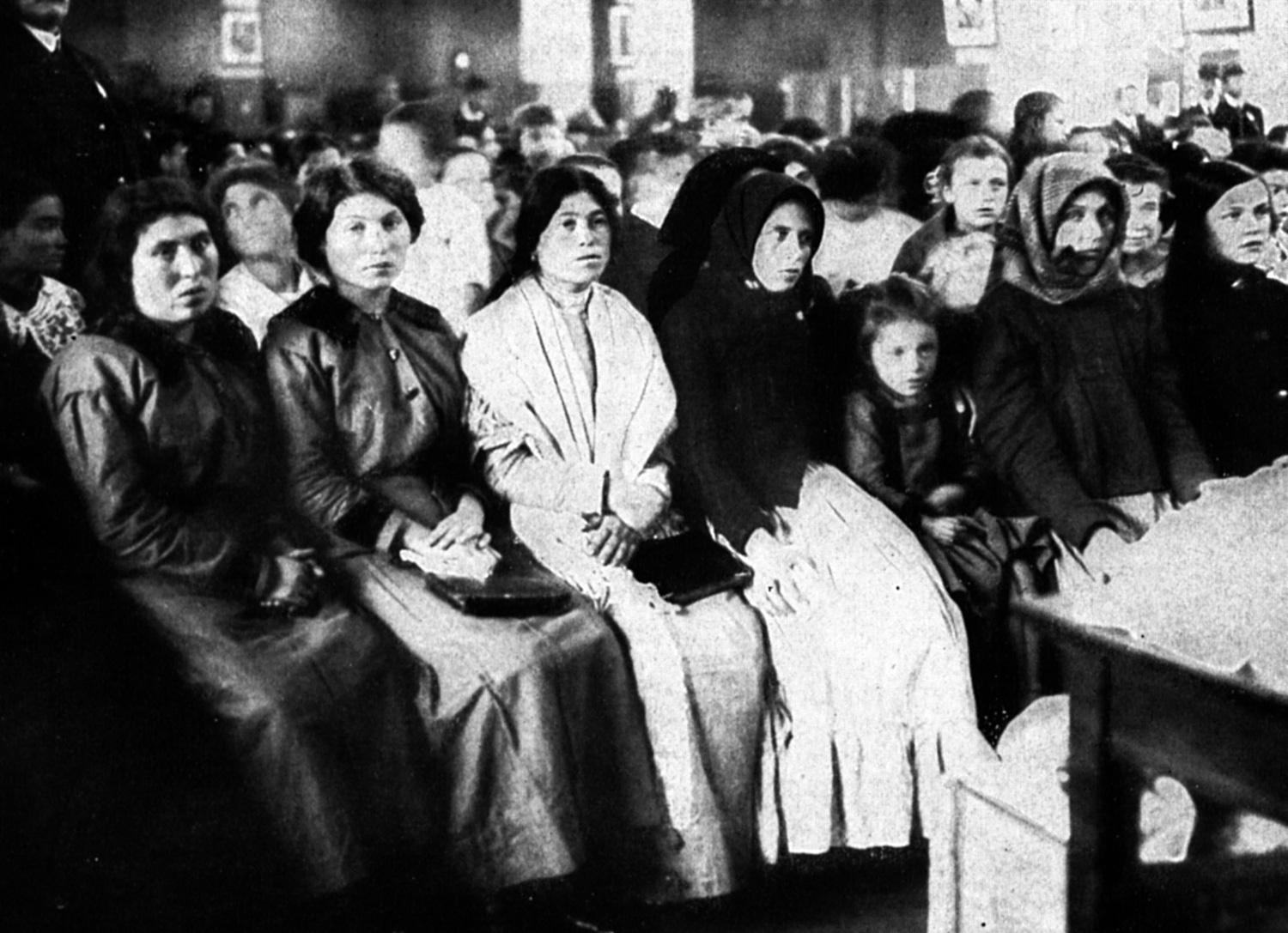
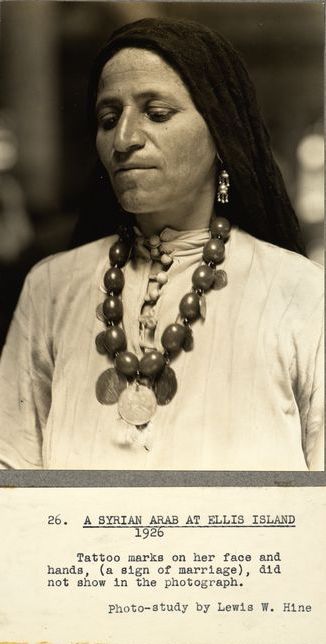
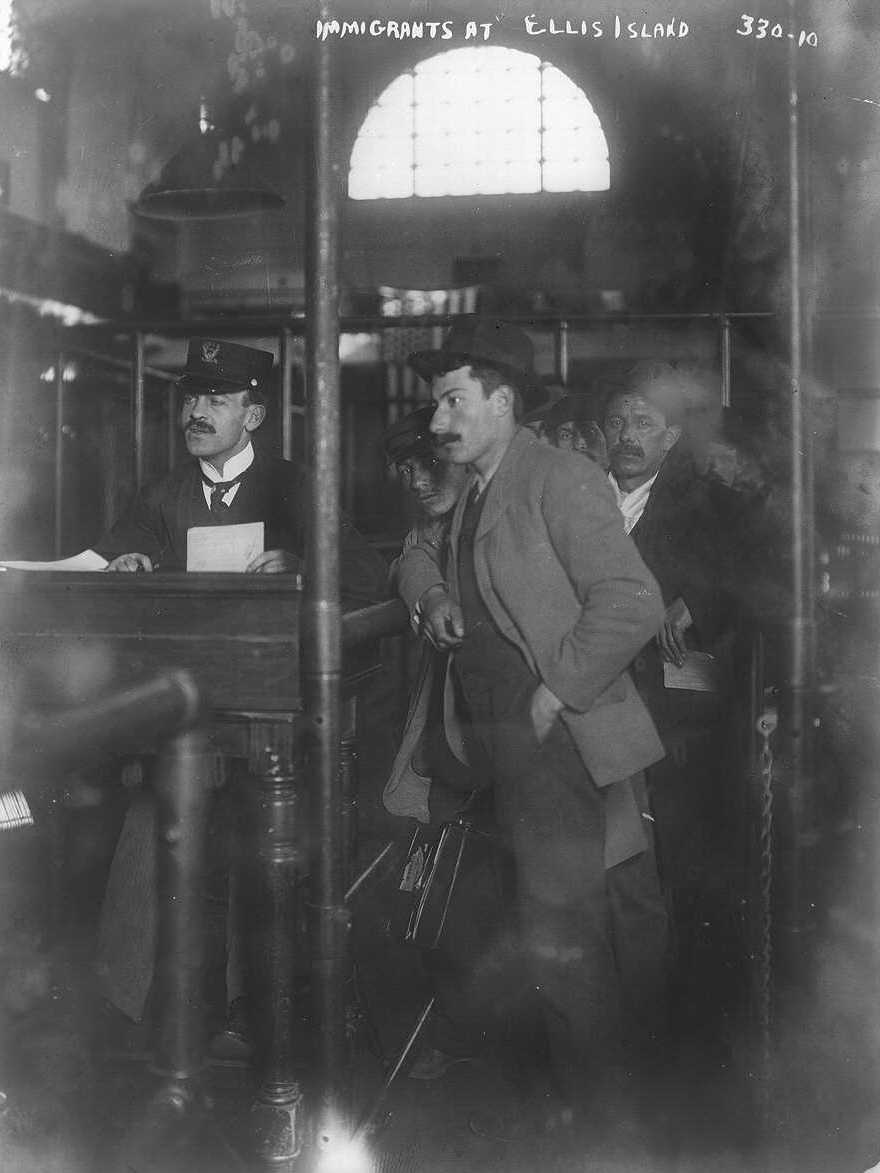
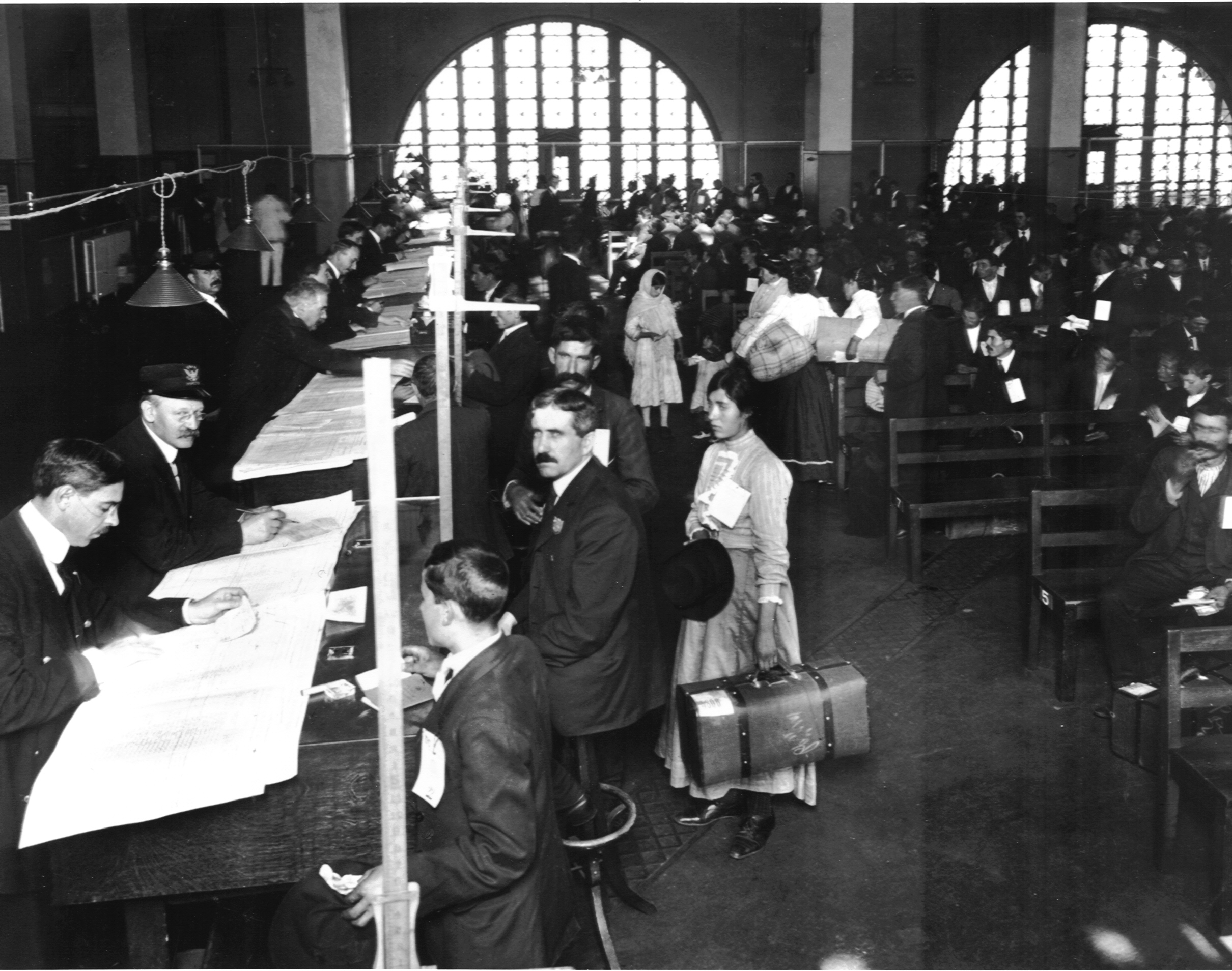
United States immigration laws, then as now, were highly restrictive. Upon arrival at Ellis Island in New York Bay, migrants were subjected to strict inspections. Selection followed rigid criteria, primarily concerning ethnic-racial background and religious affiliation. In this regard, Holway urged Syrians to assert firmly before American officials their Semitic origins, or even Phoenician heritage, in order to be classified as members of the “privileged white race.” According to the author, many of the rejections that occurred at the infamous “Island of Tears” were due both to the carelessness of Syrian and Lebanese migrants, often unaware of their own lineage and the regulations they were expected to follow, and to the ignorance of local officials, frequently unable to distinguish between an Arab and a Turk, or between a Muslim and a Christian.
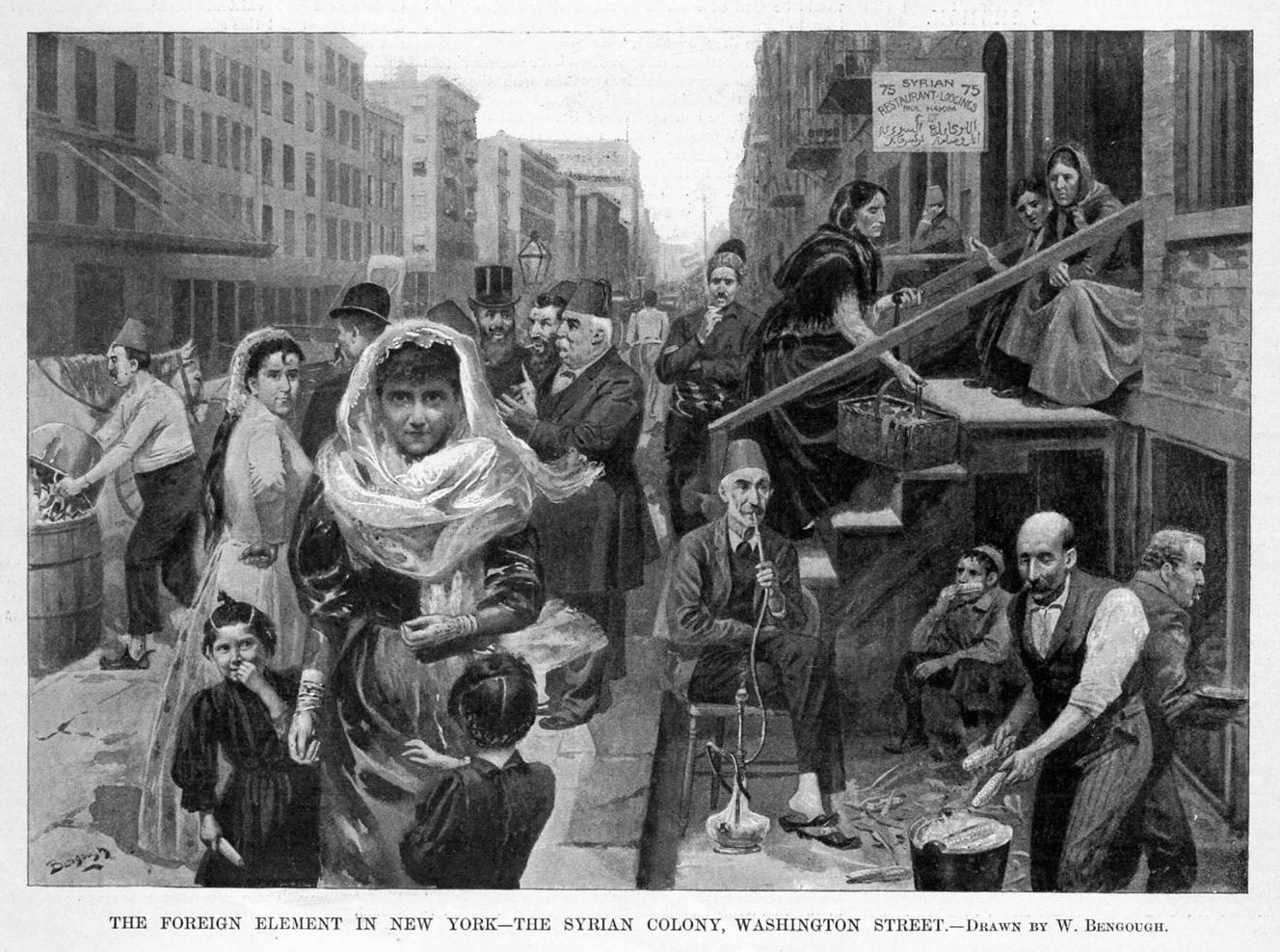
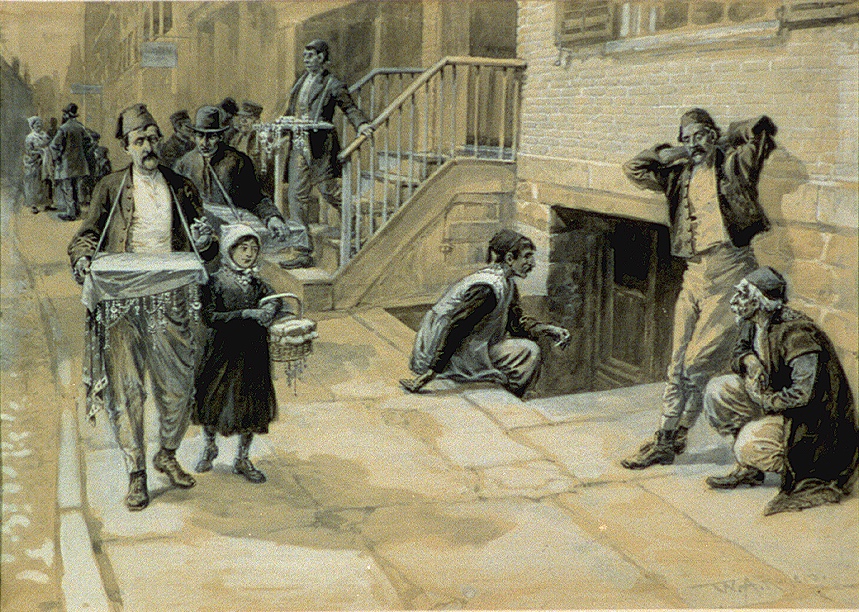
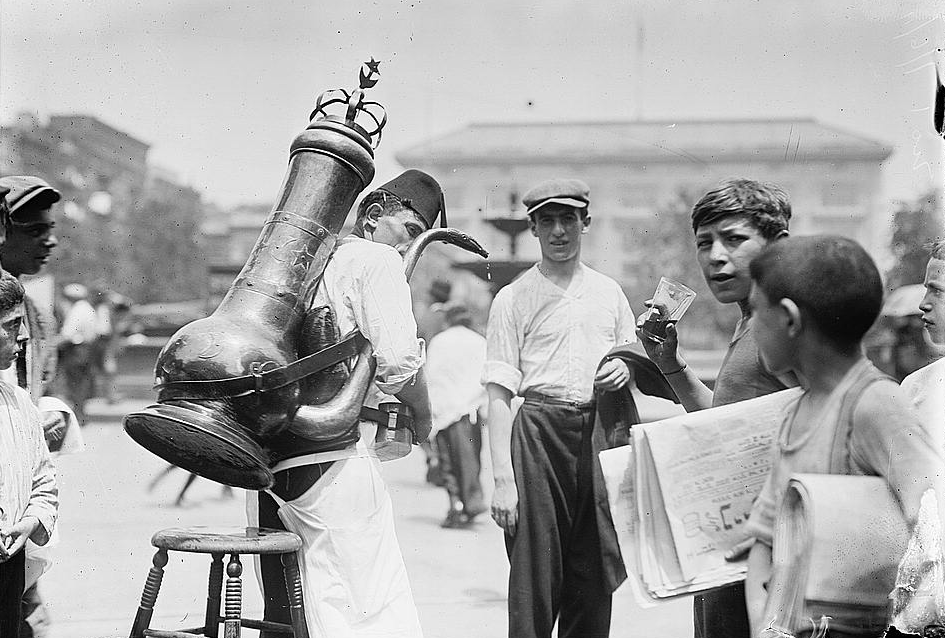
In his booklet, Holway advises Syrians to embark in Beirut, recommending that they obtain all necessary documents along with sufficient funds to cover duties, taxes, and permits, as well as exemption from conscription. Migrants were also warned against fraudsters, swindlers, and various opportunists lurking at every port of call — Naples, Marseille, Boulogne-sur-Mer, Rotterdam — and throughout the crossings of both the Mediterranean and the Atlantic. Arriving in the United States without money meant being labelled “parasites” and immediately sent back at the expense of the shipping companies.
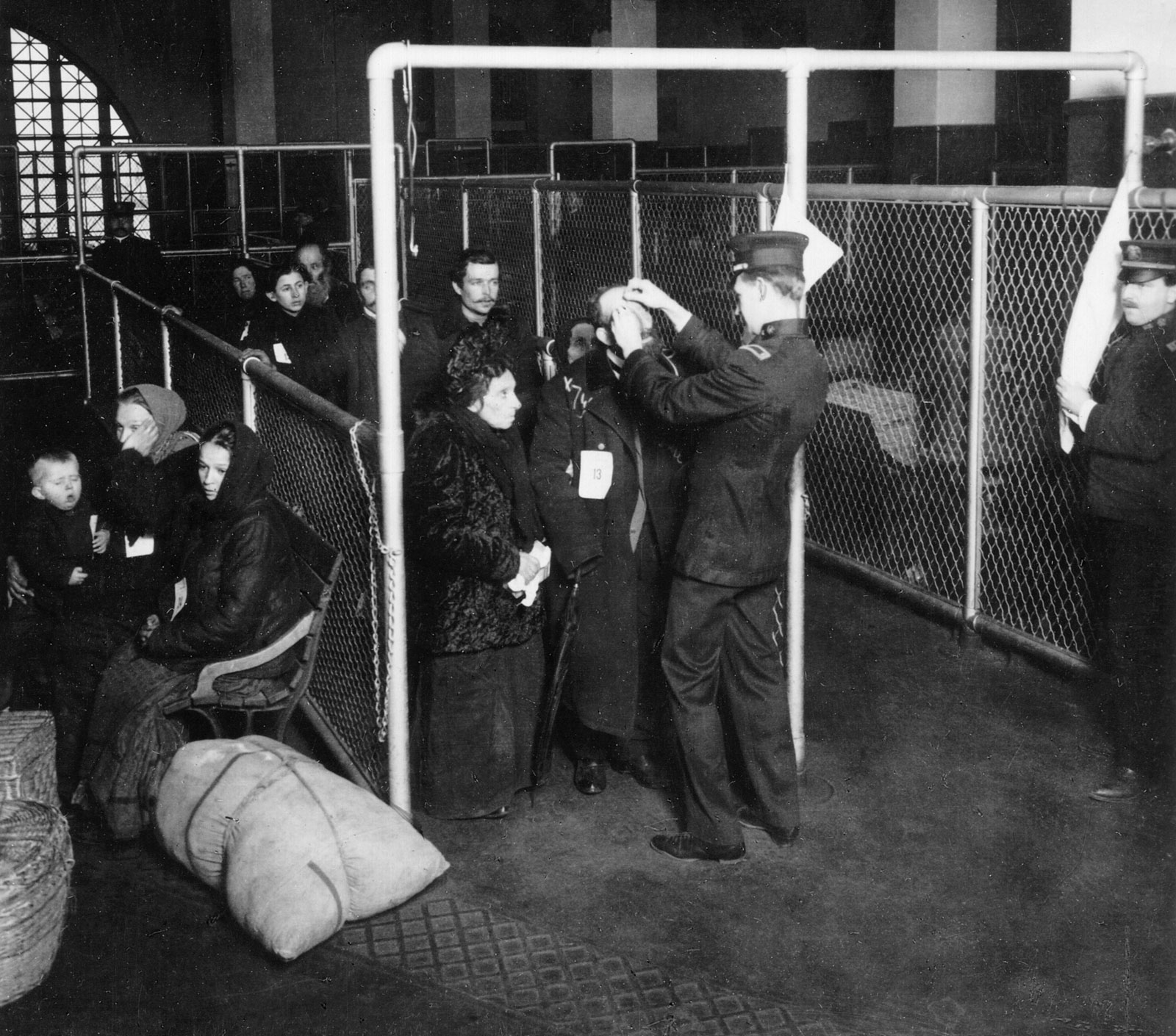
Health prevention was also a necessary condition for disembarkation, and it was the steamship crews who subjected migrants to continuous fumigation throughout the voyage. Holway describes in detail the medical inspections they had to undergo upon arrival at Ellis Island and provides a careful list of the diseases and infections against which U.S. immigration law was particularly stringent, with special attention to trachoma, an inflammatory eye disease then widespread in Africa and the Middle East and highly contagious.
 |
 |
 |
 |
At the beginning of the twentieth century, securing entry into the United States was only the beginning of an even more difficult phase for migrants: the process of adaptation and the complex path toward citizenship. How could one prove oneself a “worthy” immigrant? Holway recounts several illustrative anecdotes, mentioning both successful and unfortunate cases, and concluding that anyone seeking naturalisation had to construct an impeccable identity overseas, primarily through honest and virtuous conduct. Arriving before U.S. authorities with a letter of reference was undoubtedly one of the most effective means of passing inspections. This explains why al-Muhāǧir al-Sūrī also includes a substantial section listing addresses and telephone numbers of various firms, factories, and businesses then operating in New York and other American cities.
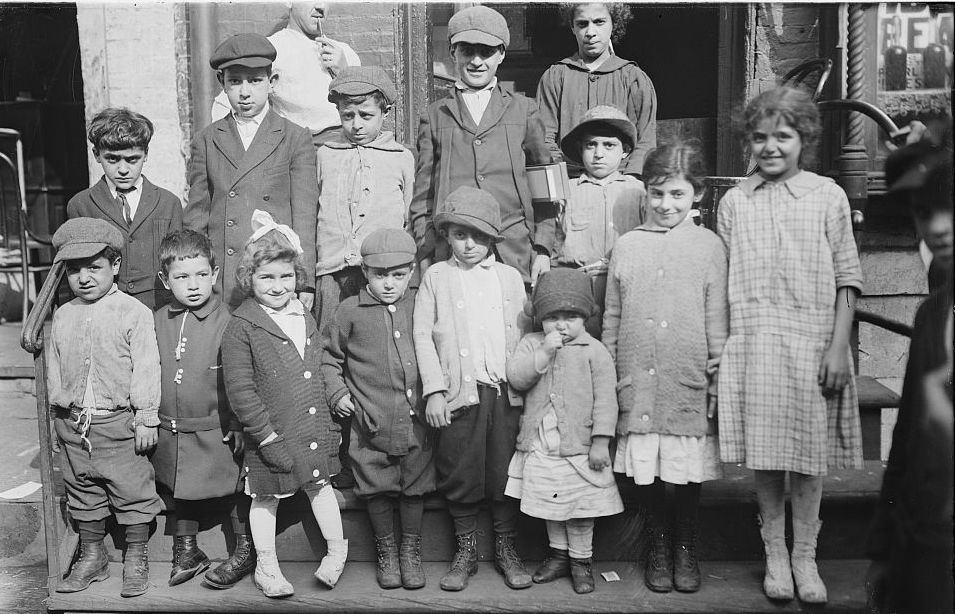
Arabic-speaking immigrants, like all others, were required during their first three years of residence to remain prepared for visits by officials tasked with inspecting their housing conditions and verifying their living and working standards. After this “probationary period,” a further five years of governmental supervision awaited those applying for U.S. citizenship. Adults, for their part, were strongly encouraged to attend evening courses in English literacy and vocational training. Holway, well aware of a certain American Puritan mentality, also warned Syrians to avoid disreputable venues, clubs, and immoral activities; to remember that Syrian-American associations, although mostly charitable and benevolent, were also under constant surveillance; and to be aware that frequent return trips to the homeland would almost certainly arouse suspicion among the authorities.
• ❟ KGC ❟ •
V
Less than twenty years later, in his heartfelt open letter addressed to the second generation of Syrian Americans, another writer would express — albeit in the form of prose poetry — the same feelings of pride in his origins and faith in his people that Holway had voiced in al-Muhāǧir al-Sūrī. The poem To Young Americans of Syrian Origin11 remains one of Gibran’s most celebrated writings, and it is still strikingly relevant today for the profound message of universal brotherhood it conveys, a message that transcends religious and identity-based divisions and factions.
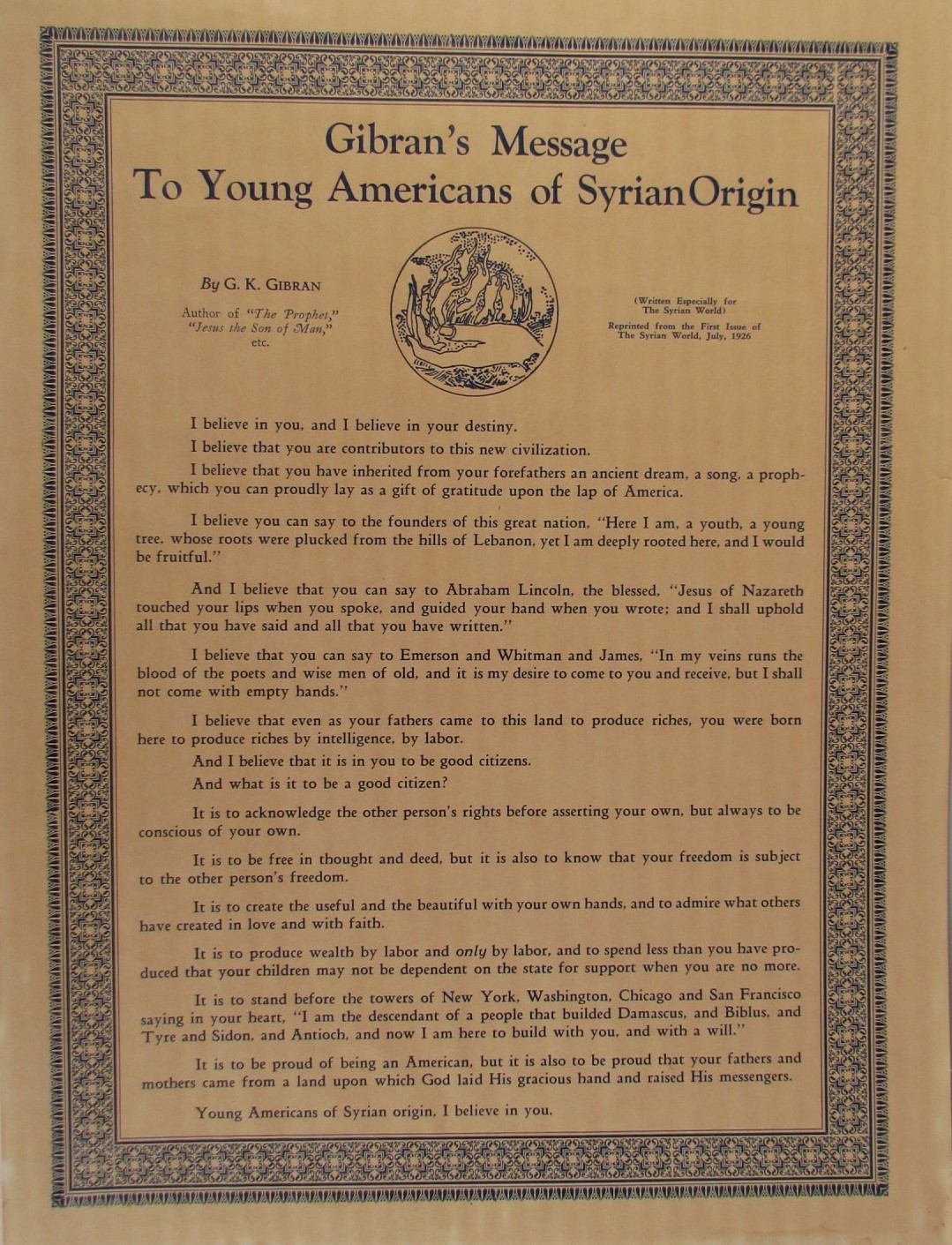
— Kahlil Gibran —
The Syrian World, Vol. I, No. 1, July 1926
I believe in you, and I believe in your destiny.
I believe that you are contributors to this new civilization.
I believe that you have inherited from your forefathers an ancient dream, a song, a prophecy, which you can proudly lay as a gift of gratitude upon the lap of America.
I believe that you can say to the founders of this great nation, “Here I am, a youth, a young tree, whose roots were plucked from the hills of Lebanon, yet I am deeply rooted here, and I would be fruitful.”
And I believe that you can say to Abraham Lincoln, the blessed, “Jesus of Nazareth touched your lips when you spoke, and guided your hand when you wrote; and I shall uphold all that you have said and all that you have written.”
I believe that you can say to Emerson and Whitman and James, “In my veins runs the blood of the poets and wise men of old, and it is my desire to come to you and receive, but I shall not come with empty hands.”
I believe that even as your fathers came to this land to produce riches, you were born here to produce riches by intelligence, by labor.
I believe that it is in you to be good citizens.
And what is it to be a good citizen?
It is to acknowledge the other person’s rights before asserting your own, but always to be conscious of your own.
It is to be free in thought and deed, but it is also to know that your freedom is subject to the other person’s freedom.
It is to create the useful and the beautiful with your own hands, and to admire what others have created in love and with faith.
It is to produce wealth by labor and only by labor, and to spend less than you have produced that your children may not be dependent on the state for support when you are no more.
It is to stand before the towers of New York and Washington, Chicago and San Francisco saying in your hearts, “I am the descendant of a people that builded Damascus and Byblos, and Tyre and Sidon and Antioch, and now I am here to build with you, and with a will.”
It is to be proud of being an American, but it is also to be proud that your fathers and mothers came from a land upon which God laid His gracious hand and raised His messengers.
Young Americans of Syrian origin, I believe in you.
❁
1 “Gibran Honored at a Testimonial Dinner: Syrians Show Pride in Writer Who Has Brought Honor to Race,” The Syrian World, Vol. III, No. 8, February 1929, p. 52. ↩
2 Cf. Josette Bouvier Selim, Jamil B. Holway (1883–1946): An Arab-American Poet, Washington, DC: Georgetown University Press, 1987. ↩
3 Jamil B. Holway, “Strip Every Nation,” trans. G.D. Selim, in Grape Leaves: A Century of Arab-American Poetry, ed. G. Orfalea and S. Elmusa, New York: Interlink Books, 2000, p. 48. ↩
4 Dīwān al-Šā’ir Ğamīl Ḥulwah, Dimašq: Dār al-Iršād, 2021. ↩
5 Grape Leaves, pp. 48–51. ↩
6 George Dimitri Selim (1931–?) was a translator and bibliographer who worked in the Near East Section of the Library of Congress. His work concerns both Arabic and the Arab world. ↩
7 The New Anthology of American Poetry, ed. S.G. Axelrod, C. Roman, and T. Travisano, New Brunswick, NJ: Rutgers University Press, 2003, Vol. 2, pp. 214–215. ↩
8 Zaynab is a popular Arabic female name. ↩
9 Ǧamīl Buṭrus Ḥulwah, al-Muhāǧir al-Sūrī: wa-mā yaǧibu ān yaʻrifahu wa-yaʻmala bih, New York: Maṭbaʻat Ǧarīdat al-Hudà, 1909 [Harvard University Library] ↩
10 Cf. Stacy D. Fahrenthold, “A Little Advice: Syrian American Advice Booklets as Knowledge Production,” Migrant Knowledge, 27 March 2019. [migrantknowledge.org] ↩
11 Kahlil Gibran, “To Young Americans of Syrian Origin,” The Syrian World, Vol. I, No. 1, July 1926, pp. 4–5. ↩
All Rights Reserved © Copyright Francesco Medici 2026