A newly surfaced Gibran watercolour, hidden for over a century inside a presentation copy of Twenty Drawings, sheds light on the Parisian diplomat and writer who helped to bring Gibran's first English book to Alfred Knopf.
By Philippe Maryssael
• ❧ KGC ❧ •
KAHLIL GIBRAN COLLECTIVE
By Philippe Maryssael · Kahlil Gibran Collective · 2026 · kahlilgibran.com
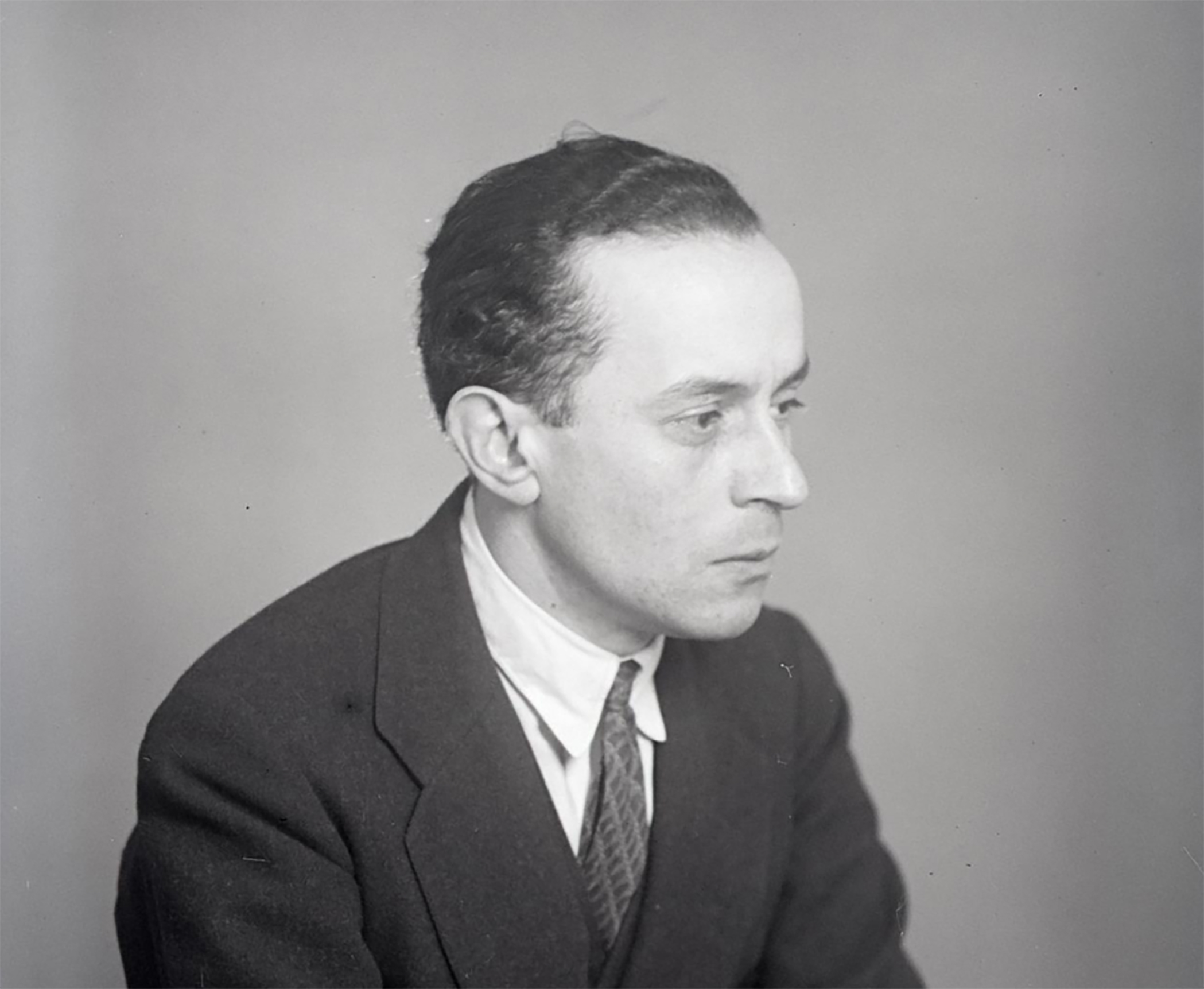
Pierre André Véronge de Lanux — known variously as Pierre de Lanux or Pierre Combret de Lanux — was born in Paris in 1887 and died in 1955. Journalist, writer, diplomat, teacher, and translator, he moved with ease through the literary and political worlds of early twentieth-century France and the United States. Among the many cultural figures he knew was Kahlil Gibran, and it is that friendship which has lately drawn renewed scholarly attention.
De Lanux served as personal secretary to the novelist André Gide in 1907–1908 and to the Nouvelle Revue Française between 1909 and 1911. He counted Antoine de Saint-Exupéry, author of The Little Prince, among his friends. Between 1912 and 1914 he reported from the Balkans as a war correspondent for French newspapers including Le Figaro; during the First World War he served as an ambulance driver for the Red Cross.
• ❧ KGC ❧ •
I
From October 1916 through the summer of 1919, de Lanux undertook a sequence of diplomatic missions. He arrived in the United States in October 1916 on a cultural mission, became a member of the French Haut-Commissariat in the United States in 1918, and in 1919 served as attaché with the French delegation to the Paris Peace Conference — the negotiations that produced the Treaty of Versailles and laid the groundwork for the League of Nations.
It was during this transatlantic period that his friendship with Kahlil Gibran took shape. On 9 October 1918, de Lanux married Elisabeth Eyre (1894–1996), who would become a distinguished stylist and designer in her own right. On 25 July 1932 he was made Chevalier de la Légion d’Honneur.
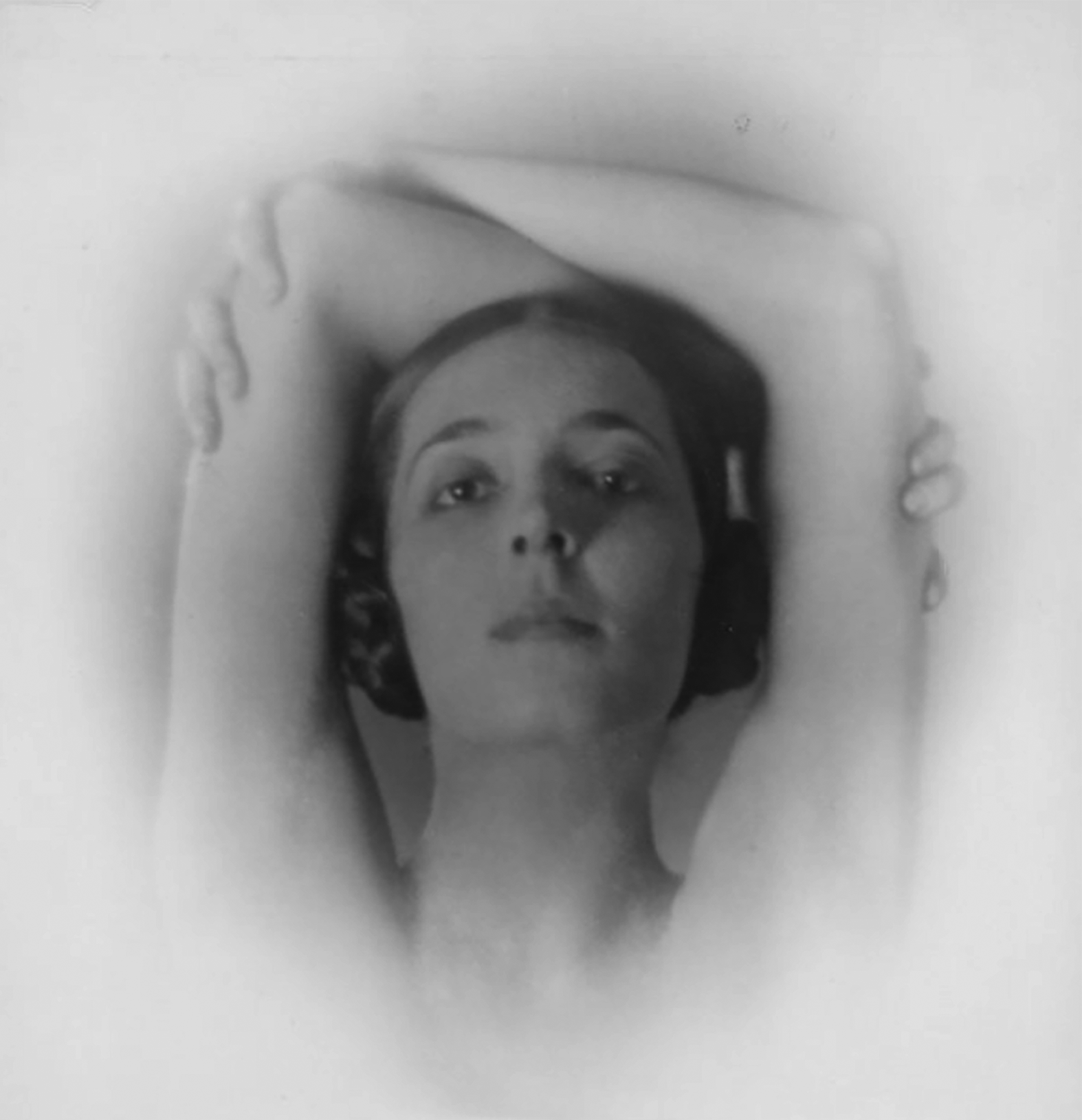
As a writer, de Lanux published several books and essays, among them La Yougoslavie, la France et les Serbes (1916). Jean-Pierre Dahdah, the renowned translator of Gibran’s English and Arabic works into French, records in his biography La Vie inspirée de l’Auteur du Prophète that de Lanux proposed to translate The Madman into French — though whether that translation was completed or ever published remains uncertain to this day.
What is established is that Gibran made a portrait of his friend in 1918. And it is Pierre de Lanux who, together with James Oppenheimer and the poet Witter Bynner — both close friends of Gibran’s — introduced Gibran to Alfred Knopf and persuaded the publisher to issue The Madman, Gibran’s first book in English, later that same year. Oppenheimer’s own The Book of Self appeared from Knopf that year as well.
• ❧ KGC ❧ •
II
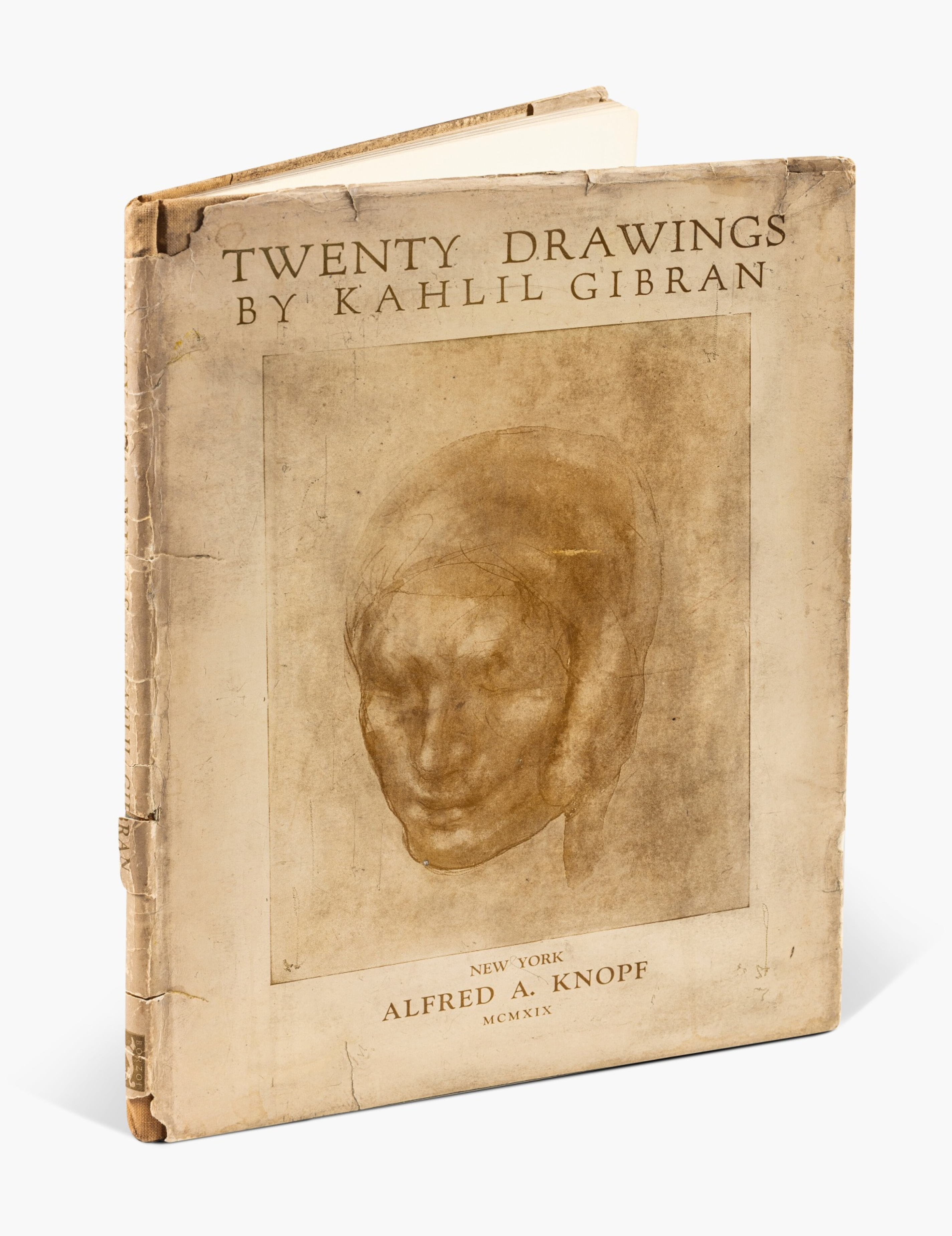
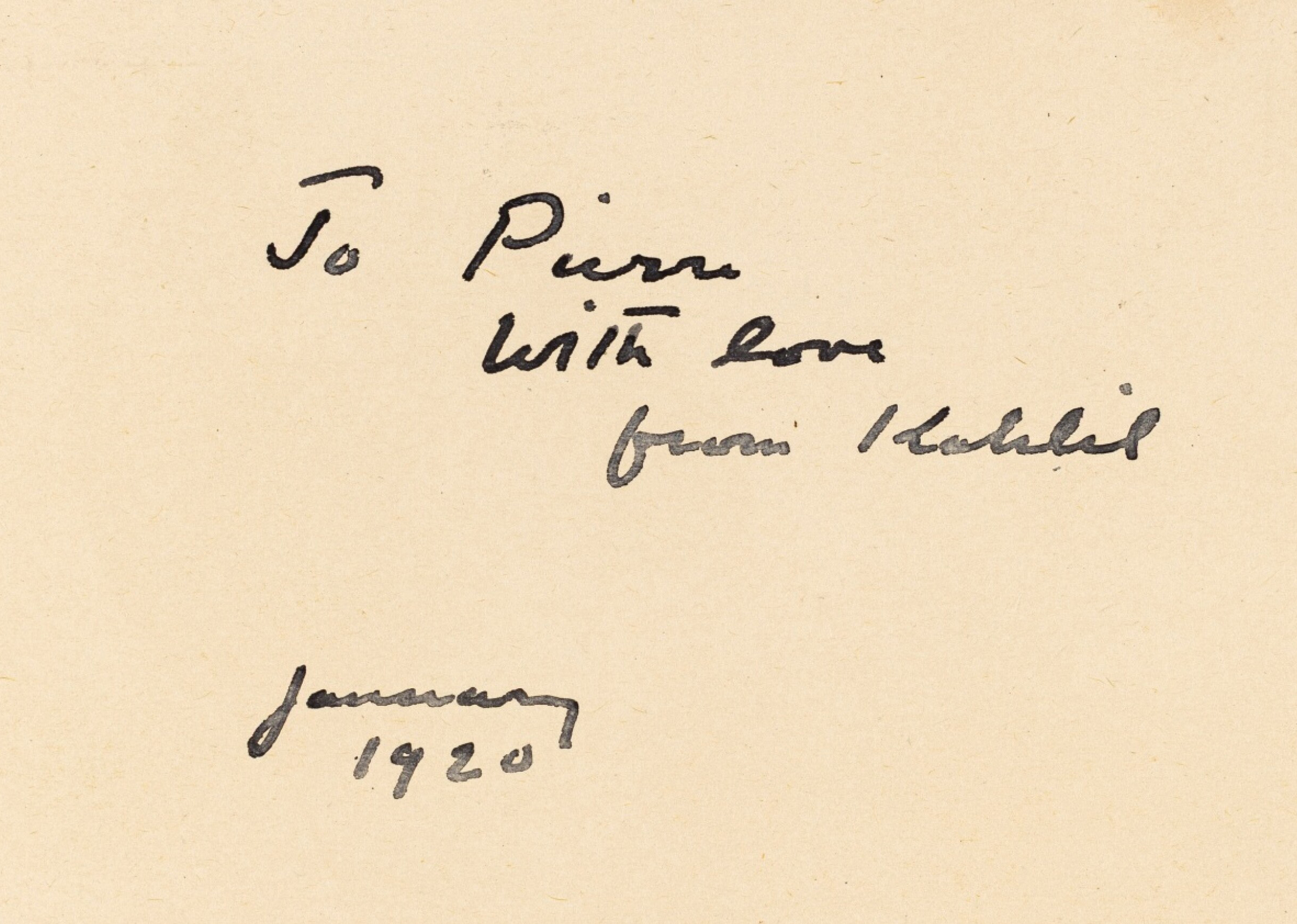
One year after The Madman, Knopf published Gibran’s Twenty Drawings (1919). In January of 1920, Gibran presented a copy to his friend Pierre, inscribing it in his hand:
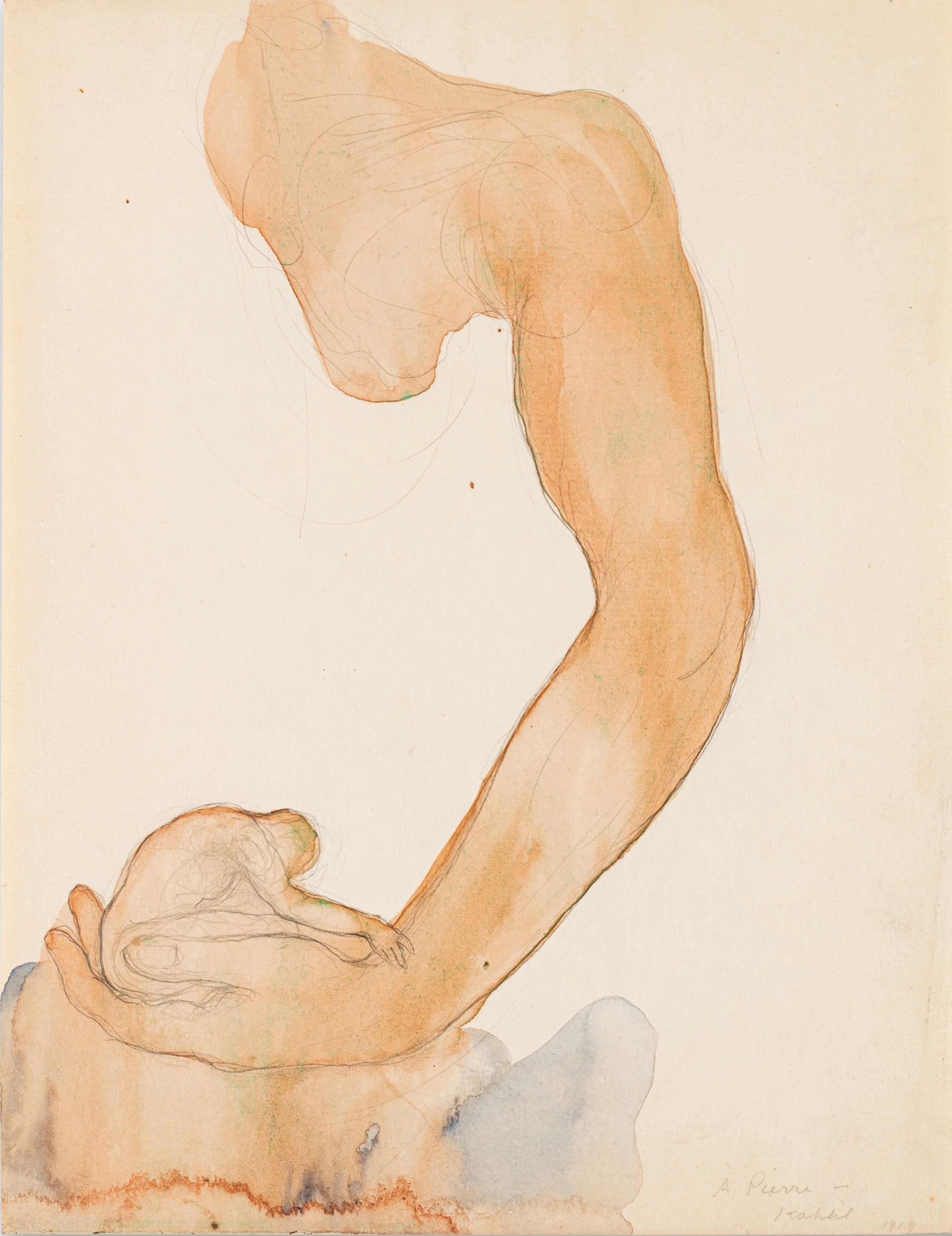
But there was more to this gift than a signed book. Tucked between the pages of Twenty Drawings was a surprise — a unique, previously unseen watercolour painting, inscribed in French to Pierre de Lanux:
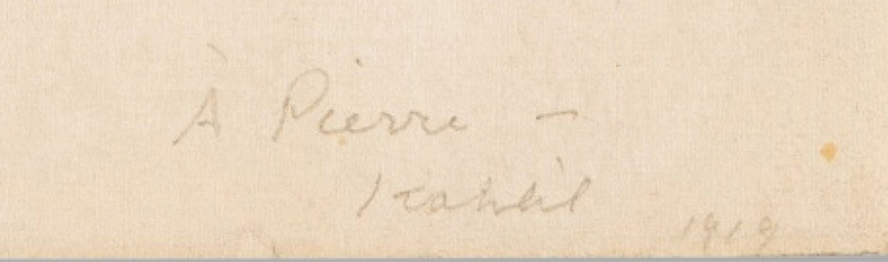
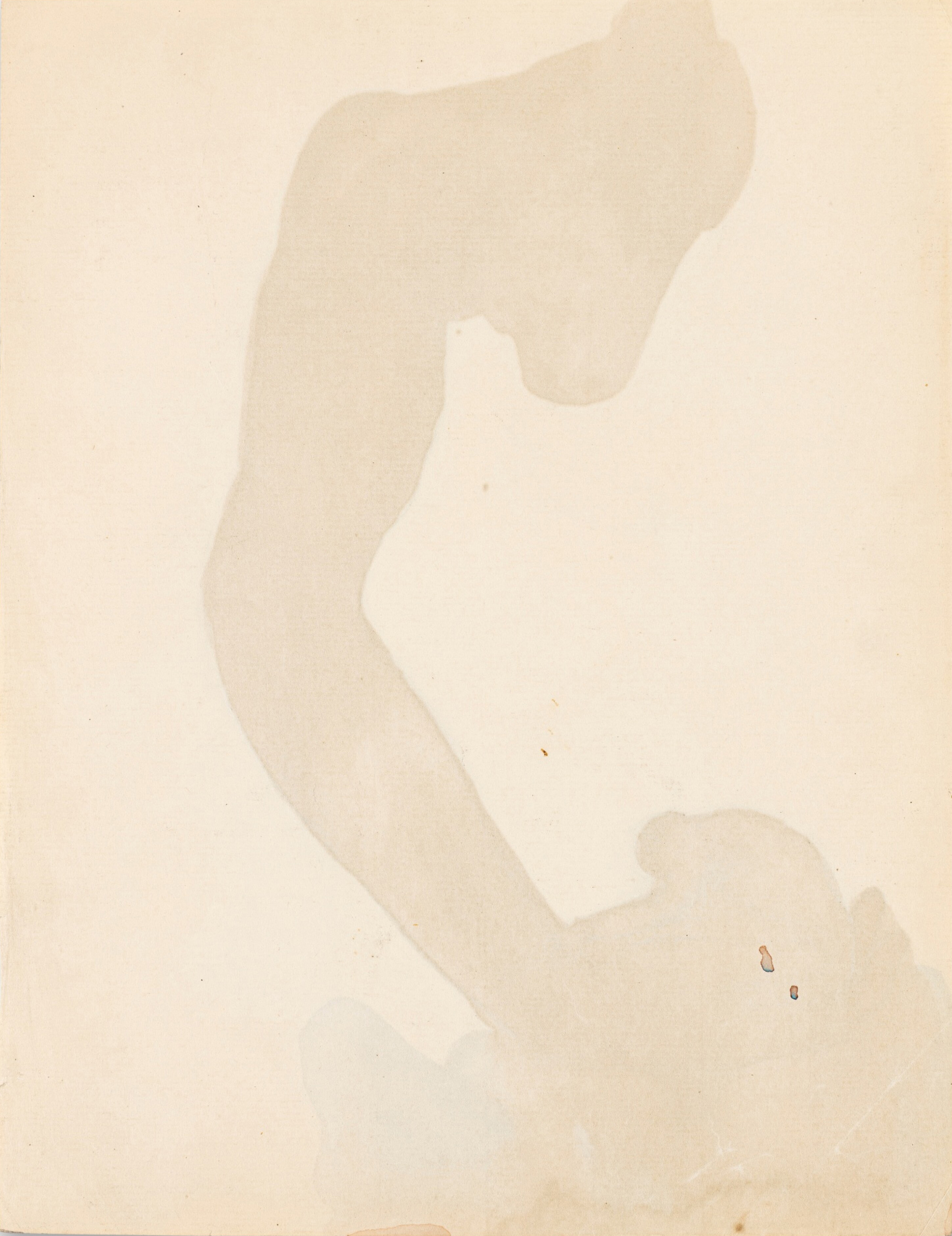
The watercolour has surfaced only very recently — one hundred and six years after it was created — on the Sotheby’s Paris website, where it was offered at auction with a starting bid of €20,000. Measuring 27.7 cm by 21.5 cm on verged paper watermarked “Gloria Linen USA,” the work is executed with Gibran’s characteristic economy of line and spiritual weight. Bidding closed on 17 June 2026 at 3:46 PM CEST.
• ❧ KGC ❧ •
III
The de Lanux watercolour is not without artistic relatives. It is a variant of two works documented in the catalogue of an exhibition held at the Sursock Museum in Beirut, Lebanon, between December 1999 and January 2000, published under the title Kahlil Gibran, Horizons of the Painter.
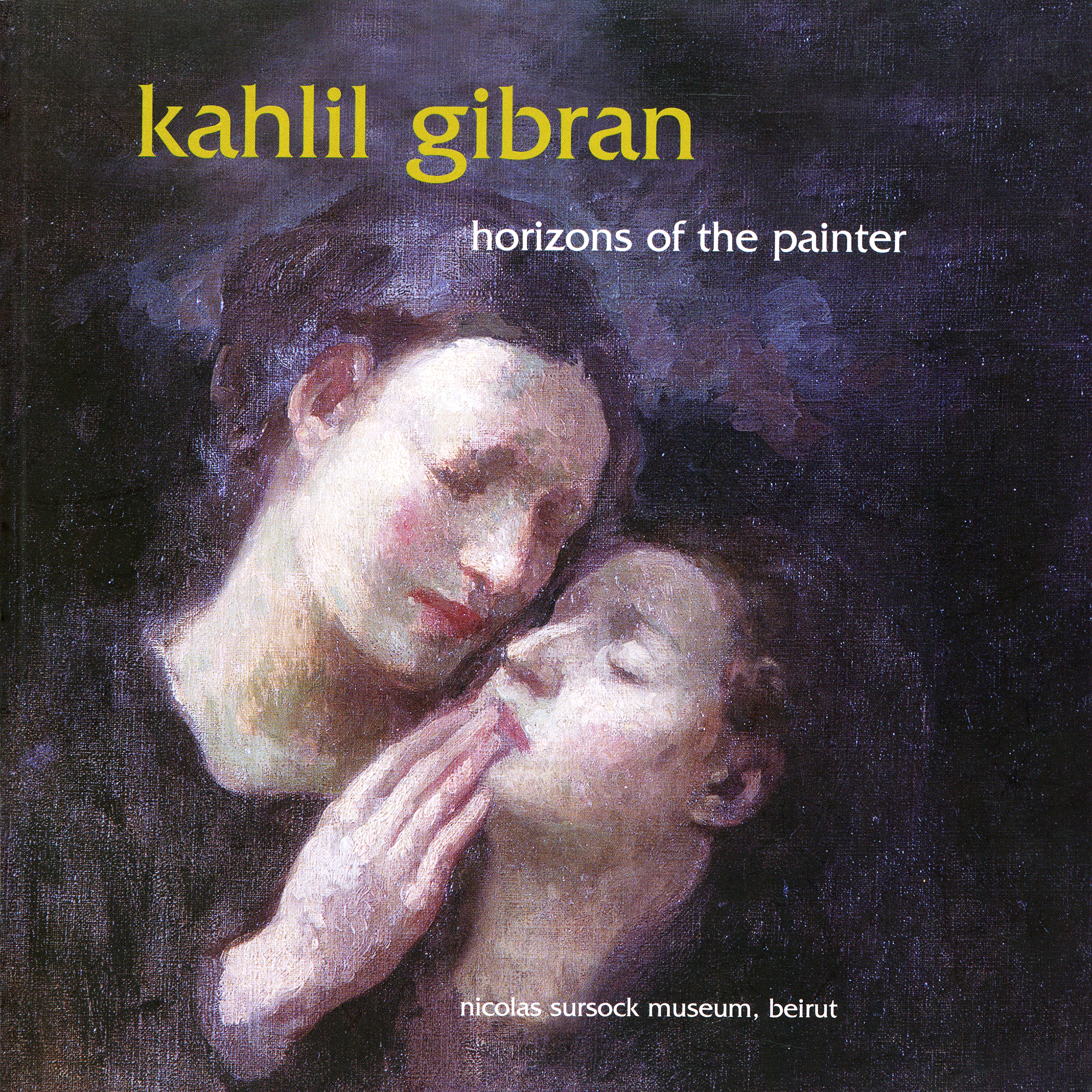
The first of the two related works is an undated, unsigned wash-drawing titled Divine Power Protecting Mankind, measuring 51 cm by 34 cm. The second is a watercolour titled Harmony Between Man and the Creator, measuring 56 cm by 39.2 cm, also undated and unsigned. Both appear on page 117 of the Sursock catalogue.
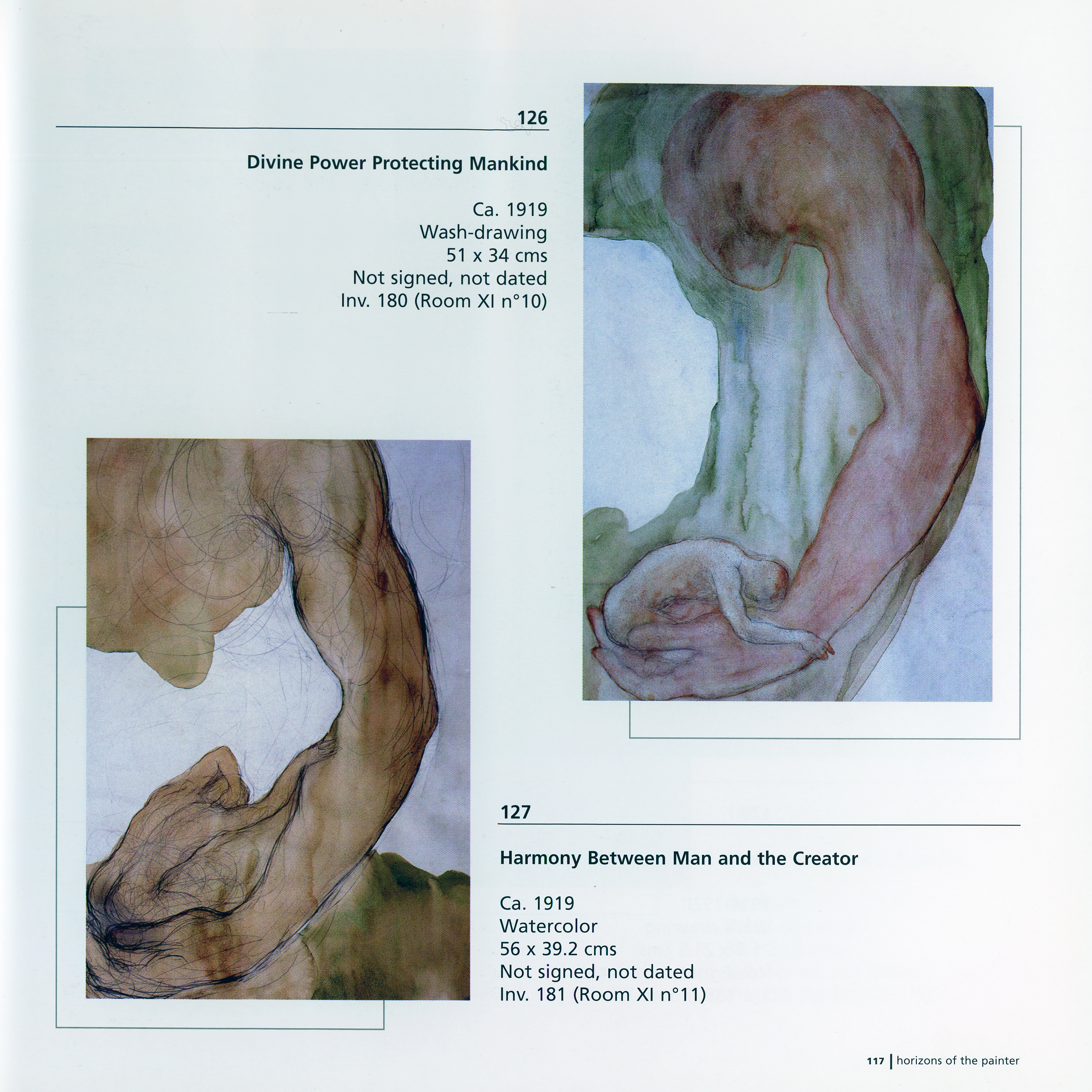
That a previously unknown Gibran watercolour has now come to light invites a wider reflection. Gibran was well-introduced in the cultural and elite circles of Boston and New York, and he was a generous gift-giver of his art. The de Lanux watercolour may be the most vivid evidence yet that other such works — privately held, quietly passed down, their authorship perhaps not even known to current owners — remain to be discovered. One can only hope that they will yet surface.
• ❧ KGC ❧ •
IV
This article was prepared before the closing date and time of the Sotheby’s auction, and posted only afterwards, so as not to influence the bidding in any way.
At closing time on Wednesday, 17 June 2026, the watercolour together with the accompanying copy of Twenty Drawings sold at EUR 61,440.
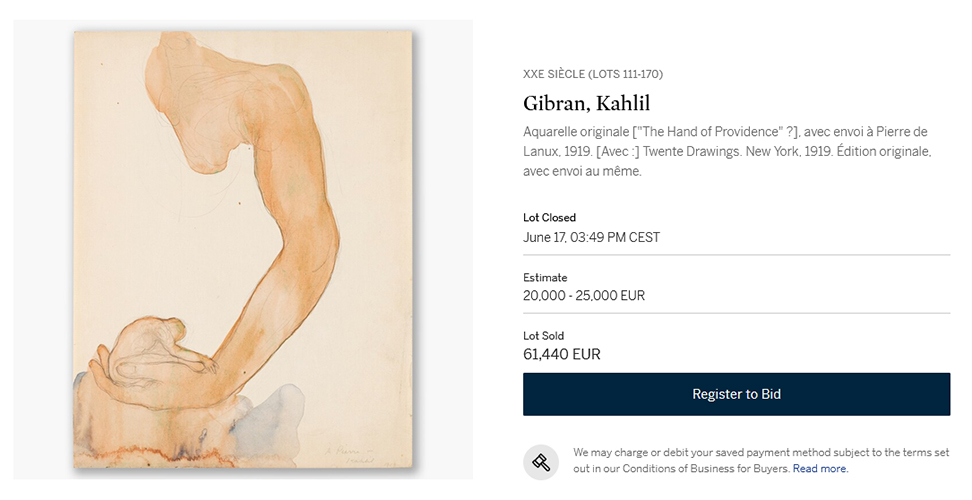
The result, nearly three times the starting bid, is a striking testament to the continuing market appetite for Gibran’s original works — and to the particular resonance of a piece that carries both artistic and personal inscription, surfacing after more than a century of private keeping.
❁
Philippe Maryssael is a retired translator and terminologist, translator of Kahlil Gibran, and a contributor to the Kahlil Gibran Collective. He is based in Arlon, Belgium. Further information on his translation projects is available at maryssael.eu.
Sources
1 Sotheby’s auction listing, Livres & Manuscrits, Paris, 2026: sothebys.com (consulted 6 June 2026). Images of the watercolour and Twenty Drawings courtesy of Sotheby’s.
2 Pierre de Lanux, un diplomate, de Lanux family website: delanux.fr (in French).
3 Wikipedia: Eyre de Lanux (English): en.wikipedia.org; Eyre de Lanux (French): fr.wikipedia.org.
All Rights Reserved © Copyright Philippe Maryssael 2026