A decade before Zaynab was hailed as the "first" Arabic novel, a Lebanese-Louisianan named Afifa Karam was already publishing novels, editing newspapers, and fighting for the rights of Syrian women in New York's Mahjar press — and history has almost entirely forgotten her.
By Francesco Medici
• ❧ KGC ❧ •
KAHLIL GIBRAN COLLECTIVE
By Francesco Medici · Kahlil Gibran Collective · 2026 · kahlilgibran.com
Zaynab by Muḥammad Ḥusayn Haykal (1888–1956), published in Cairo in 1914, is conventionally regarded as the first “true” Arabic novel, despite its limitations and although several novels had preceded it. This somewhat imprecise attribution probably stems from the fact that earlier and contemporary works belonging to the same literary genre were little more than tentative experiments by authors engaging for the first time with a narrative form that, while traditionally Western, was still largely unfamiliar in the Arab world at the time. Most scholars, however, have overlooked – and continue to overlook – the works produced in the early twentieth century by Syrian-Lebanese writers who emigrated to the United States and pioneered the so-called Adab al-Mahḣar (émigré literature). Settling primarily in an area of Manhattan then known as “Little Syria,” just a few blocks from present-day Ground Zero, these writers effectively inaugurated the Arabic novel as a fully developed literary form in New York.
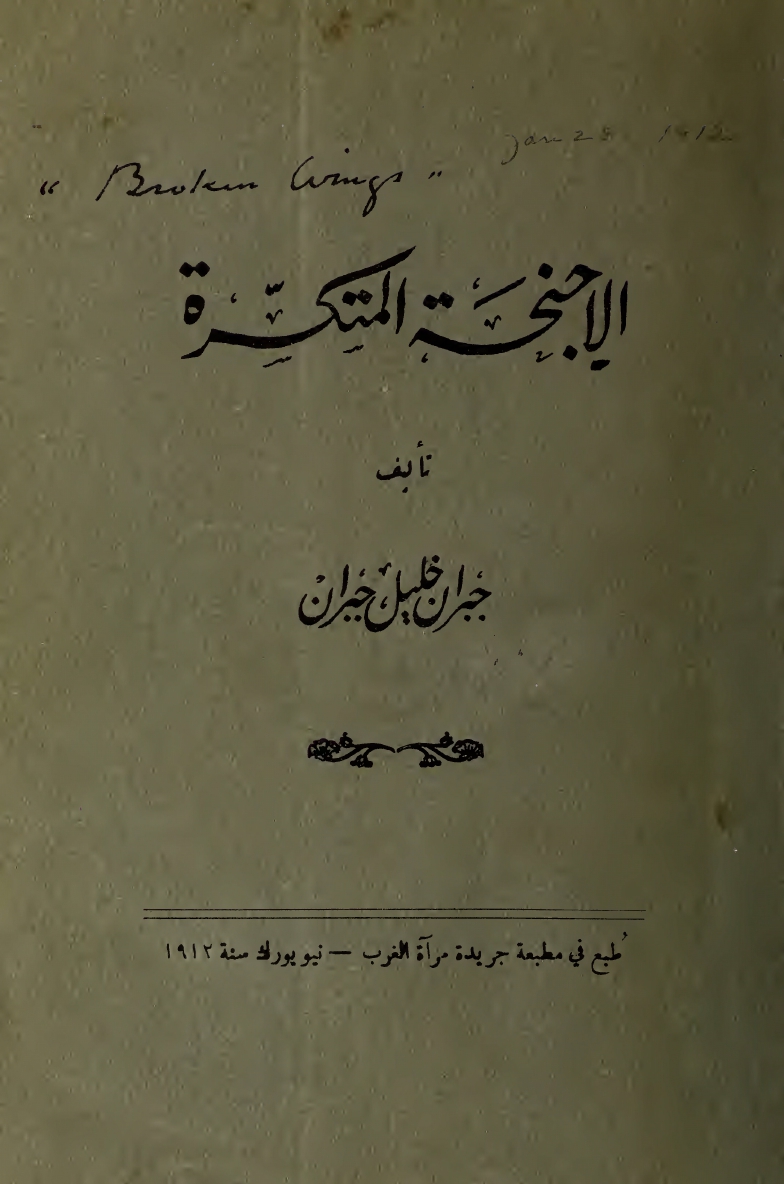
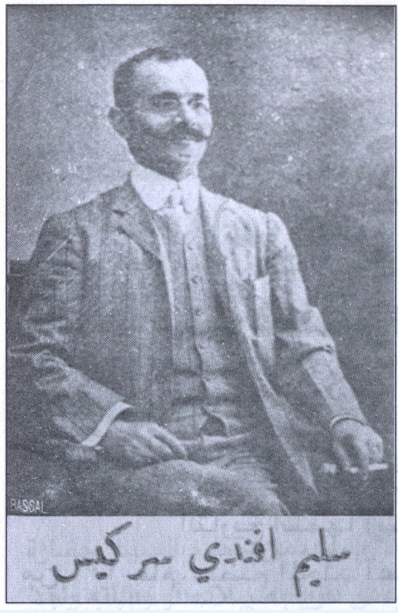
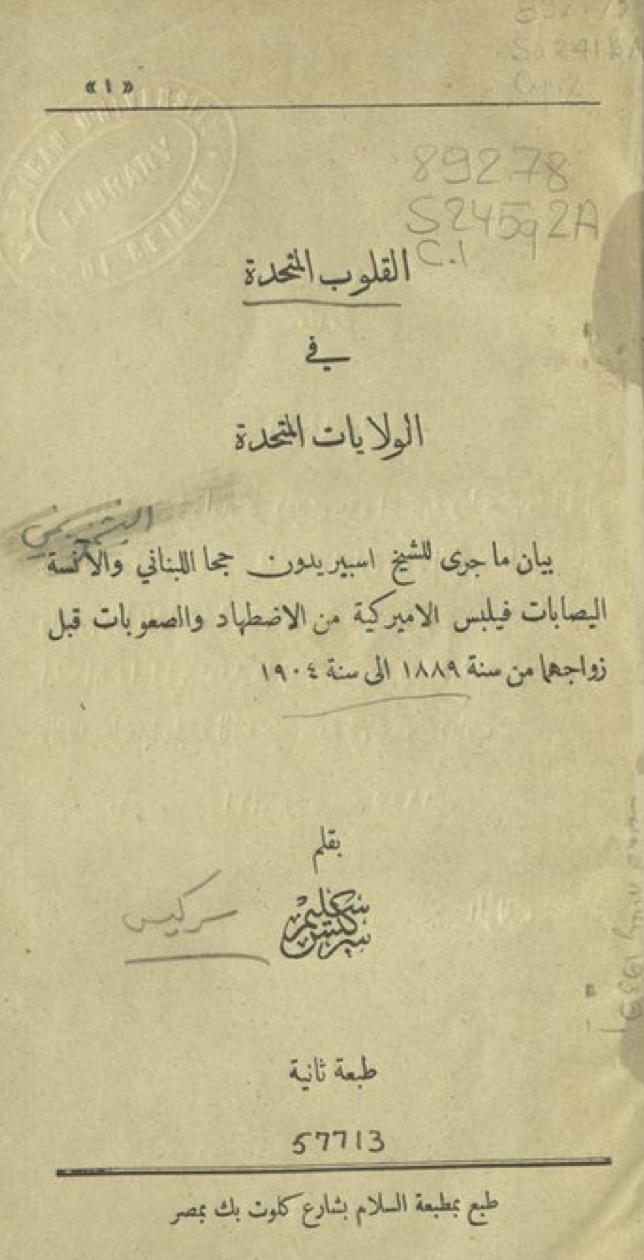
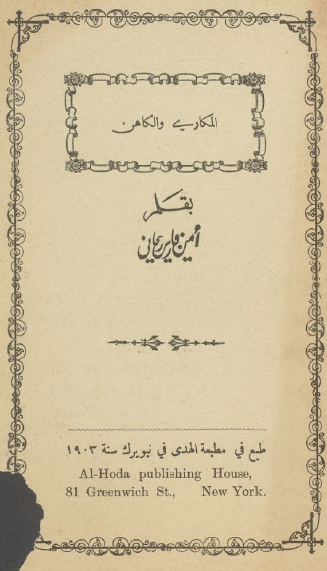
Predating the publication of Zaynab by a full decade are al-Qulūb al-Muttaḥidah fī al-Wilāyāt al-Muttaḥidah (United Hearts in the United States, 1904) by Salīm Sarkīs (1869–1926) and al-Mukārī wa al-Kāhin (The Muleteer and the Priest, 1904) by Ameen Rihani (Amīn al-Rīḥānī, 1876–1940). In 1912, Kahlil Gibran (ǧubrān ẖalīl ǧubrān, 1883–1931) published al-Aǧniḥah al-Mutakassirah (Broken Wings), followed by Rihani’s Zanbaqat al-Ġūr (The Lily of El-Ghor), which began appearing in serial form in the New York-based Arabic-language monthly al-Funūn (“The Arts,” 1913–1918) with the October 1913 issue. The circle of muhāǧirūn also included a woman whose name is scarcely, if ever, mentioned in literary histories: a journalist, writer, and translator who, between 1906 and 1910, published no fewer than three original novels in Arabic, all in New York.
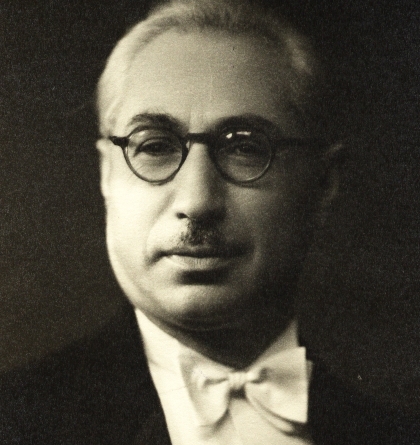
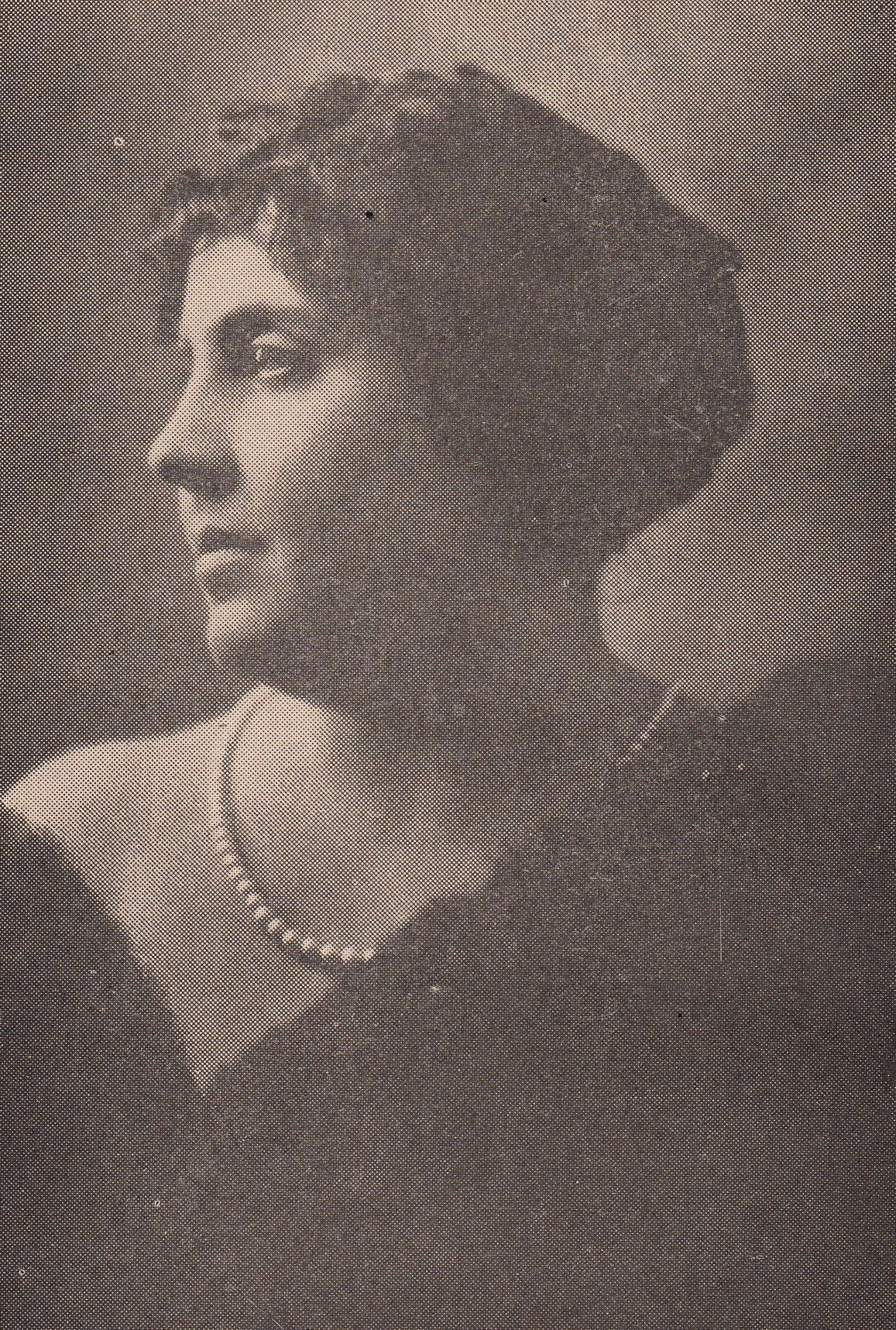
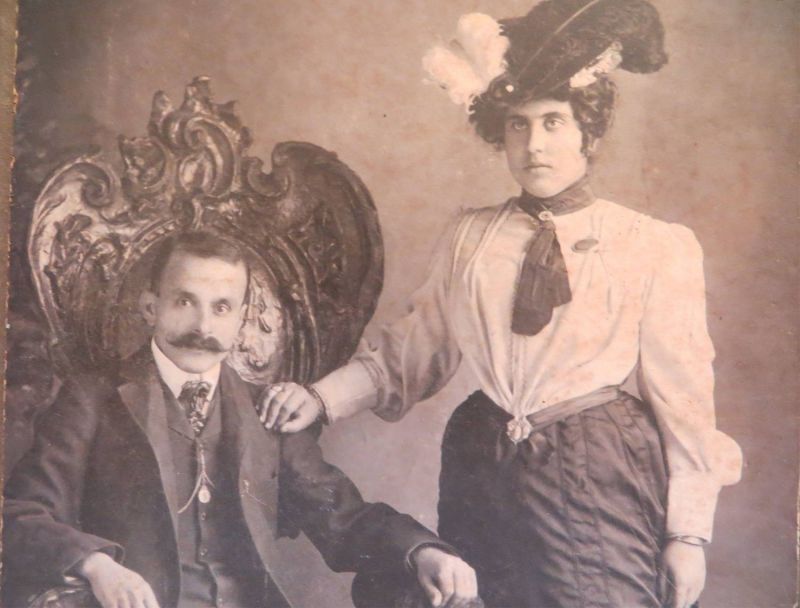
Afifa Karam (‘Afīfah Karam) was born on 26 July 1883 in Amsheet (‘Amšīt), in present-day Lebanon, into a prosperous Maronite Christian family. Her father, Yūsuf Ṣāliḥ Karam, was a distinguished physician serving in the Ottoman army. Afifa attended a local girls’ school run by Maronite nuns and enjoyed a happy and carefree childhood and early adolescence until 1895, when the family fell into hardship following her father’s death. Forced to abandon her studies, she was married in 1897 to Karam Ḥannā Ṣāliḥ Karam, a paternal cousin thirteen years her senior. After their wedding, her husband – a merchant who had made his fortune in the United States and was universally known as “John” – settled permanently in Shreveport, Louisiana, taking with him his fourteen-year-old bride as well as her two closest relatives, her mother Frūsīnā and her younger sister Amīnah.
Although arranged, Afifa’s marriage to John proved to be a happy one, despite the fact that the couple remained childless. Their comfortable financial circumstances also spared her the need to work to support the household – as was the case for the vast majority of her compatriot women who had immigrated to the New World – thus allowing her to devote herself entirely to reading and writing, as well as to charitable work on behalf of orphans from Ottoman Greater Syria and to the advancement of the rights of Arab women – both Christian and Muslim – living in the United States.
• ❧ KGC ❧ •
I
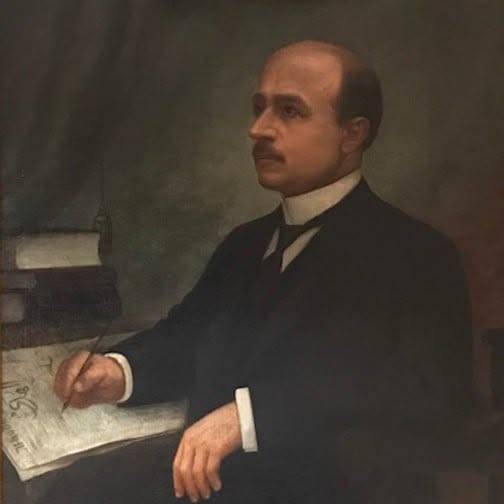
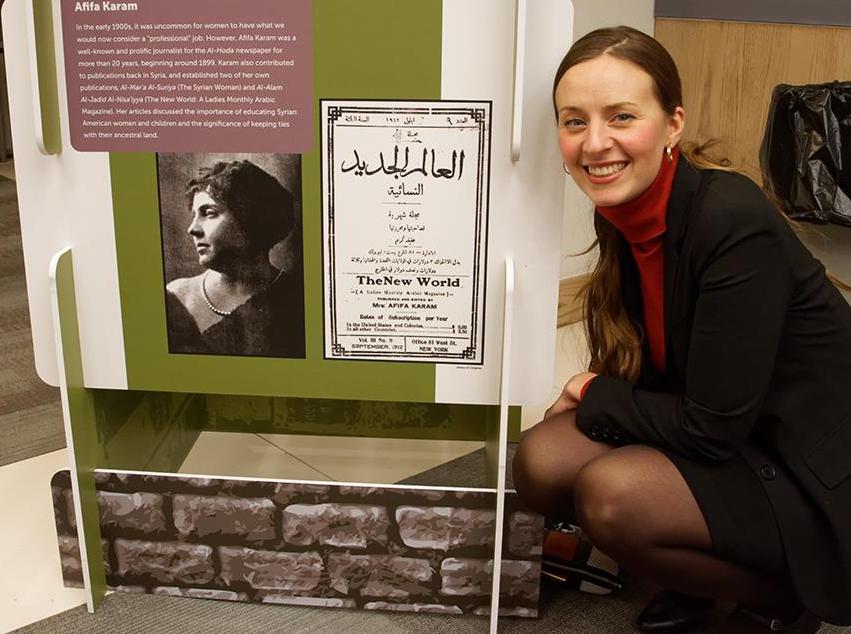
In 1898, Afifa met Naoum Mokarzel (Na‘ūm Mūkarzil, 1864–1932), the prominent Lebanese American intellectual and activist who founded the Arabic-language newspaper al-Hudà (“The Guidance,” Philadelphia–New York, 1898–1952), in which she began publishing her first articles. Over the following years, her collaboration with Mokarzel’s newspaper grew steadily, and in 1905 she began writing a regular column entitled Mabāḥiṯ Nisā’iyyah (“Women’s Topics”). The column was accompanied by a photograph depicting her in profile, elegantly dressed in a low-cut gown, adorned with pearl earrings and a matching necklace, a small white flower tucked behind her ear, and her hair styled according to the Western fashion of the time.
In 1911, Afifa founded al-Imrā’ah al-Sūriyyah (“The Syrian Woman”), the first Arab American women’s weekly. Two years later, while Mokarzel was in Europe as a representative of the ǧam‘iyyat al-Nahḑah al-Lubnāniyyah (Lebanese League of Progress) attending the First Arab Congress in Paris, she served as acting editor-in-chief of al-Hudà and also founded the monthly al-‘Alam al-ǧadīd al-Nisā’ī (“The New Women’s World”). Around the same time, she began contributing to the Egyptian periodical al-Mar’ah al-ǧadīdah (“The New Woman”). In her column, Ḥadīṯ al-Mahǧar (“Talk of the Diaspora”), she introduced readers across the Arab world to the lives of American women, paying particular attention to issues of education and socio-political participation, while also examining the challenges faced by Syrian immigrant women in the United States, suspended between two cultural worlds.
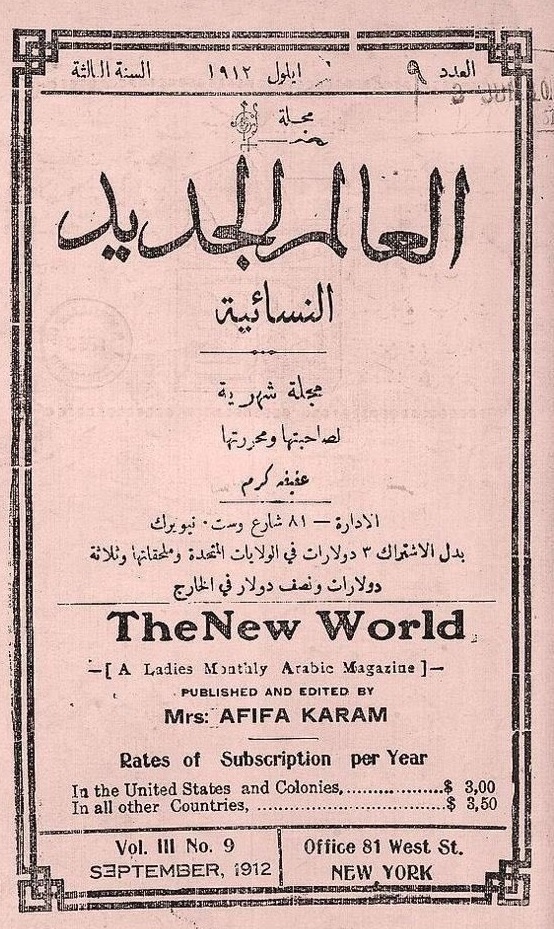
The encounter between East and West – explored primarily from a female perspective – also became a recurring theme in her articles for al-Hudà, including one addressing the freedom afforded to American women set against the constrained modesty expected of Syrian women. Meanwhile, the elegance and sophistication of Afifa’s prose gave rise to doubts about her true identity:
According to some, “Afifa Karam” was merely a pseudonym concealing the pen of a male author – a thinly veiled allusion to Mokarzel himself.
In August 1905, on the pages of al-Hudà, she responded to these allegations in a forcefully worded article, asserting both her independence as a woman and her authority as a writer. On 15 March 1906, after nearly a year of silence in print, she published in al-Hudà an essay entitled Baḥṯ fī al-Riwāyāt (“An Examination of Novels”), in which she attacked Arab critics of the novel, who regarded the genre as a dangerous vehicle for immoral and misleading ideas. By contrast, Karam argued that the novel possessed considerable educational – and even civic – value, particularly for women readers. The very next day, al-Hudà announced on its front page the forthcoming publication of her debut novel, with an initial print run of five hundred copies.
• ❧ KGC ❧ •
II
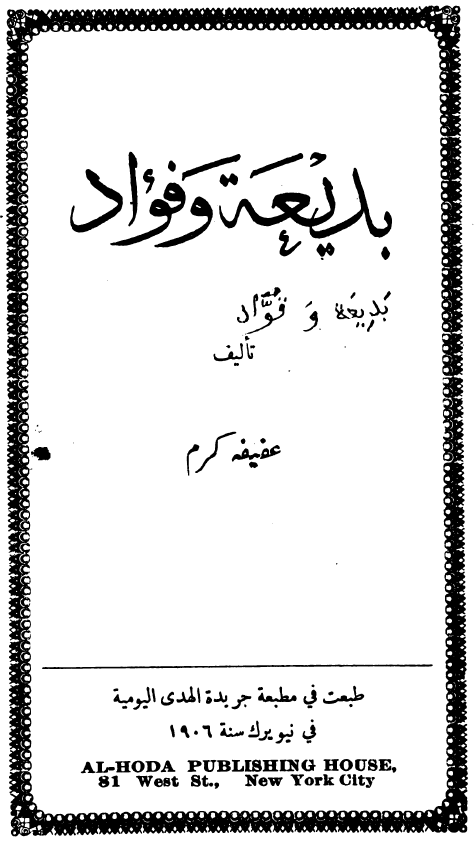
Badīʻah wa Fu’ād (“Badīʻah and Fu’ād,” 1906) – dedicated “to the mothers, wives, and daughters who built the past and present and will build the future of humanity” and rich in references to the Egyptian intellectual Qāsim Amīn’s (1863–1908) celebrated treatise Taḥrīr al-Mar’ah (“The Liberation of Women,” 1899) – tells the story of Badīʻah, a young Lebanese woman of humble origins employed as a domestic servant in the household of a wealthy aristocratic family, where she falls in love with the family’s son, Fu’ād. Determined to prevent the match at any cost, Fu’ād’s family persuades Badīʻah to leave her homeland and begin a new life in the United States. Fu’ād, who reciprocates her feelings, subsequently sails for the New World, and after a series of trials and tribulations the two are finally reunited and able to marry.
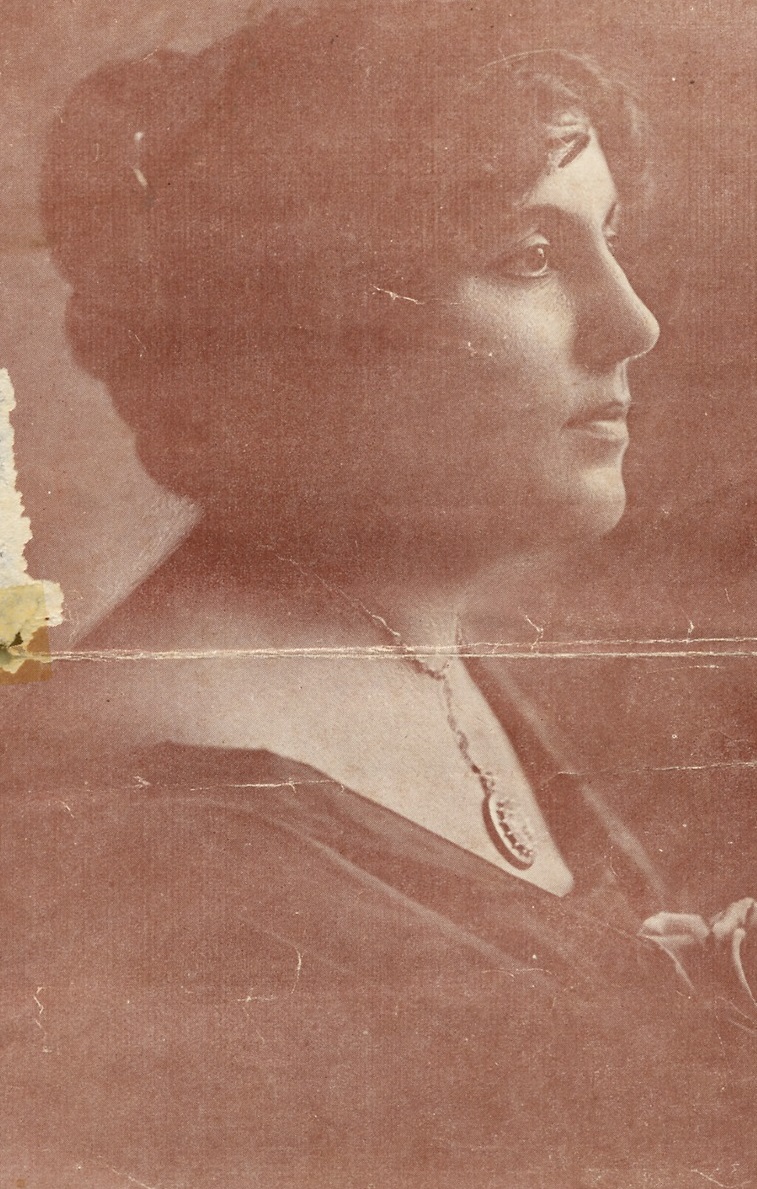
Published in 1908, Fāṭimah al-Badawiyyah. Riwāyah Waṭaniyyah (“Fāṭimah the Bedouin: A Patriotic Novel”) is set in New York and centres on the deep bond between two women of radically different socio-economic backgrounds and cultural worlds: Fāṭimah, an unfortunate Muslim immigrant from Baalbek, Lebanon, and Alice Harrison, a wealthy American heiress. The novel addresses such themes as honour killing, interfaith marriage, gender discrimination, and the practice of female veiling. The half-title verso features a new formal photographic portrait of Karam, shown facing the camera, accompanied by an epigraph signed by the author herself: “No infant can become a man of the future or his wife, unless he is nursed at the breast of a well-bred and distinguished mother.”
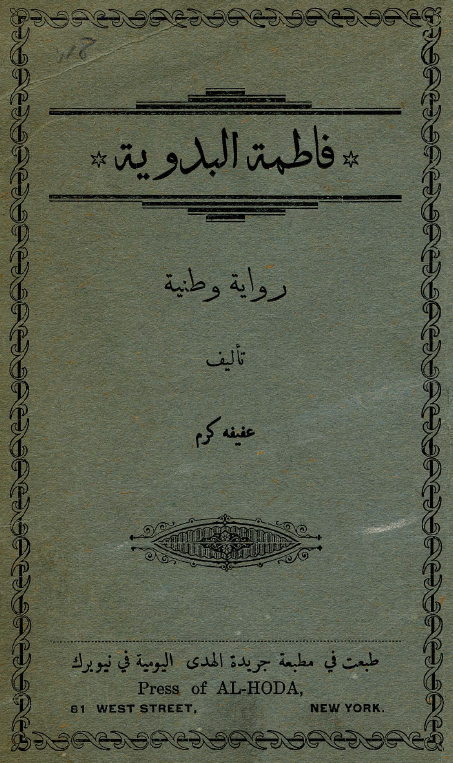
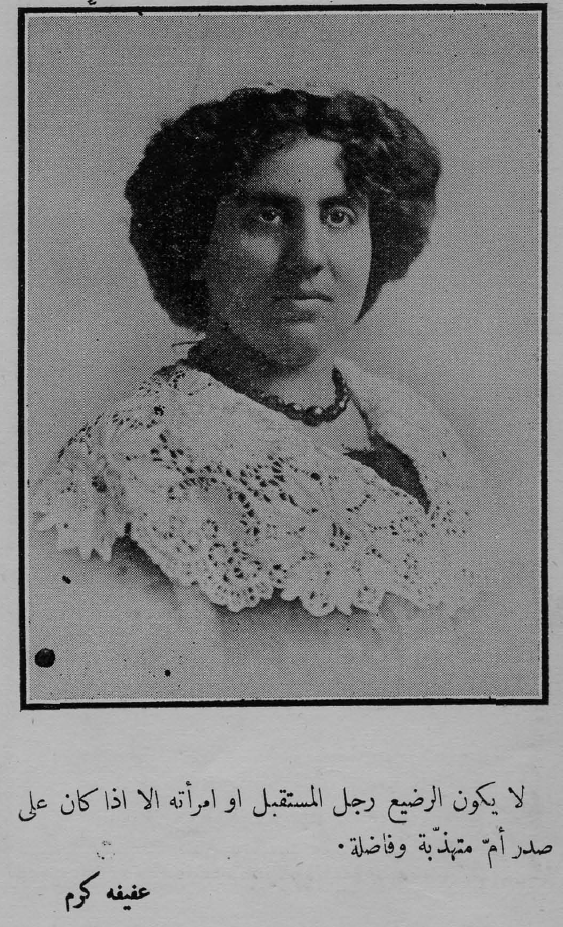
Both the epigraph and the subtitle point to the novel’s central concerns: women’s education as a driving force for social progress and the ideals of emerging Arab nationalism, embodied by women in their role as the “mothers of the Nation.” The fruitful exchange between Fāṭimah and Alice also gives rise to a sustained critique of both Arab and Euro-American customs and social conventions, thereby challenging the simplistic and stereotypical dichotomy that continues to oppose a backward, traditional East to a modern, liberal West.
Mount Lebanon provides the setting for Karam’s third and final novel, Ġādat ‘Amšīt (“The Girl from Amsheet”), published in 1910. The work offers a trenchant socio-political critique of the inherently patriarchal nature of the so-called reform movements that were spreading throughout Greater Syria and among Syrian-Lebanese diaspora communities in the early twentieth century. Once again, Karam unequivocally sides with women, denouncing in particular the forms of abuse perpetrated against them within the domestic sphere.
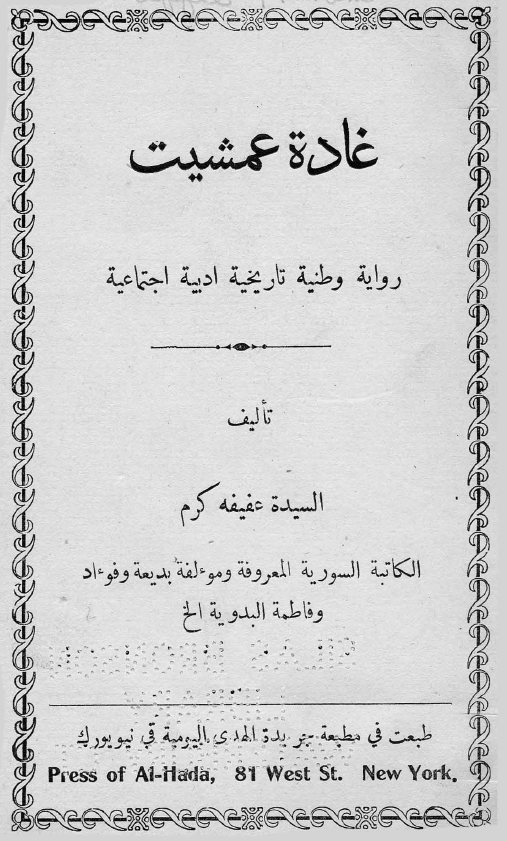
The novel opens with the tragic conclusion of the love story between Farīdah and Farīd, whose relationship is irreparably shattered by an arranged marriage. The abuse endured by the protagonist at the hands of her elderly husband, Ḥabīb – a violent man given to alcohol – is presented as emblematic of the condition of Arab women at the time, who were often reduced to little more than objects at the mercy of men. Farīd, who unsuccessfully attempts to rescue his beloved, later becomes a political activist and liberal reformer. Yet despite his egalitarian ideals, he too ultimately succumbs to patriarchal logic. Widowed, alone, and abandoned, Farīdah dies prematurely in a convent, where she had hoped to find refuge and peace.
• ❧ KGC ❧ •
III
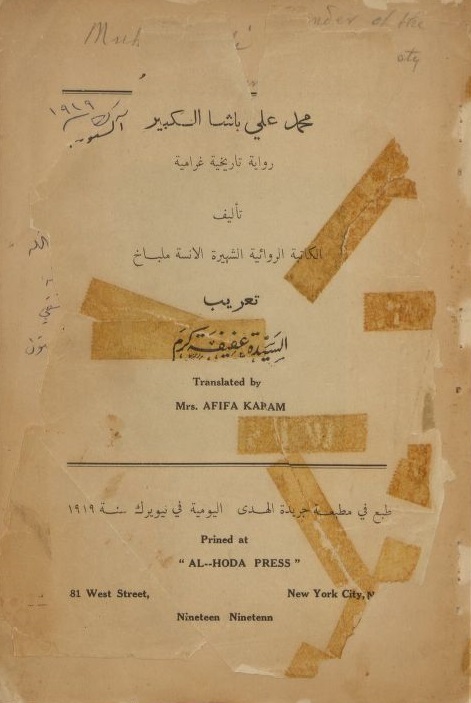
In the years that followed, Karam abandoned original creative writing to devote herself exclusively to translating Western novels. After Malikat al-Yawm (The Queen of the Day by L. T. Meade) and Klīūbatrā (Cleopatra by Henry Rider Haggard), she published translations of Nansī Stāyir (Nancy Stair by Elinor Macartney Lane) in 1914, Riwāyat Ibnat Nā’ib al-Malik (The Viceroy’s Daughter by Alexandre Dumas) in 1918, and Muḥammad ‘Alī Bāšā al-Kabīr (an alternative Arabic title for Luise Mühlbach’s Mohammed Ali and His House) in 1919.
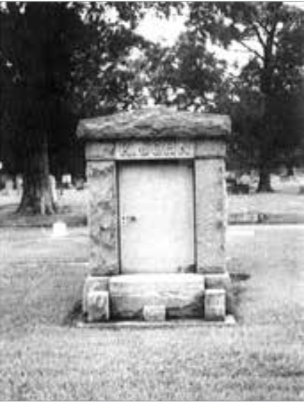
Afifa Karam died of a cerebral hemorrhage on 29 July 1924, at the age of just forty-one. The Arab American press celebrated her as the “defender of the Syrian woman,” the “princess of the pen,” the “torchbearer of women’s freedom,” and the “genius of Lebanon.” Buried in Saint Joseph Cemetery in Shreveport, her remains still rest beside those of her devoted husband, John.
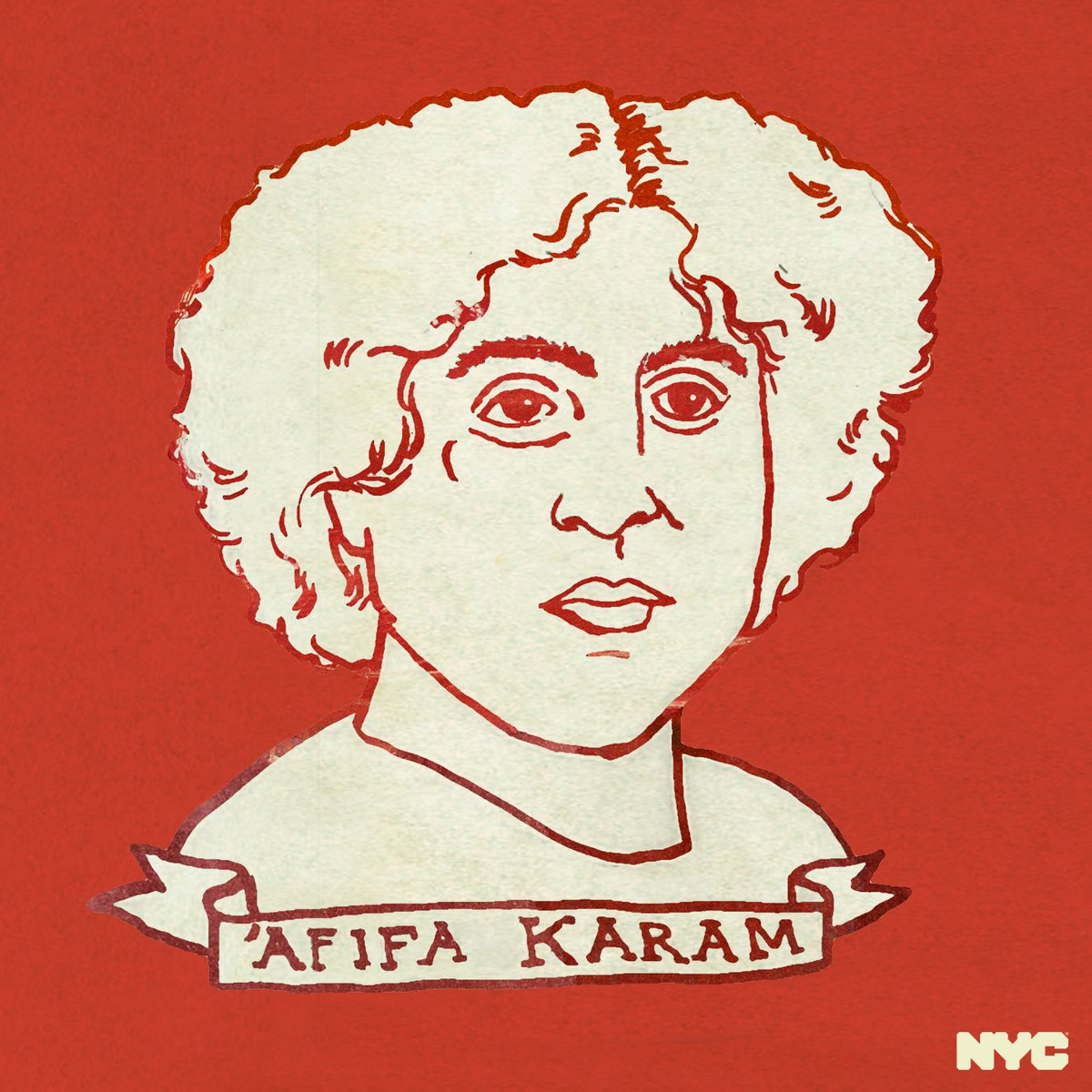
As the American scholar Elizabeth Claire Saylor writes in the concluding pages of her comprehensive monograph A Bridge Too Soon: The Life and Works of ‘Afīfa Karam, the First Arab American Woman Novelist (University of California, Berkeley, 2015), Karam’s life and literary career constitute a remarkable – and strikingly relevant – example of intercultural and interreligious dialogue between the two hemispheres.
In Saylor’s words, they:
“demonstrate that ‘Arabs’ form a century-old and important, yet neglected, part of American history.”
Moreover, Karam’s very identity as an independent intellectual “undermines the ubiquitous misinformed stereotypes of disempowered ‘Arab’ women promulgated by mass media” and “provides an alternative model of an empowered Arab woman who helped shape a thriving Arabic literary culture in the United States.”
Nearly a full decade before Broken Wings and two full decades before Zaynab, Afifa Karam had already claimed the Arabic novel as her own – and, in doing so, claimed a place for Syrian-Lebanese women at the very origin of Mahjar literature.
❁
All Rights Reserved © Copyright Francesco Medici 2026