Gibran heard Felix Faris read a poem about exile and the ashes of ancestors, and promised to put it into English. He kept the promise. The manuscript came back to Lebanon and was kept as a relic.
By Francesco Medici
• ❧ KGC ❧ •
KAHLIL GIBRAN COLLECTIVE
By Francesco Medici · Kahlil Gibran Collective · 2019 · kahlilgibran.com
• ❧ KGC ❧ •
I
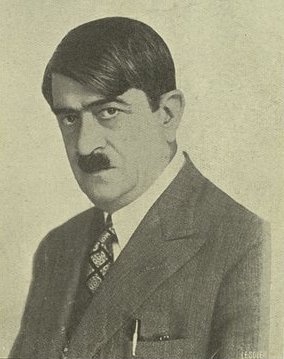
Between 1921 and 1922 Felix Faris (1882–1939), a prominent Lebanese activist, journalist, writer, poet and translator, spent seven months in the United States. In New York he met the members of Arrabitah — the Pen Bond — and became a close friend of Gibran, who considered him a "great literary brother."1
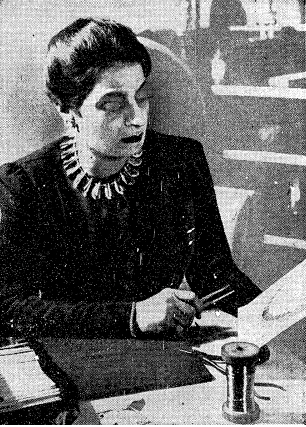
He met Gibran for the first time on 27 January 1922 in New York, at the home of Marie El-Khoury (1883–1957), a refined Syrian-born American journalist and jewellery designer who had invited them both to dinner. Her dinners were legendary: "she often served meals in which every course was the color of a gemstone,"2 and the conversation that evening lasted until three o'clock in the morning.
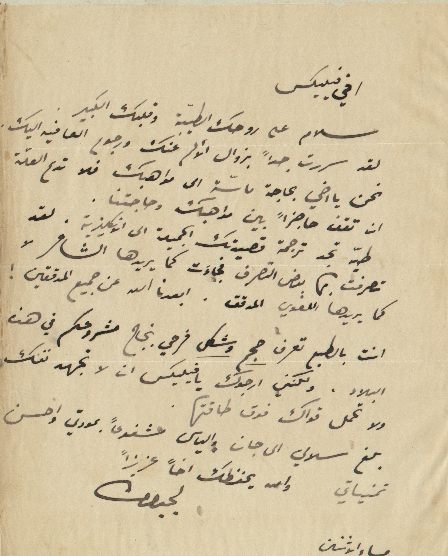
Faris recorded his impressions of Gibran in his journal, and when his friend died he published excerpts from them in Lebanon, along with their exchanged letters. Reading his memories of that stay in the United States, we learn that Faris was upset by Gibran's emaciated looks — he was in a period of weak constitution — but admired his willpower in spite of illness. Gibran loved his friend's poems, and among them appreciated Munajat al-Nafs (Soliloquy) best of all; but his favourite was Turbat al-Judud, so much so that he promised its author he would translate it into English. He kept the promise. When Faris returned to Lebanon he received from Gibran this untitled manuscript.
• ❧ KGC ❧ •
II
From the pain of bitter parting
To the laughing, faithless sea:
From the merciless waves of fear,
And then to prison and despair!
Is this what I sought, my Salwa,
When I left you and my home?
And behold me now, in a night
Whose ears are deaf to my cries,
Whose eyes are blind unto my grief.
But what if my morn should come?
And the star of my morn should rise?
What would they bring save a memory
To a heart over-burdened with memories?
O my thoughts, my stricken thoughts,
Fly not towards my homeland,
And enter not into my house,
Lost, you touch with your dark wings
The sleep-veiled eyelids of my mate.
Oh for a breath from that fragrant vale,
Oh for a draught from that singing stream
And for a handful from my forefathers' ashes
To be strewn, as they lay me low,
Into my lonely grave.
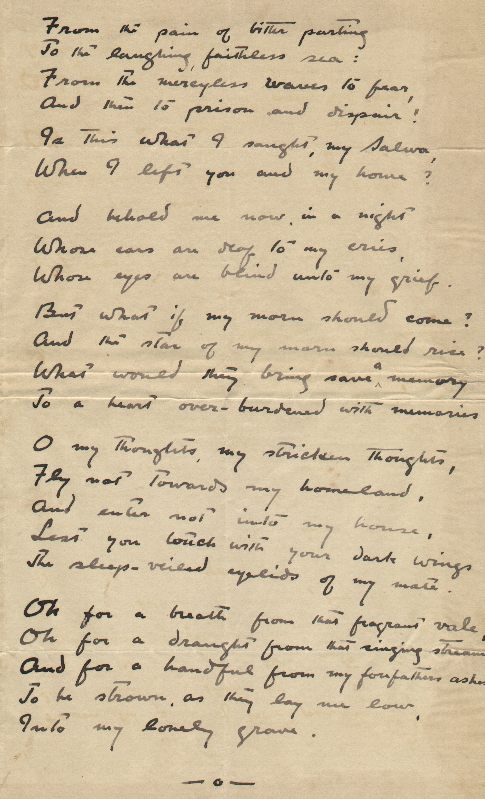
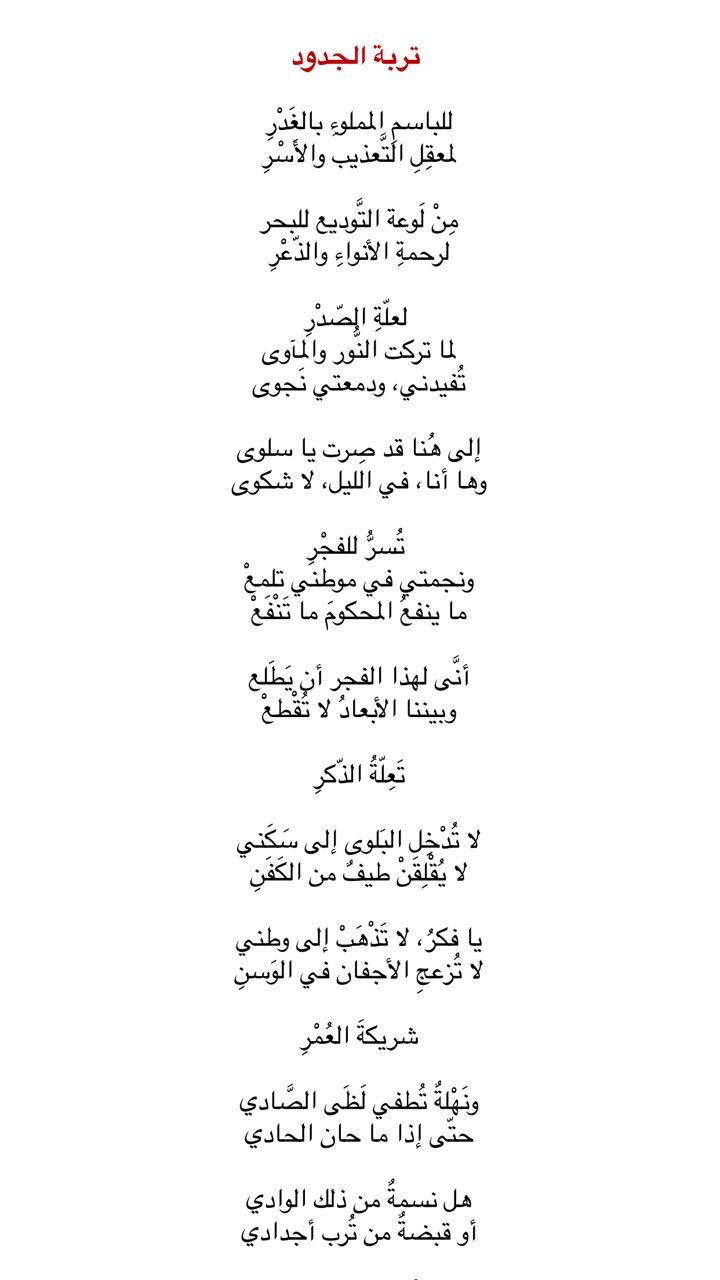
According to Faris, Gibran's translation of the poem was published in some "literary magazine," but there is no further information about it. He never saw Gibran again, and kept the manuscript safe as a precious relic of the great man and poet.3
❁
1 From Gibran's letter to Edmond Wehby, New York, 12 March 1925. Cf. Kahlil Gibran: A Self-Portrait, translated from the Arabic and edited by Anthony R. Ferris (Secaucus, New Jersey: The Citadel Press, 1973), p. 81. ↩
2 Linda K. Jacobs, "'If You Are Wearing Pearls, Wear Nothing but Pearls': Marie El-Khoury, Jeweler to New York Society," Kalimah Press Blog, 24 August 2015. ↩
3 For additional details see felixfares.com. ↩
This article is based on an excerpt from "Tracing Gibran's Footsteps: Unpublished and Rare Material," in Gibran in the 21st Century: Lebanon's Message to the World, edited by H. Zoghaib and M. Rihani (Beirut: Center for Lebanese Heritage, LAU, 2018), pp. 93–145.
All Rights Reserved © Copyright Francesco Medici 2019