In May 1926 Kahlil Gibran thanked an American poet and freethinker for a book he had “read with real joy.” The letter survives only because J. William Lloyd had it printed on a promotional sheet for Dawn-Thought, beside praise from Luther Burbank and Richard Maurice Bucke. Francesco Medici reads what it tells us, and what it does not.
By Francesco Medici
• ❧ KGC ❧ •
KAHLIL GIBRAN COLLECTIVE
By Francesco Medici · Kahlil Gibran Collective · 2026 · kahlilgibran.com
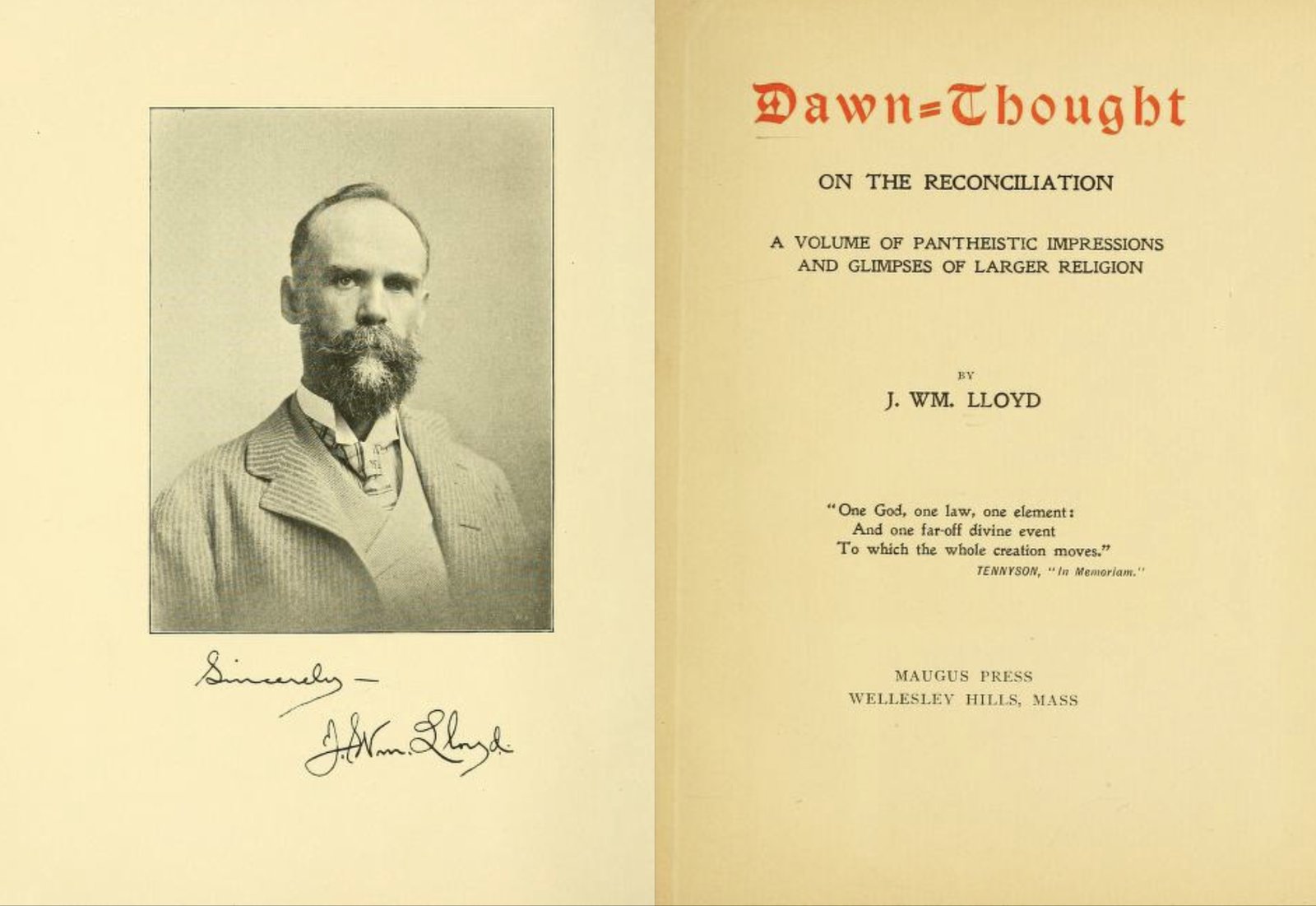
Gibran · Lloyd · Dawn-Thought · 1926
What connects Kahlil Gibran, author of The Prophet, with J. William Lloyd, an American writer and advocate of spiritual and social freedom? A little-known letter dated 1926 offers a documented point of contact between the two authors, bringing to light a literary encounter centred on Lloyd’s Dawn-Thought.
1857–1940
J. William Lloyd
1900
Dawn-Thought published
4 May 1926
Gibran writes to Lloyd
3
Testimonials on one sheet
• ❧ KGC ❧ •
I
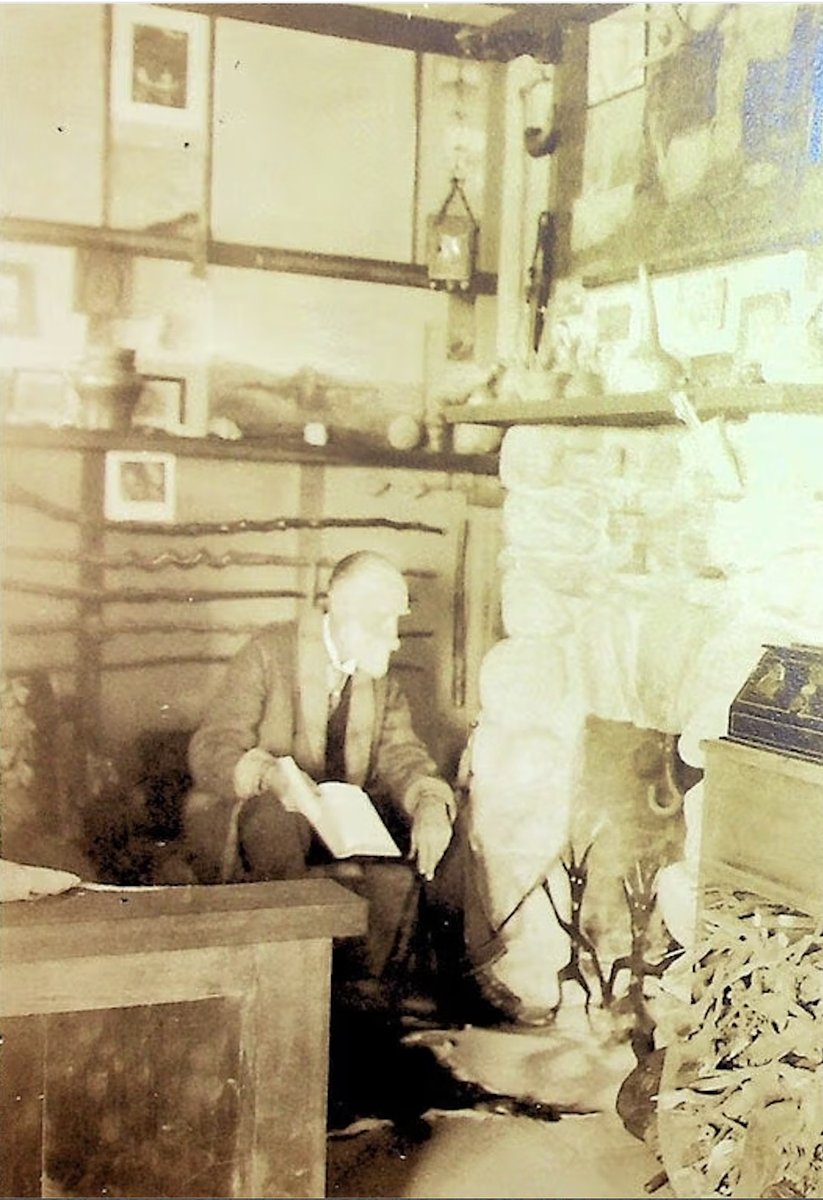
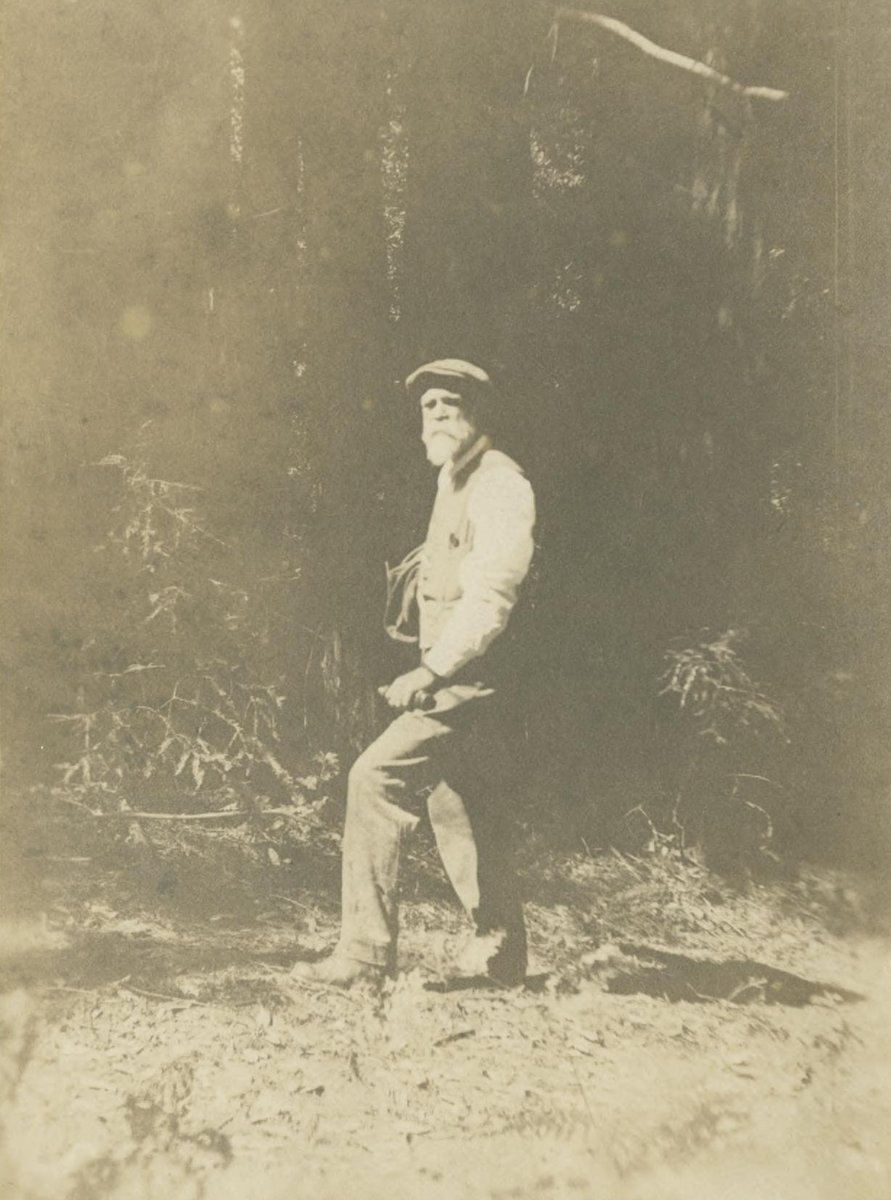
J. William Lloyd (1857–1940) was an American writer, poet, and independent thinker whose interests ranged from anarchism and social reform to mysticism and spiritual philosophy. Largely self-educated, he developed an unconventional outlook that found expression in both his literary work and his involvement in radical circles. In 1897, he founded the Comradeship of Free Socialists and contributed to the periodical The Free Comrade.
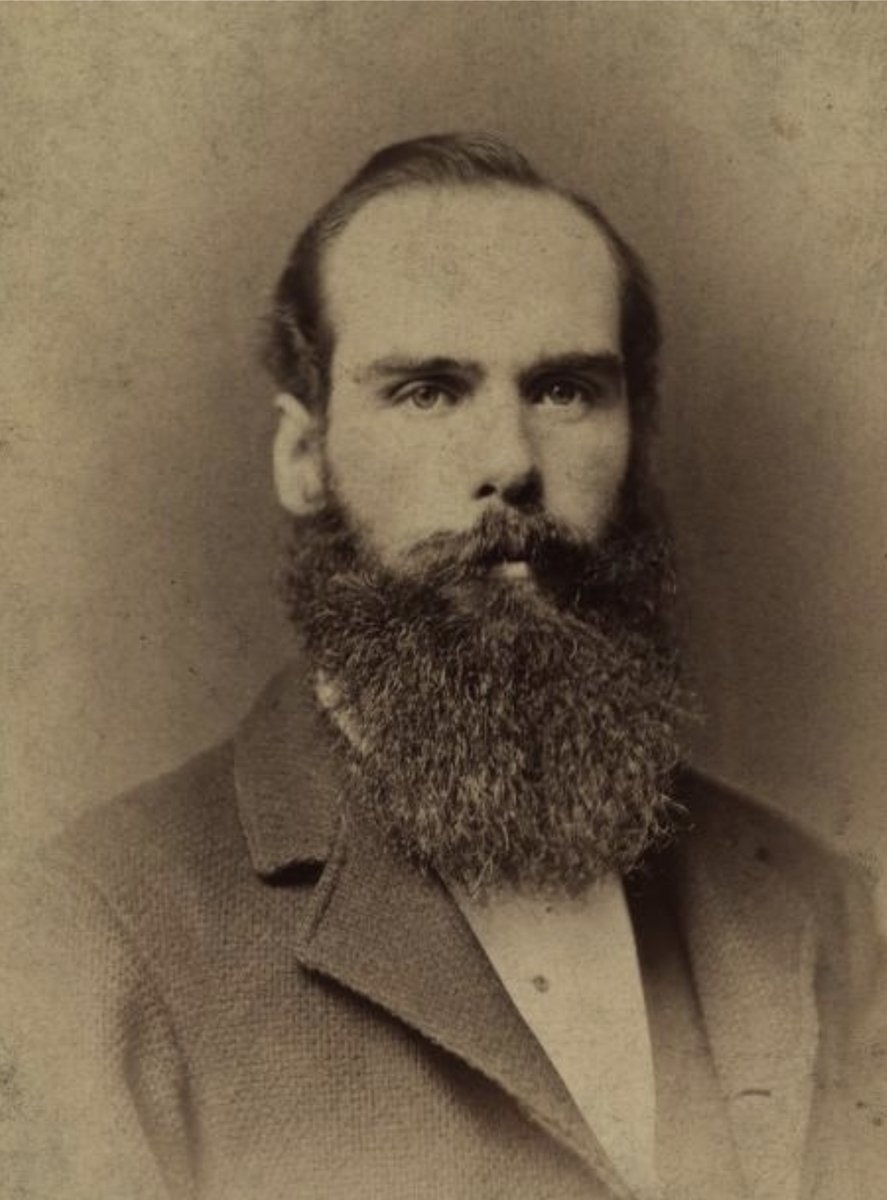
Late 1880s
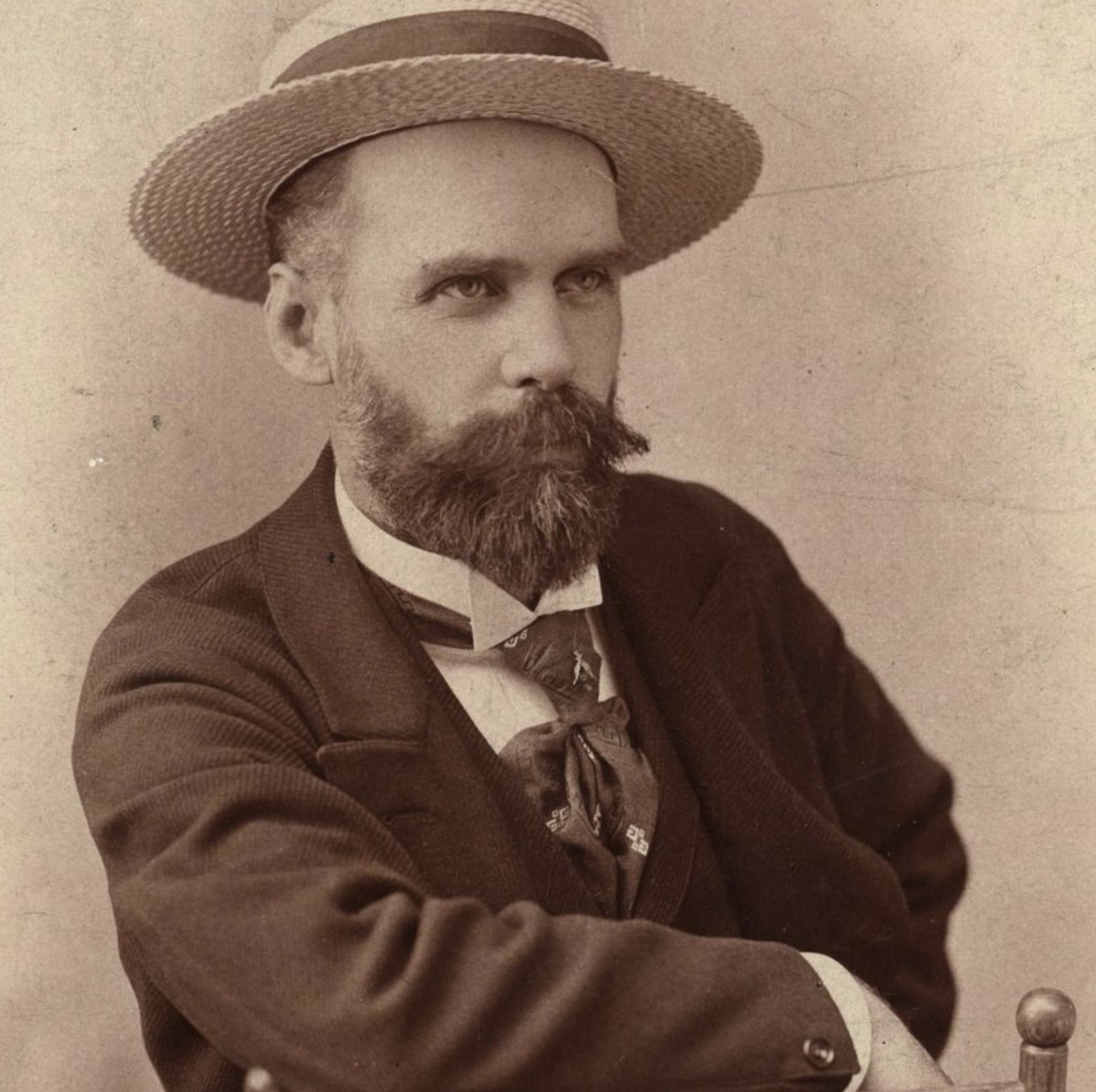
1895
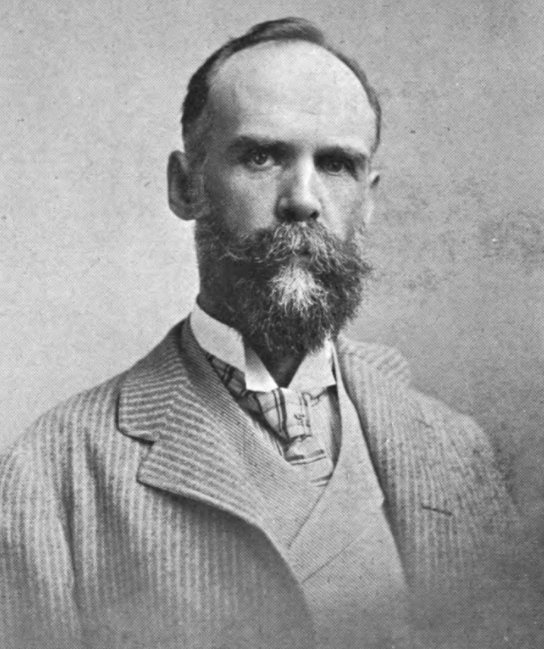
1904
His writings reflect the breadth of these interests. Among his books are Wind-Harp Songs (1895), The Red Heart in a White World (1898), The Natural Man: A Romance of the Golden Age (1902), and Aw-Aw-Tam Indian Nights (1911). Later works, including Eneres: Book of Life (1929) and The Karezza Method (1931), further reveal his sustained interest in alternative approaches to human relationships and spiritual life.
Selected Works
J. William Lloyd, 1895–1931
1895 Wind-Harp Songs
1898 The Red Heart in a White World
1900 Dawn-Thought on the Reconciliation the book Gibran read
1902 The Natural Man: A Romance of the Golden Age
1911 Aw-Aw-Tam Indian Nights
1929 Eneres: Book of Life
1931 The Karezza Method
In 1922, Lloyd settled in California, where he lived at a place he called “The Swallow’s Nest,” in Roscoe. It was there that he continued his literary and philosophical pursuits until his death.
• ❧ KGC ❧ •
II
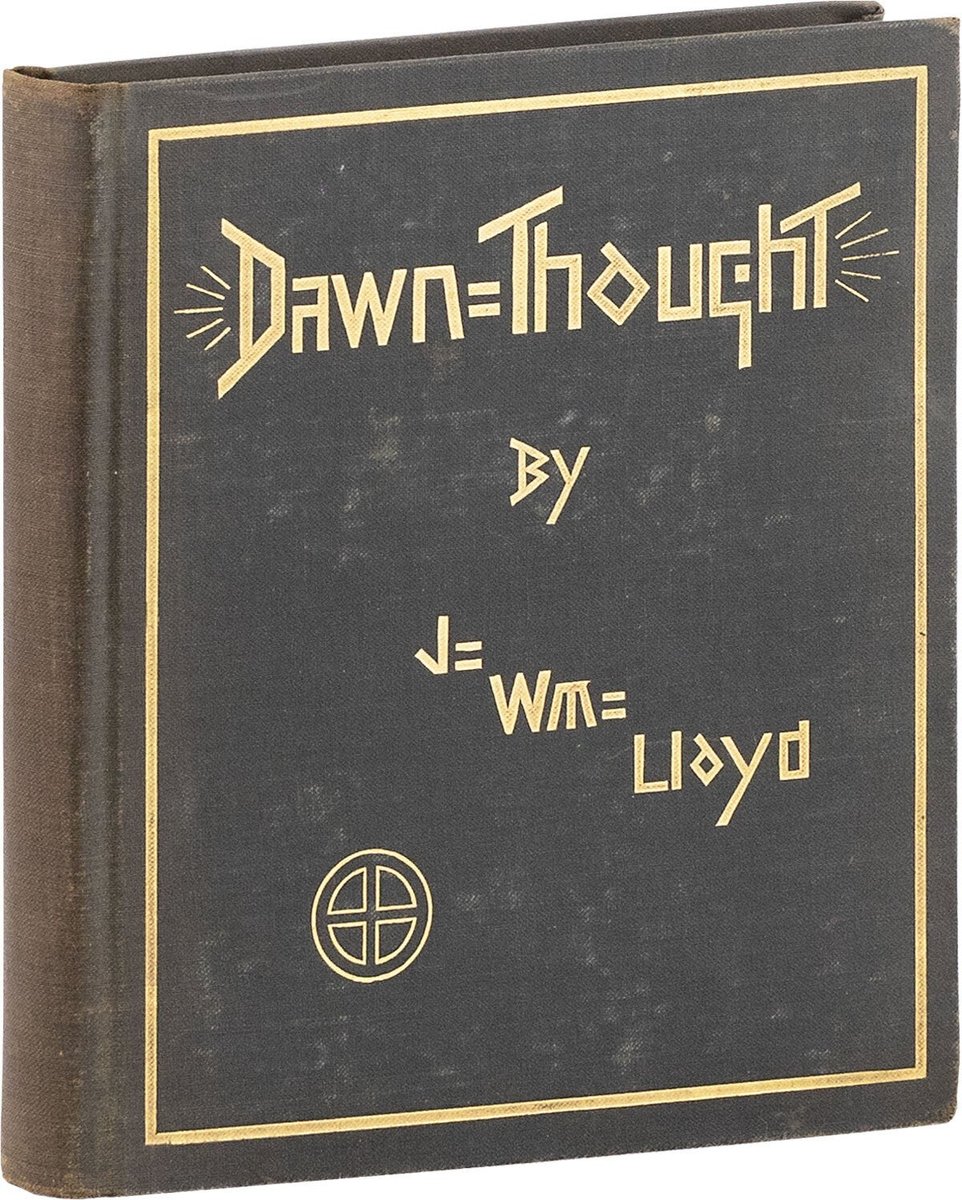
Among Lloyd’s works, Dawn-Thought on the Reconciliation: A Volume of Pantheistic Impressions and Glimpses of Larger Religion (Wellesley Hills, Mass.: Maugus Press, 1900) holds a distinctive place. The book brings together reflections on spiritual unity, the relationship between humanity and the natural world, and the possibility of overcoming divisions through a broader religious vision.
Its central concern is suggested by the subtitle itself: reconciliation. Lloyd’s pantheistic outlook sought to move beyond narrow religious boundaries and to encourage a more inclusive understanding of existence. This was the work that eventually reached Kahlil Gibran.
“One God, one law, one element”: the line from Tennyson that Lloyd set on his title page.
• ❧ KGC ❧ •
III
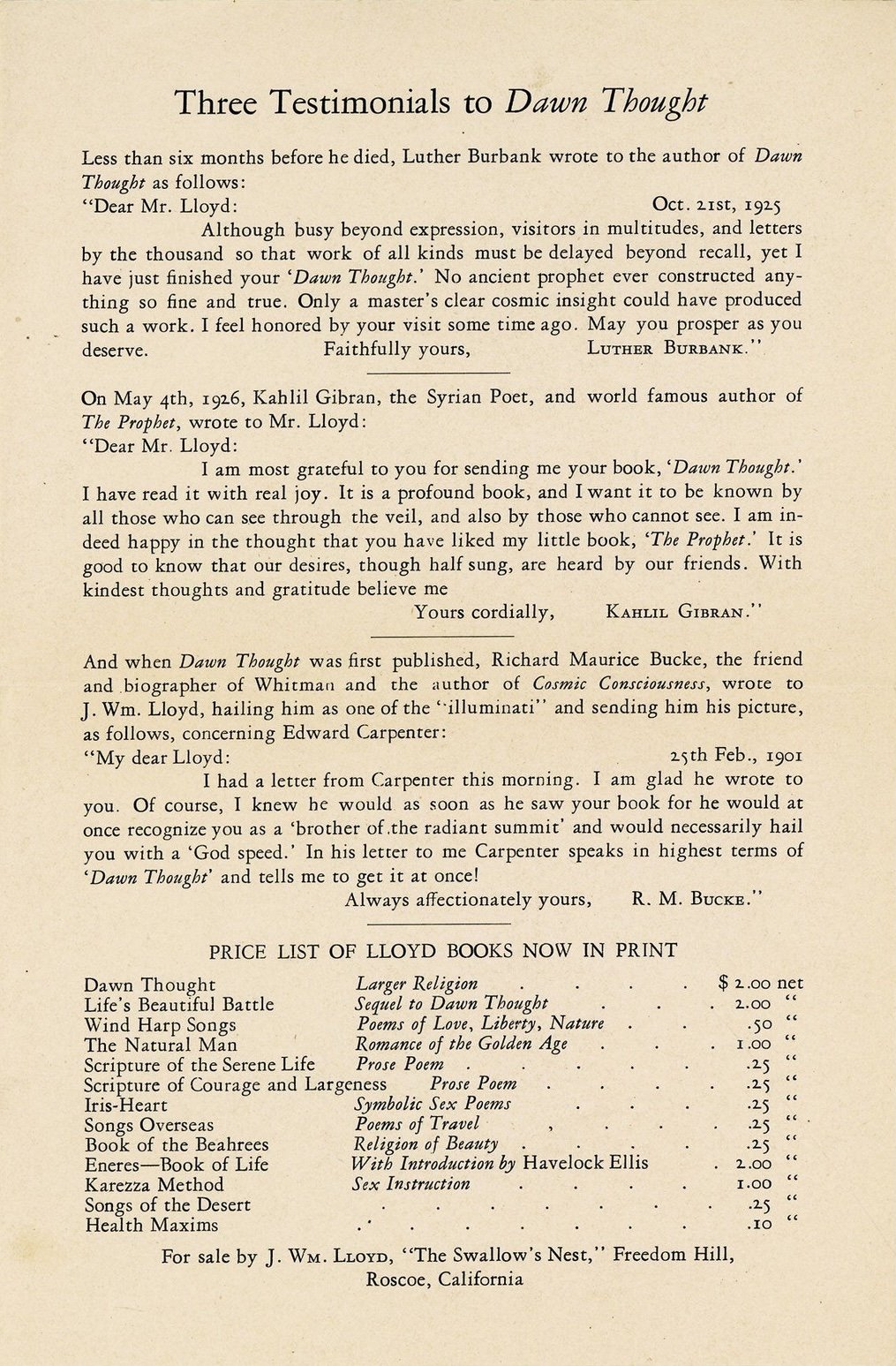
The surviving evidence of a connection between Gibran (1883–1931) and Lloyd is limited but significant. It consists of a letter written by Gibran on May 4, 1926, in response to receiving a copy of Dawn-Thought. The letter is reproduced on a printed sheet entitled “Three Testimonials to Dawn Thought,” together with statements by two other distinguished admirers of Lloyd’s work.
The Letter · 4 May 1926
Dear Mr. Lloyd:
I am most grateful to you for sending me your book, ‘Dawn Thought.’ I have read it with real joy. It is a profound book, and I want it to be known by all those who can see through the veil, and also by those who cannot see. I am indeed happy in the thought that you have liked my little book, ‘The Prophet.’ It is good to know that our desires, though half sung, are heard by our friends. With kindest thoughts and gratitude believe me
Yours cordially,
Kahlil Gibran
Transcribed from “Three Testimonials to Dawn Thought.” The original letter has not been located.
Gibran expressed sincere appreciation for the book: “I have read it with real joy. It is a profound book, and I want it to be known by all those who can see through the veil, and also by those who cannot see.” He also acknowledged that Lloyd had appreciated The Prophet, adding: “It is good to know that our desires, though half sung, are heard by our friends.”
The letter thus establishes a literary point of contact between the two authors. It confirms that Lloyd sent Gibran his book, that Gibran read and praised it, and that Lloyd had expressed appreciation for The Prophet. It does not, however, provide sufficient evidence to establish a personal meeting, a continuing correspondence, or a close friendship.
Reading the Evidence
What the 1926 letter shows, and what it cannot
Established
❧ Lloyd sent Gibran a copy of Dawn-Thought
❧ Gibran read the book and praised it
❧ Lloyd had told Gibran he admired The Prophet
Not established
— That the two men ever met
— That they kept up a correspondence
— That they were close friends
• ❧ KGC ❧ •
IV
The printed sheet containing Gibran’s letter is especially interesting because it places his testimony alongside those of Luther Burbank (1849–1926) and Richard Maurice Bucke (1837–1902), two figures associated with unconventional approaches to nature, spirituality, and human consciousness.
Luther Burbank
21 October 1925 · horticulturist
“No ancient prophet ever constructed anything so fine and true.”
Kahlil Gibran
4 May 1926 · poet and artist
“It is a profound book, and I want it to be known by all those who can see through the veil.”
R. M. Bucke
25 February 1901 · psychiatrist, author of Cosmic Consciousness
Carpenter “speaks in highest terms of ‘Dawn Thought’ and tells me to get it at once!”
Burbank’s letter, dated October 21, 1925, praises Dawn-Thought in striking terms. Despite his demanding schedule, he writes that he has just finished reading the book and declares: “No ancient prophet ever constructed anything so fine and true.” He also recalls a previous visit from Lloyd, providing evidence that the two men had met.
Bucke’s contribution, dated February 25, 1901, refers to the favourable opinion of the English writer Edward Carpenter (1844–1929), who had apparently read Dawn-Thought and urged Bucke to obtain a copy. Bucke describes Lloyd as one of the “illuminati” and speaks of him with evident affection. His letter offers a glimpse of the intellectual and spiritual circles in which Lloyd’s work circulated.
The sheet was evidently produced as a promotional item at a later date and inserted into a copy of the book; it is not part of the original 1900 edition. Its price list includes Dawn-Thought, offered for sale at two dollars, and the three testimonials serve to highlight the esteem in which the book was held by prominent contemporary figures.
Editor’s note
The price list includes The Karezza Method, published in 1931, and the sheet introduces Burbank’s letter as written “less than six months before he died” (Burbank died in April 1926). The sheet therefore cannot have been printed before 1931, which places it after Gibran’s death in April of that year.
A Chronology
1857 J. William Lloyd is born.
1883 Kahlil Gibran is born in Bsharri.
1900 Dawn-Thought is published by the Maugus Press.
25 Feb 1901 Bucke writes to Lloyd about Carpenter’s praise.
1922 Lloyd settles at “The Swallow’s Nest,” Roscoe, California.
1923 Knopf publishes The Prophet.
21 Oct 1925 Burbank writes to Lloyd.
4 May 1926 Gibran writes to Lloyd.
10 Apr 1931 Gibran dies in New York.
1931 or later “Three Testimonials” sheet printed.
1940 Lloyd dies in California.
Among them, Gibran’s letter is particularly noteworthy. Though it cannot establish the extent of any personal relationship between the two writers, it preserves a direct and cordial response by the author of The Prophet to a work whose vision of spiritual reconciliation clearly resonated with him.
“…all those who can see through the veil, and also by those who cannot see.”
The words “those who can see through the veil” acquire, in this context, a special significance: they offer a fitting point of convergence between two writers separated by background and experience, yet drawn to questions of spiritual insight and human unity.
Further Reading
❧ “Our Children” vs. “Your Children”: A Poetic Contest between Nahas and Gibran (Francesco Medici, KGC)
❧ Twenty Drawings: Gibran’s Concept of Beauty (Francesco Medici, KGC)
❧ Dawn-Thought on the Reconciliation, full text (HathiTrust)
❧ J. William Lloyd, “A Brief Sketch of the Life of J. William Lloyd” (1940)
❁
All Rights Reserved © Copyright Francesco Medici 2026