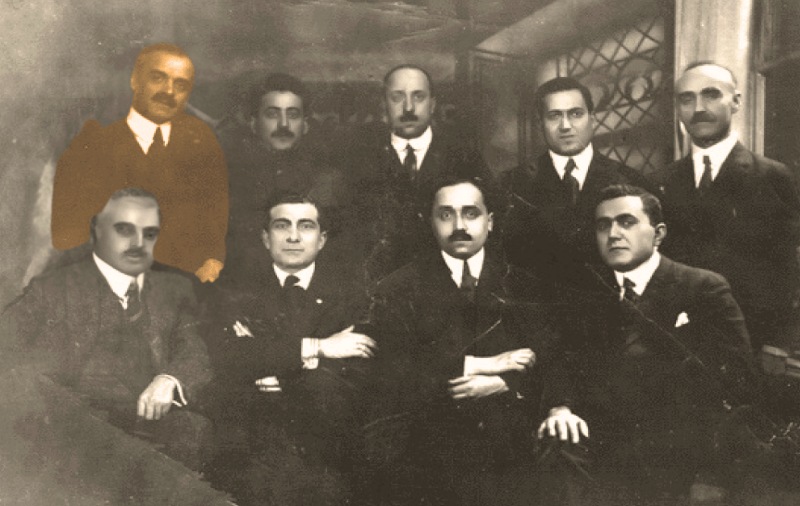
They called him the Complaining Poet. When Rasheed Ayoub published his second collection in New York in 1928, Gibran designed the frontispiece, decorated the pages, and painted something new for it. By Francesco Medici ...
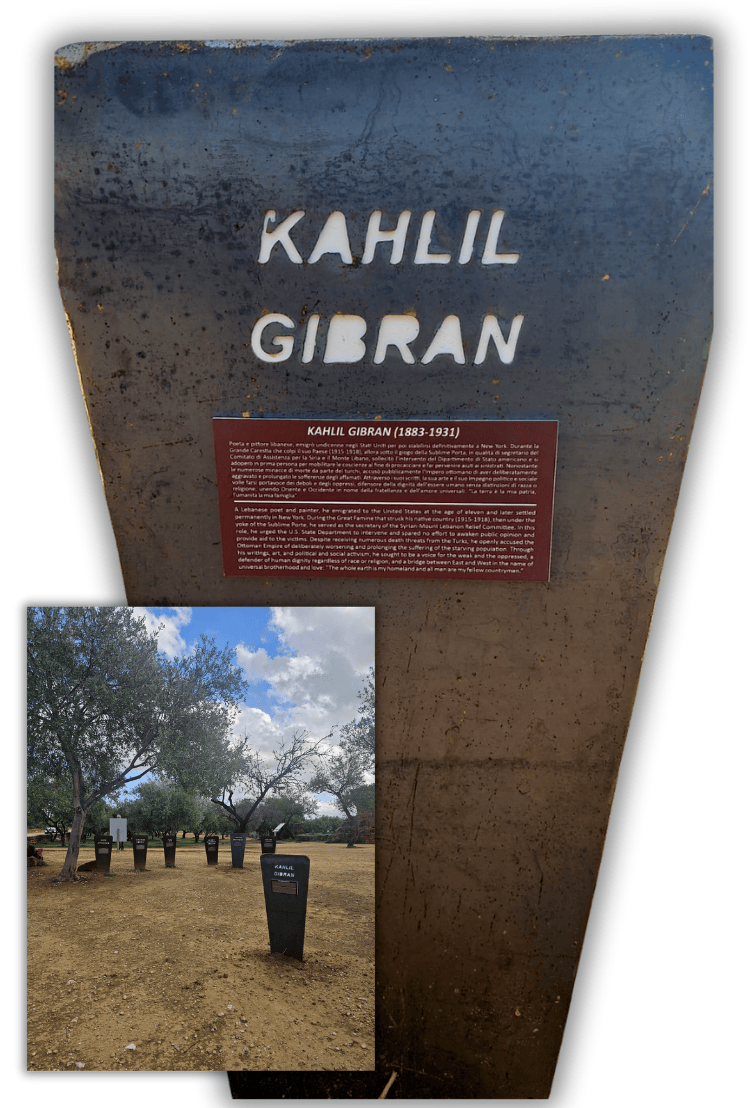
The monuments to Gibran around the world honour the poet. A stele unveiled in the Valley of the Temples at Agrigento honours something else — what he did during the famine of 1916. By Glen Kalem-Habib ...
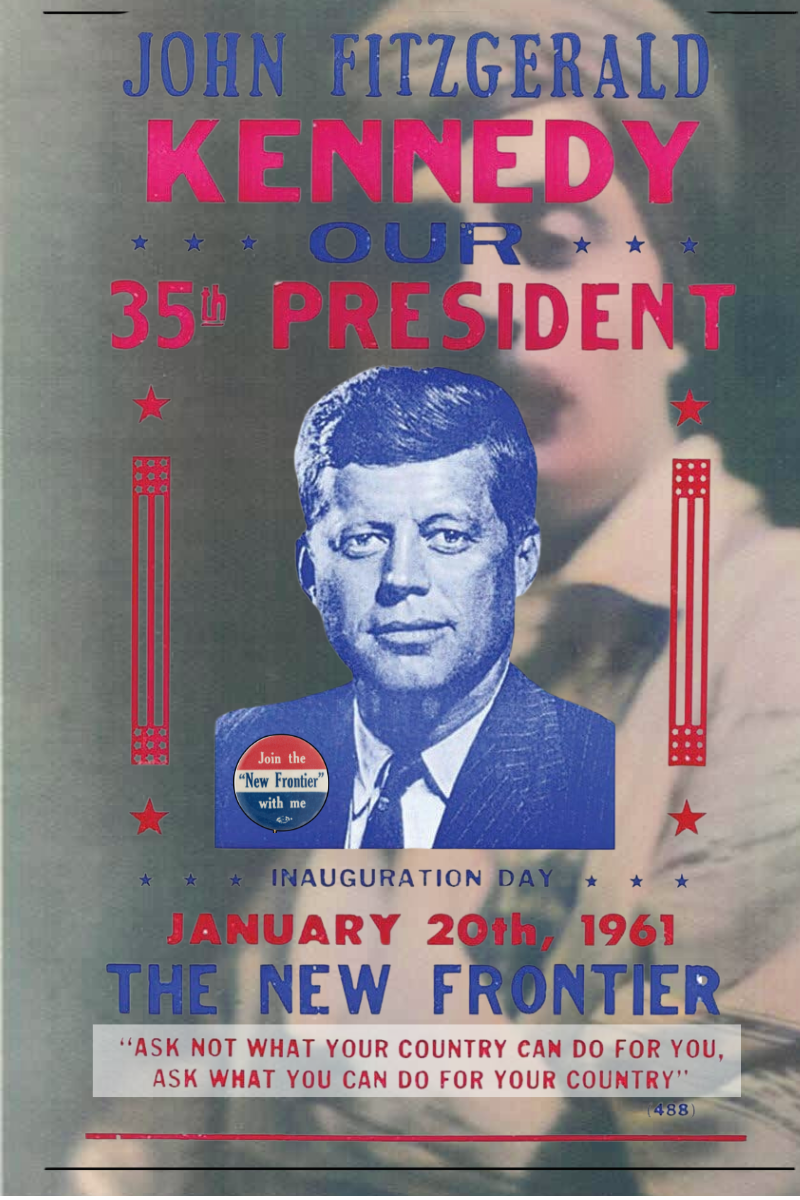
Did Kennedy borrow his most famous line from Gibran? For decades the claim has circulated as fact. Glen Kalem-Habib follows Ernest Tanis’s five-year investigation through two rival translations, an Egyptian magazine of 1921, and a speech by Oliver Wendell Holmes Jr. By Glen Kalem-Habib · based on the essay “Ask Not” by Ernest G. Tanis ...
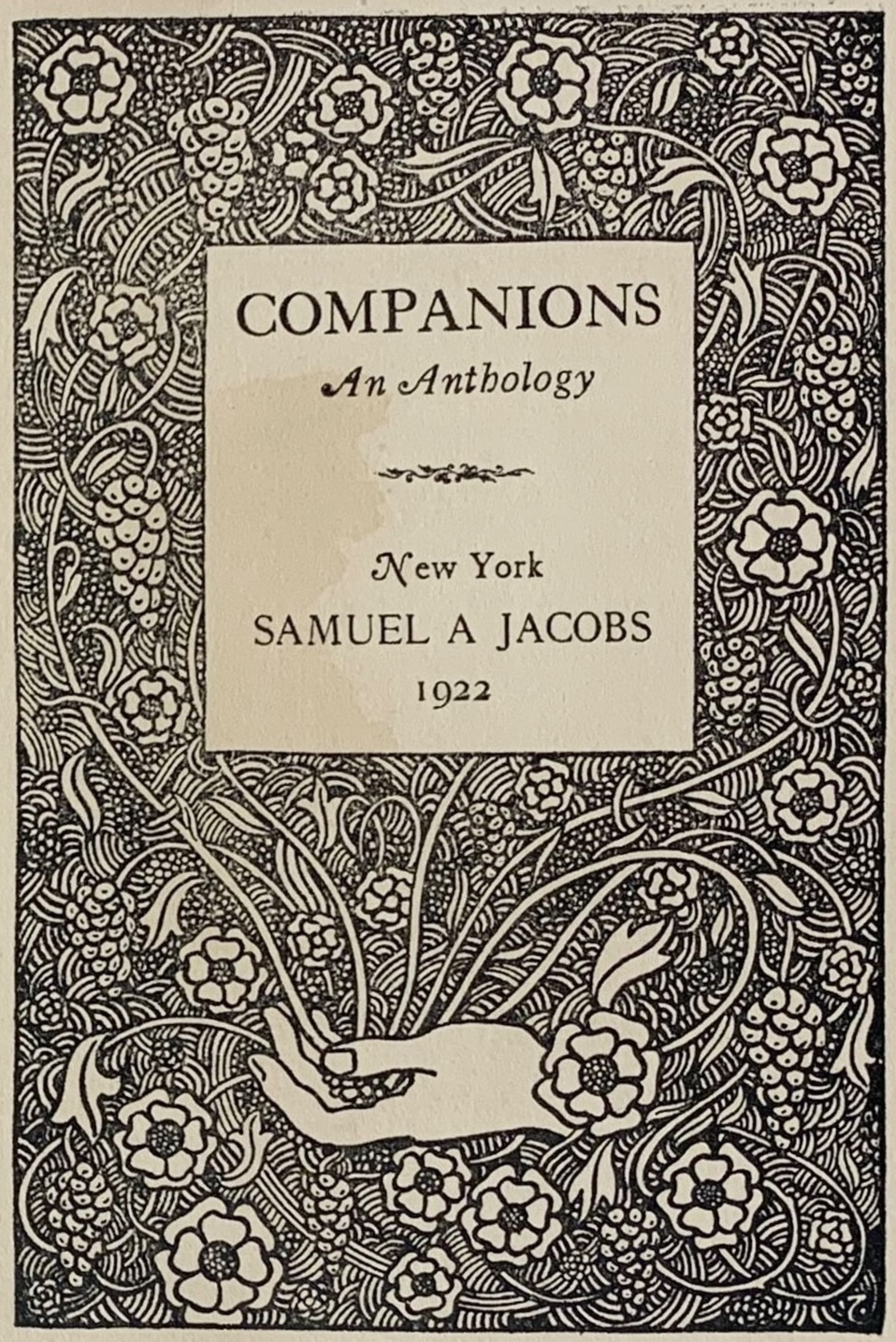
A slim anthology privately printed in Greenwich Village in 1922 carries decorations signed “Khalil Gebran”. Its printer was an Assyrian typographer who designed Syriac fonts, set E. E. Cummings, and wrote an afterword for Aleister Crowley. By Francesco Medici ...
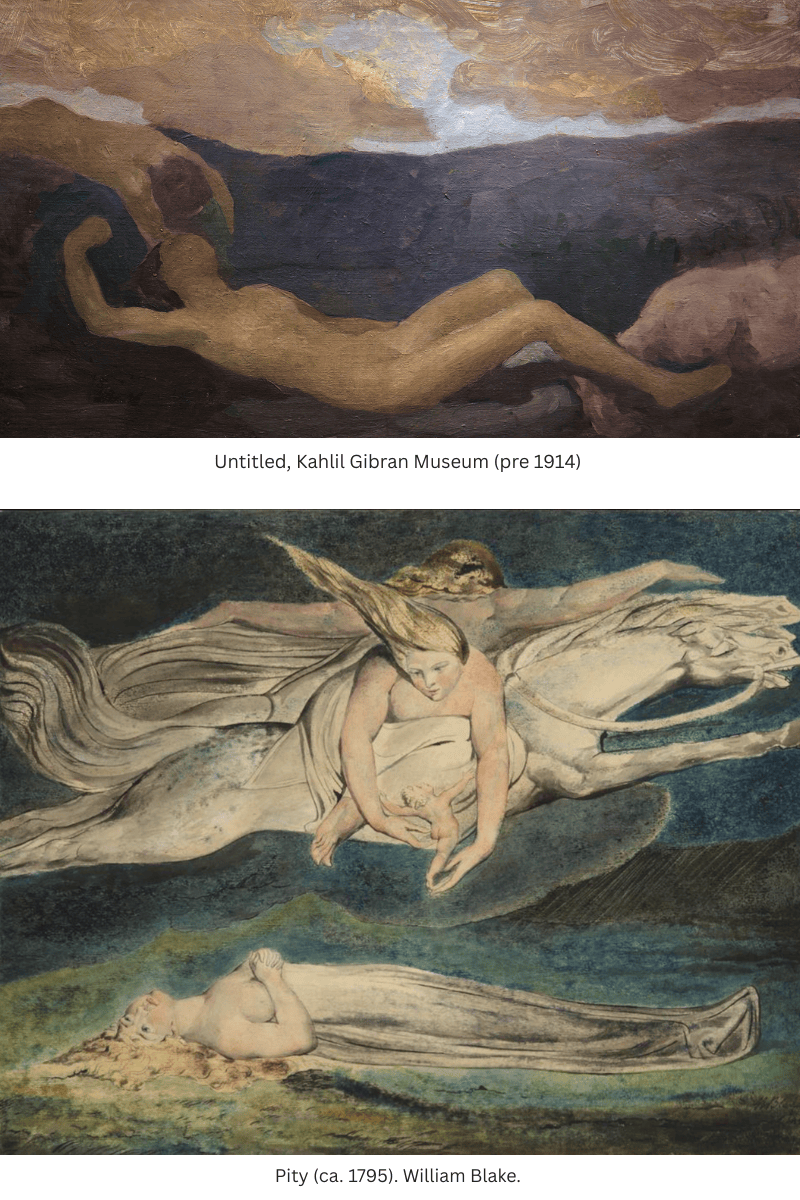
Mist, fog and cloud run through everything Gibran painted and much of what he wrote. Eddy Choueiry follows that thread through the paintings — and through Blake, Turner, Carrière and Rodin — to ask what Gibran’s style actually was. By Eddy Choueiry ...
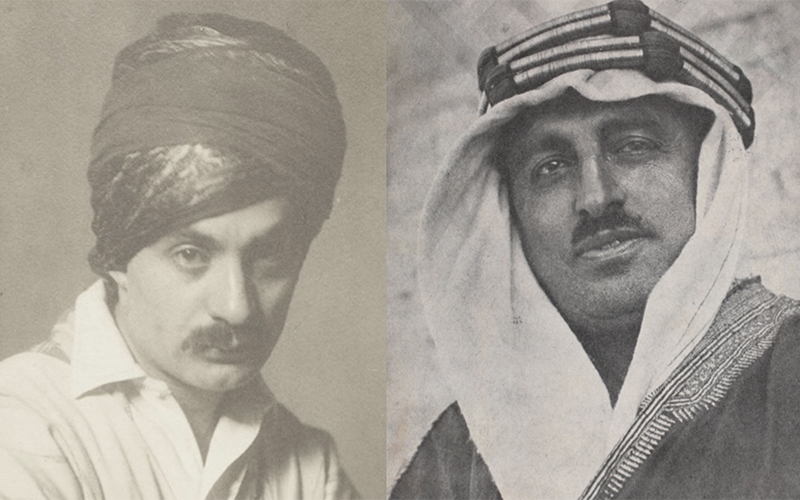
A London costume dinner in 1910, held to raise funds for the newly founded Poetry Society, lists among its guests “two Moorish gentlemen in characteristic attire”. Francesco Medici and Glen Kalem-Habib know who they were. By Francesco Medici and Glen Kalem-Habib · 12 July 2025 ...
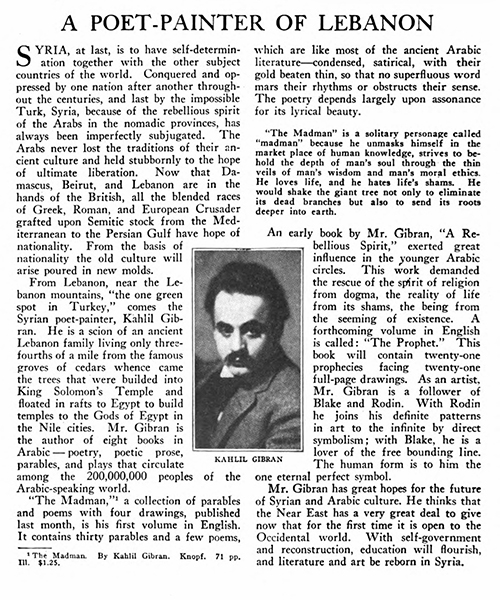
A 1919 notice in a New York monthly describes a Syrian poet-painter and mentions, in passing, a forthcoming volume to be called The Prophet — four years before it appeared. By Philippe Maryssael ...
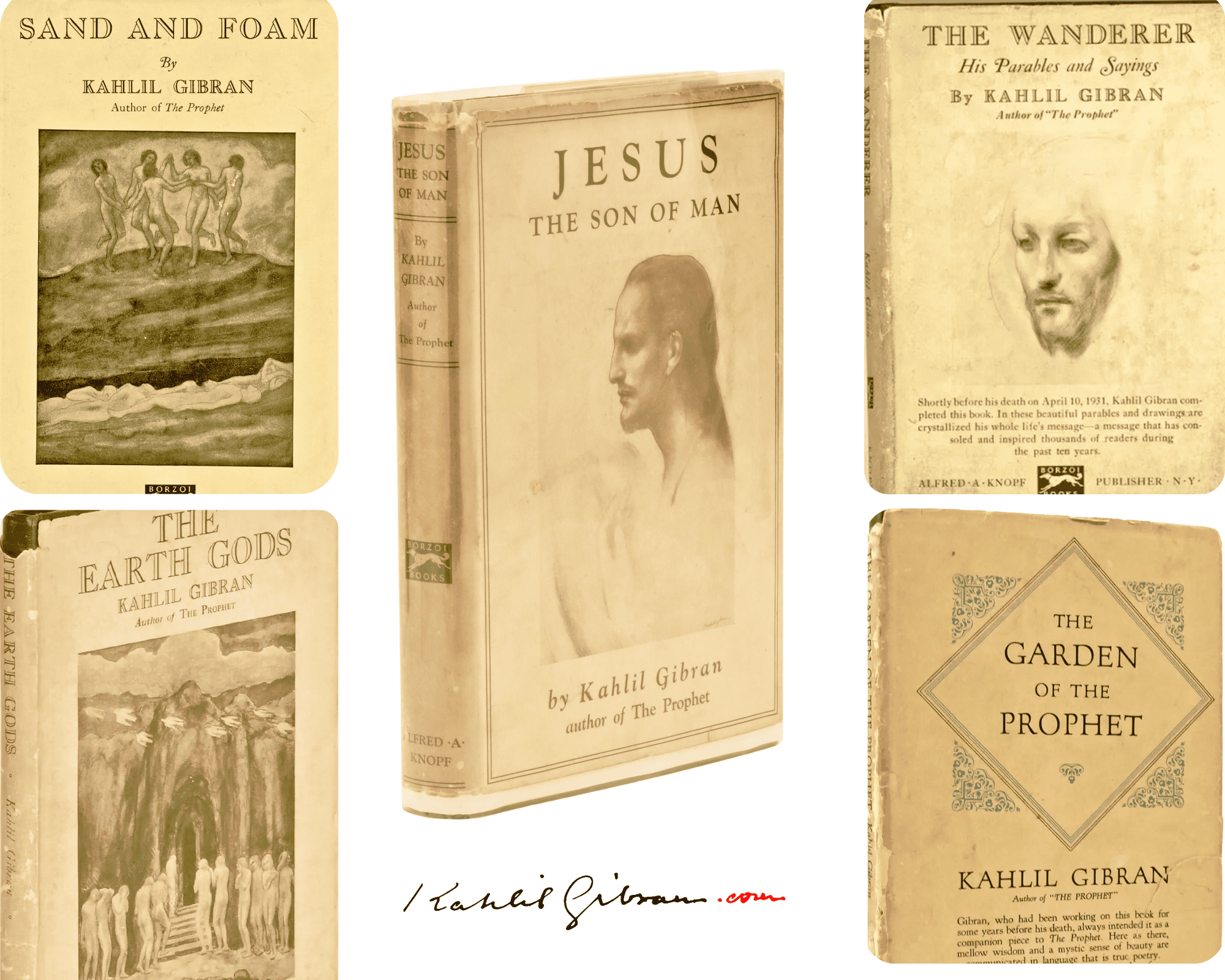
Which of Gibran’s books can you legally reprint, adapt or hand out? The answer depends on the year, the country, and whether somebody remembered to file a renewal in the 1950s. A practical guide. By Glen Kalem-Habib ...
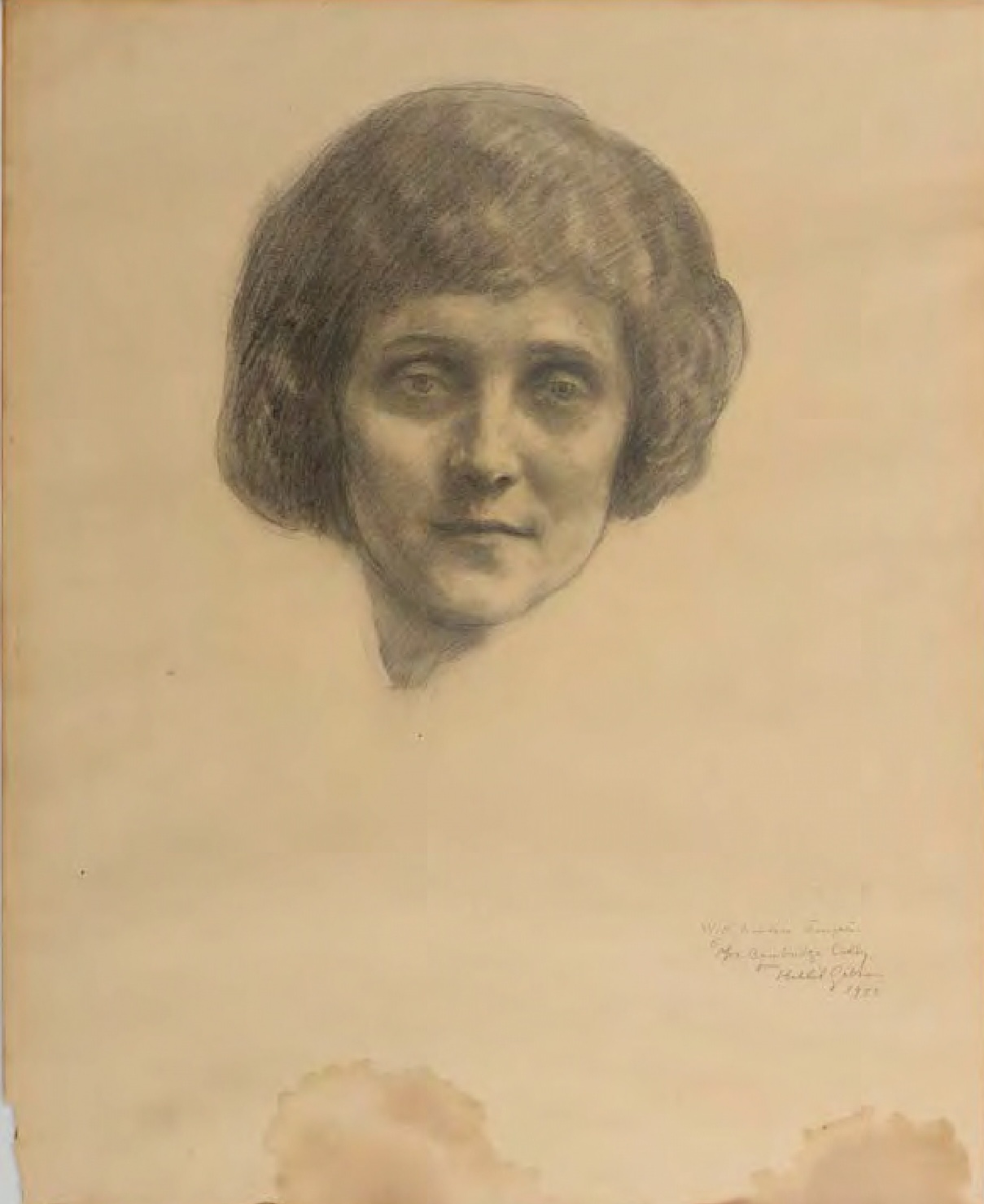
The wife of Woodrow Wilson’s Secretary of State sat for Gibran in 1922. Sixteen years later she wrote down what she remembered of him — the robes, the studio, the eyes. By Francesco Medici and Glen Kalem-Habib ...
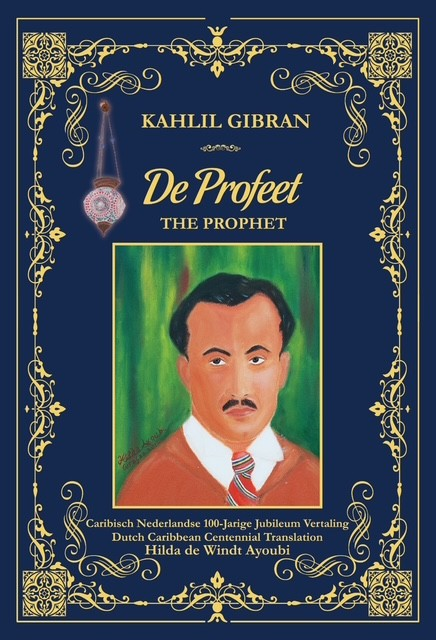
Ten years ago she gave The Prophet to the Papiamento-speaking islands. Now Hilda de Windt-Ayoubi has translated it into Dutch, and dedicated the book to the five women who shaped Gibran’s life. By Arthur Blok · via The Liberum, 24 December 2024 ...
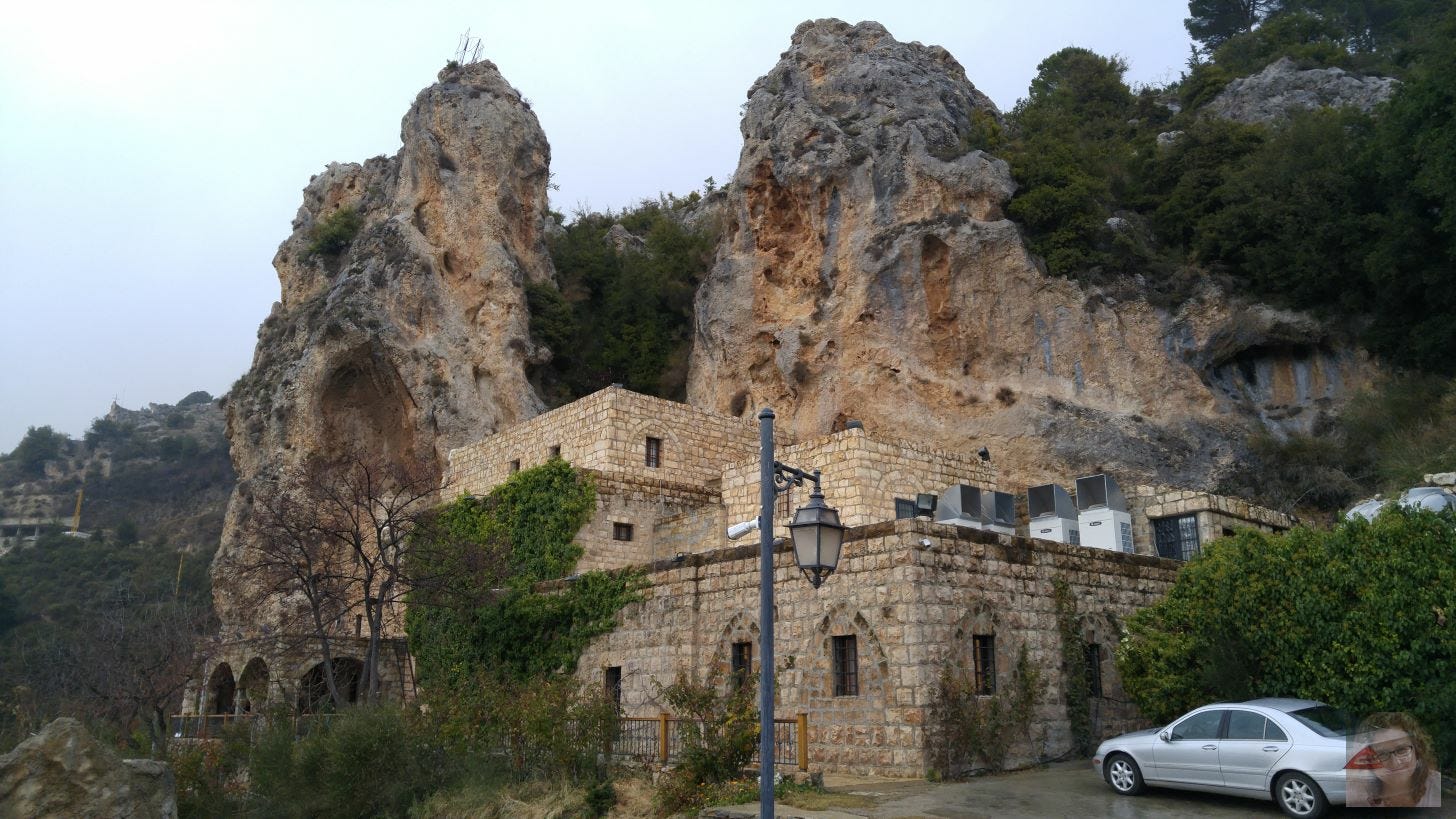
An invitation to speak in Beirut about Mary Haskell Minis took Tania Sammons to Lebanon, and from there up the mountain road to Bsharri — to the monastery Gibran had wanted as his museum, and to the room where he lies. By Tania Sammons ...

A prophet collapses under a desert tree, having asked to die. Paul Chandler looks at how Ferdinand Bol painted that moment — and finds the same lesson in a short story by Gibran. By Paul G. Chandler · reposted from paulgchandler.com ...
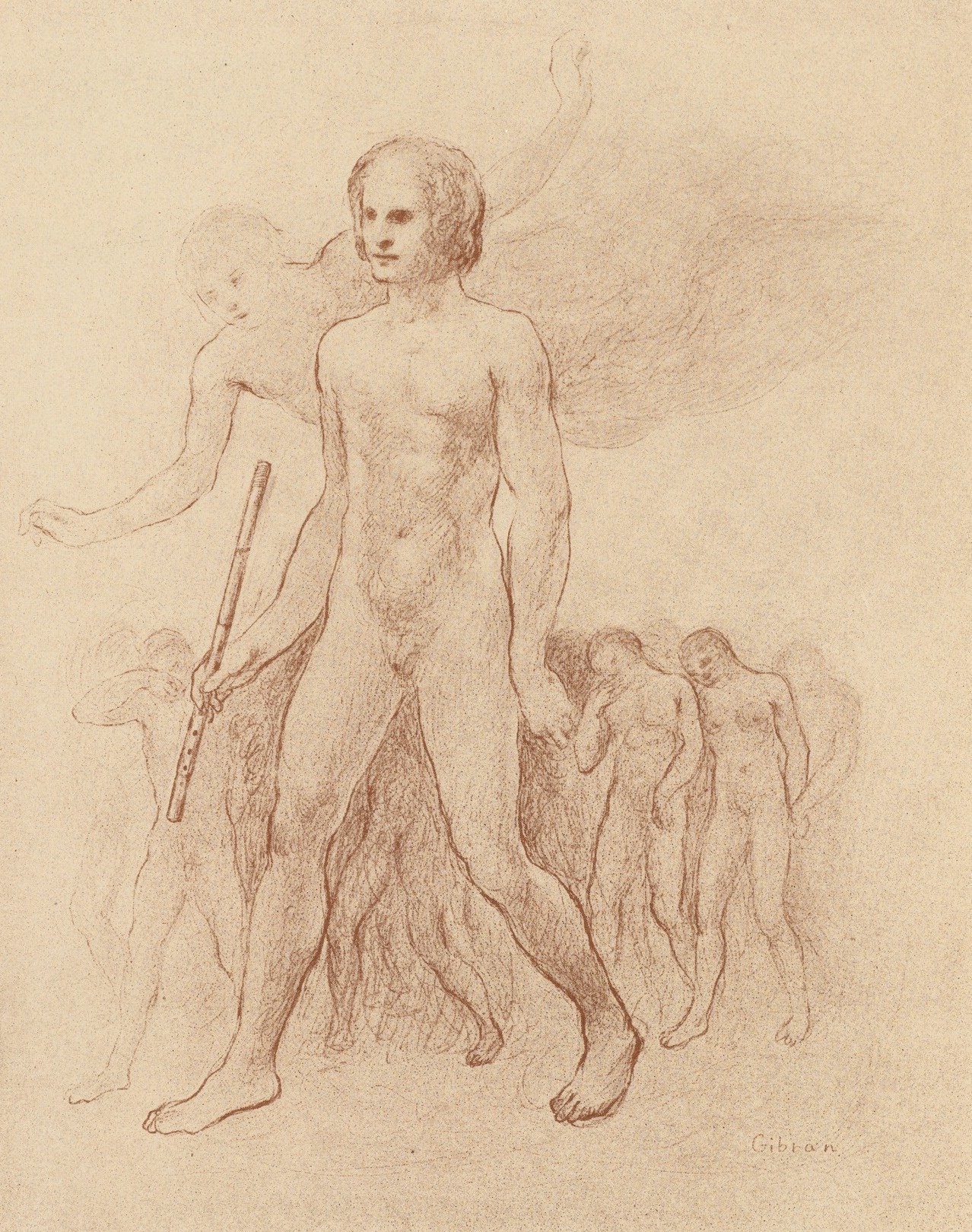
A two-volume anthology published in New York in 1921 asked American poets to render folk songs of the world into English. Three Lebanese songs went to Gibran; three more to Ameen Rihani. By Francesco Medici ...

An unfinished Gibran drawing surfaced at a Midwest auction house, inscribed “Rosalind”. The sitter was almost certainly Rose Cecil O’Neill — the woman who invented the Kewpie doll and drew for the suffrage movement. By Glen Kalem-Habib ...
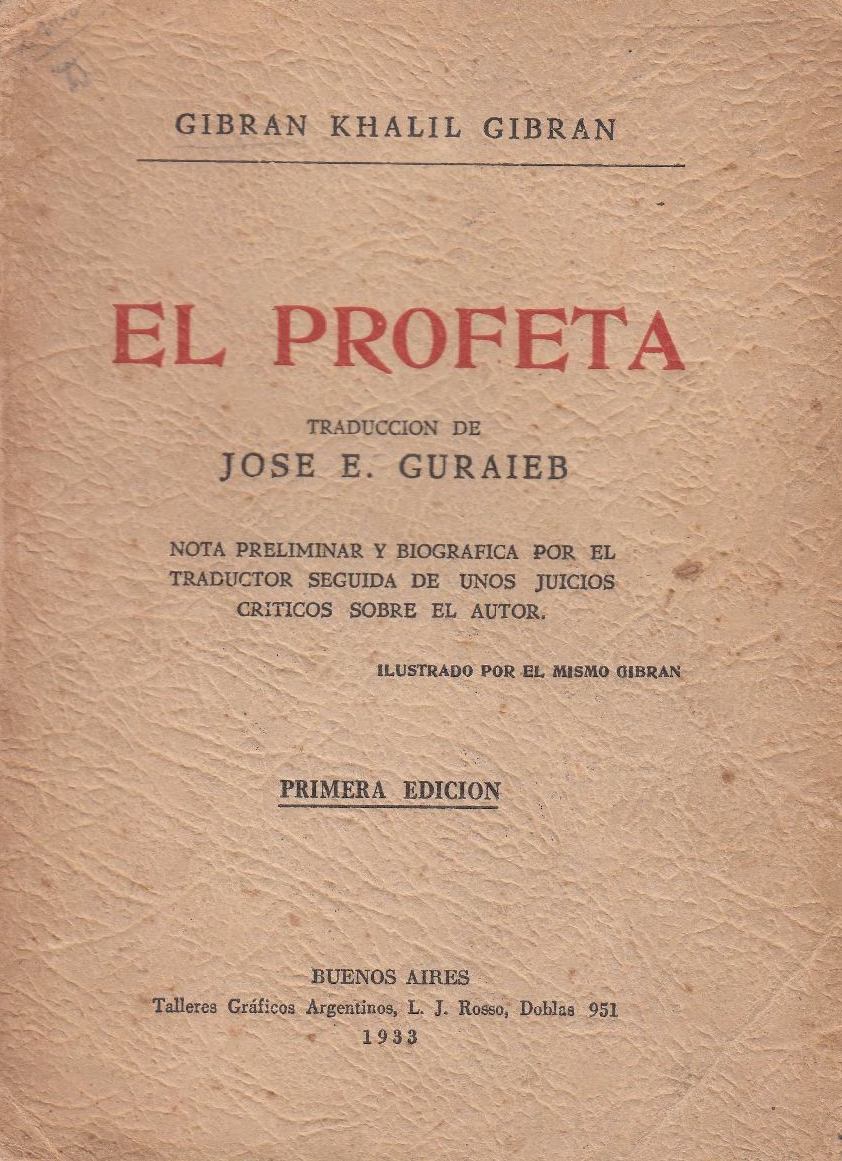
Born in Syria, raised in the sugar country of Tucumán, José Elias Guraieb spent half a century carrying Gibran into Spanish — with permission obtained through an uncle who had been Gibran’s first editor. By Francesco Medici ...
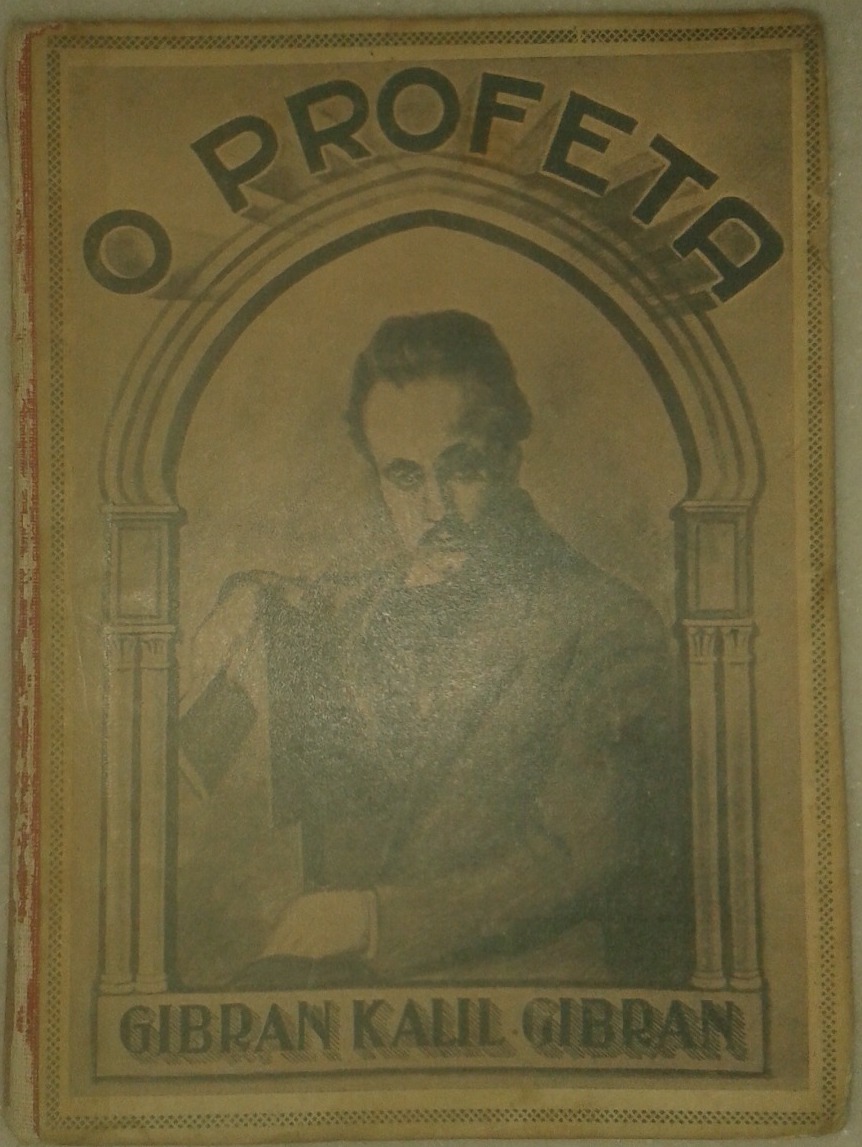
A man from Bsharri who emigrated to Brazil set about turning Gibran’s Arabic into Portuguese. In 1920 three copies of the finished book reached New York, and Gibran wrote back. By Francesco Medici ...
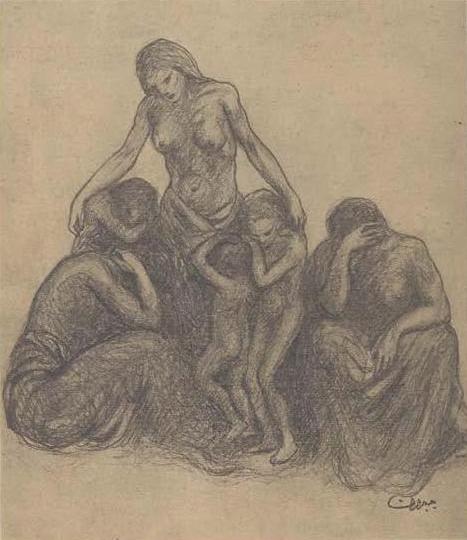
Eighty thousand dead in Mount Lebanon by the summer of 1916, and Gibran — secretary of the relief committee in New York — writing to the US Secretary of State. Francesco Medici publishes the correspondence, the press dispatches, and the ship’s manifest. By Francesco Medici ...
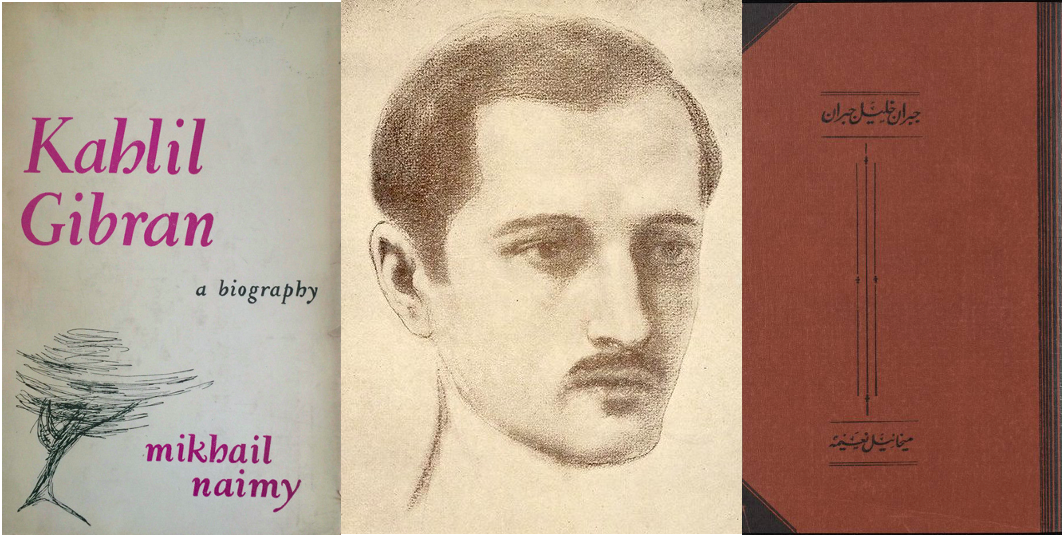
Naimy sat with Gibran through his last five hours and closed his eyes. Three weeks later, at Roerich Hall in New York, he stood before Gibran’s friends and read them a poem. By Francesco Medici and Glen Kalem-Habib ...
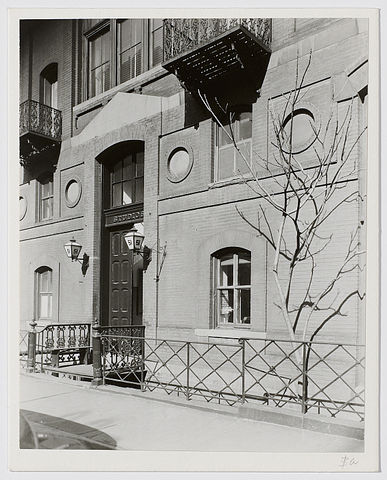
In August 1918 a Bureau of Investigation telegram from Pittsburgh named Gibran a suspected Bolshevik. Two agents searched his studio at 51 West Tenth Street while he was away on holiday. Francesco Medici has the file. By Francesco Medici ...
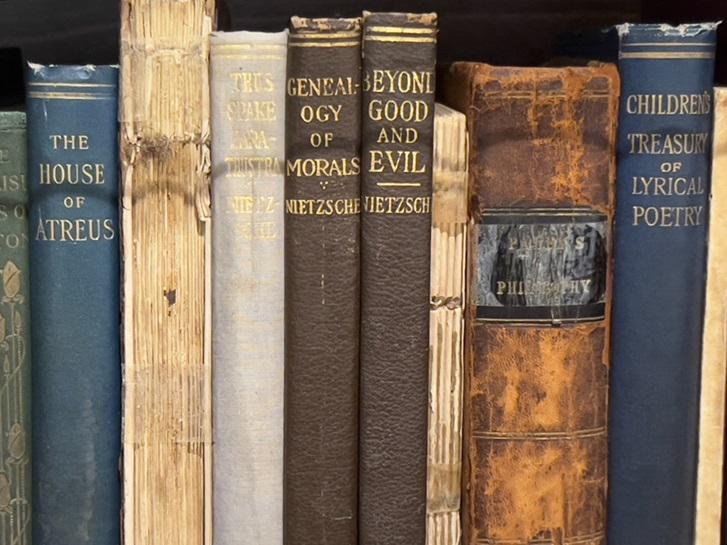
Gibran read Nietzsche closely — but had he read the essay that seems to stand behind “The Three Ants”? Eddy Choueiry went to the Gibran Museum in Bsharri and put ultraviolet light on the shelves to find out. By Eddy Choueiry · Reposted from The Liberum ...