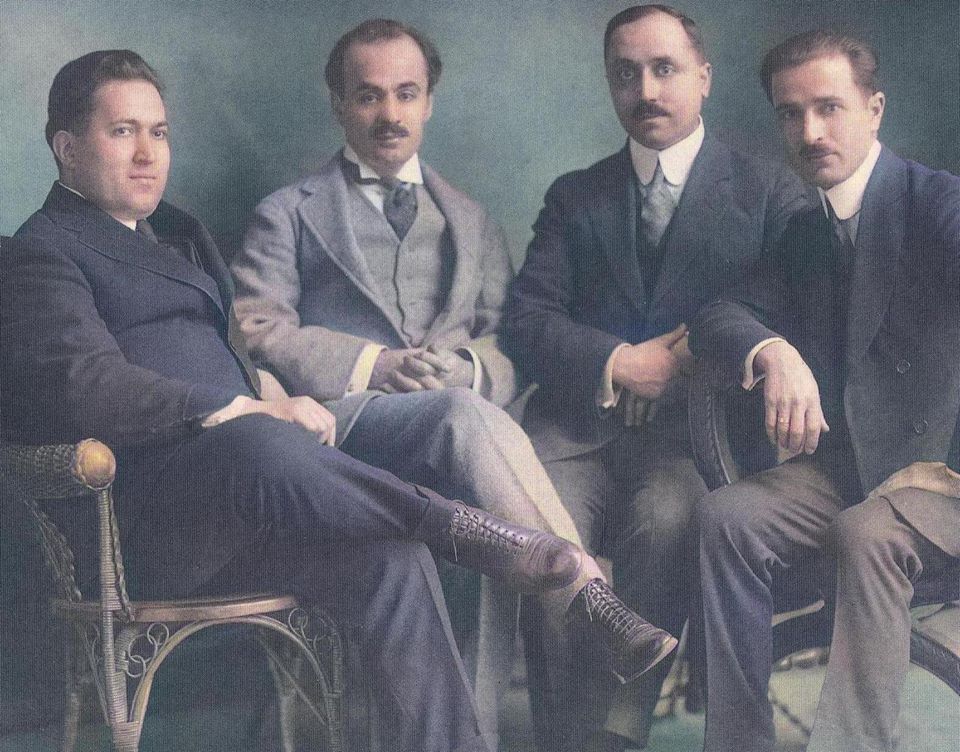
The Pen Bond published a single anthology in its short life. Buried in the 1921 volume is a poem written jointly by Gibran, Naimy, Aridah and Haddad — four hands, one voice — and all but forgotten since. Edited by Francesco Medici ...
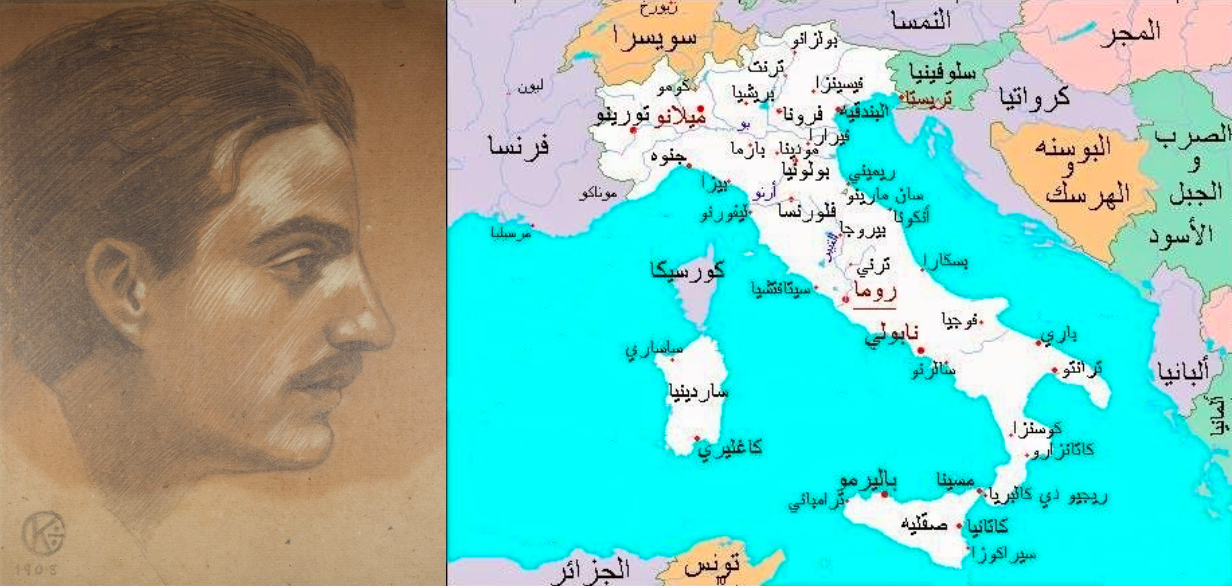
Mary Haskell’s first words to Gibran were a guess at his nationality: French, or Italian? He spent his life half-answering. He loved Leonardo and Michelangelo, planned trips to Rome and Venice that never happened, and kept Italian paintings in his New York studio — yet never once set foot in Italy. By Francesco Medici ...
Marcel Proust filled in a friend’s album of questions as a young man, and the form took his name. Decades later, in Arabic, Kahlil Gibran answered a version of the same list — favourite poets, the era he would live in, the country. His answers survive in a 1947 Beirut book. By Francesco Medici · Translated into English by Nadine Najem ...
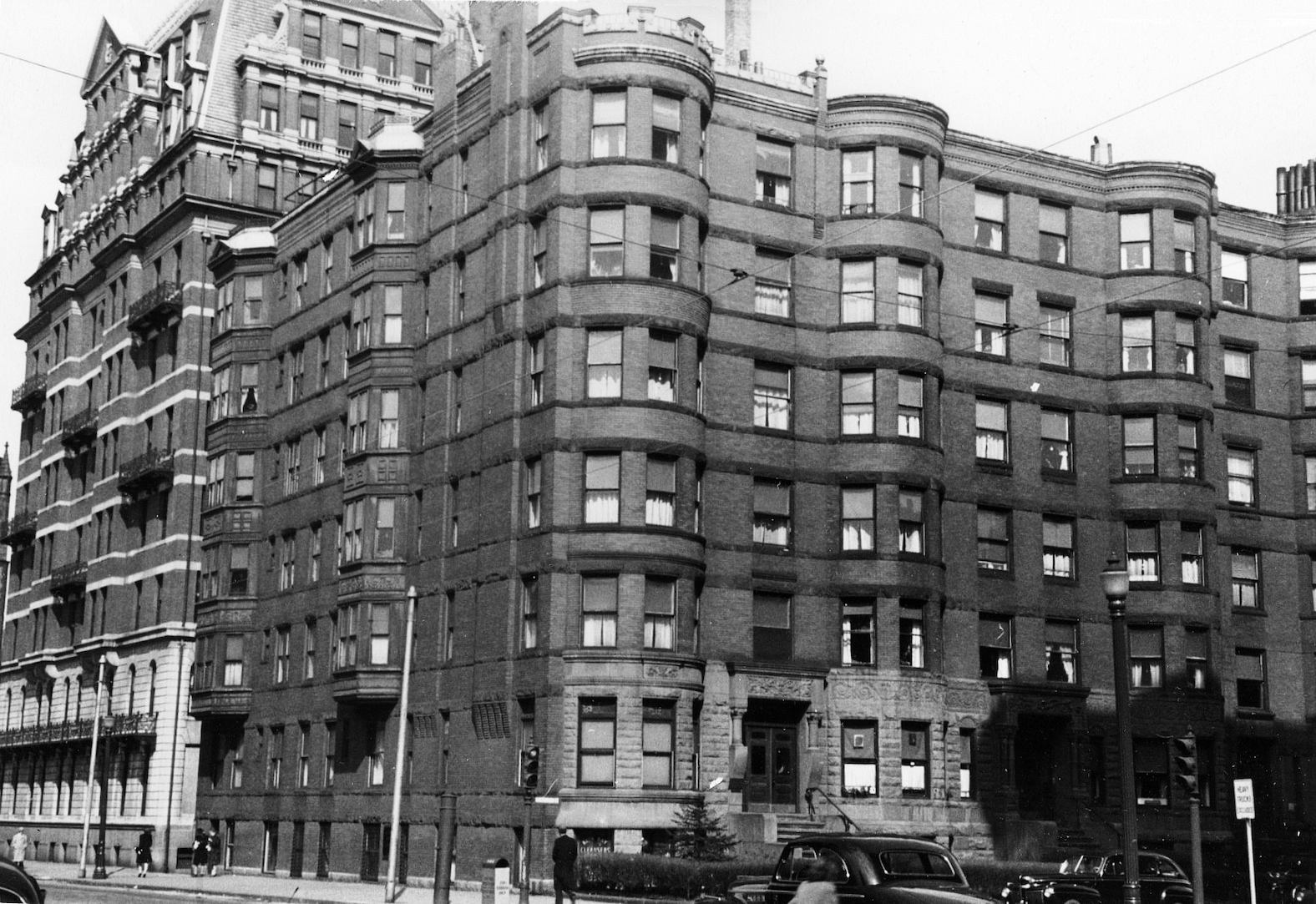
In 1924 Gibran and his friend Faris Malouf bought two seven-storey apartment buildings on Marlborough Street, Boston. Within a year the tenants had defaulted, Mary Haskell had lent six thousand dollars, and Gibran was writing to Naimy about the worst month of his life. By Charles Malouf Samaha ...
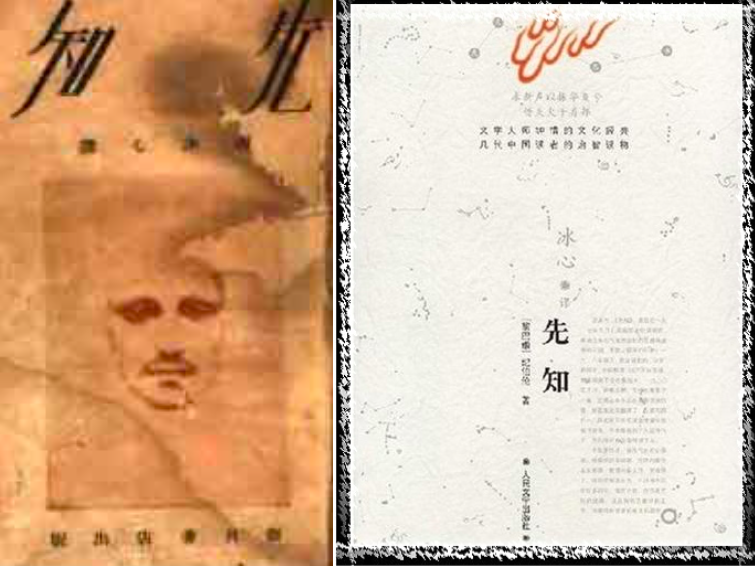
Gibran reached China before he reached most of Europe. Between 1923 and 1931 a handful of young writers — several of them future leaders of the Communist Party — carried his parables into Chinese, until Bing Xin gave The Prophet the translation that has lasted a century. By Francesco Medici ...
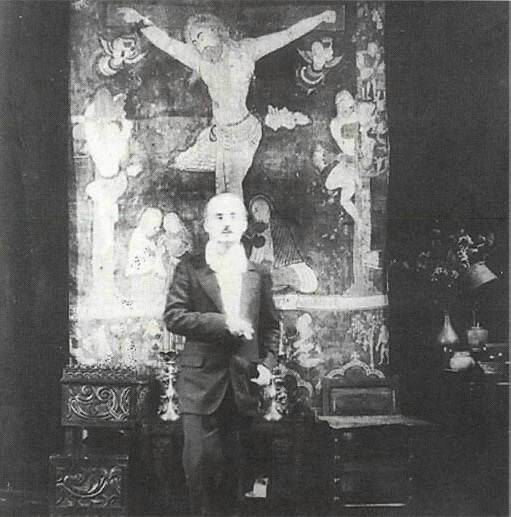
In 1916, as the Armenian Genocide unfolded and famine took eighty thousand in Mount Lebanon, Gibran served as secretary of the Syrian–Mount Lebanon Relief Committee. He wore an Armenian ring and hung a twelfth-century Armenian crucifixion in his studio. Francesco Medici traces the bond. By Francesco Medici · Introduction by Glen Kalem-Habib · Translated into English and Arabic by Nadine Najem ...
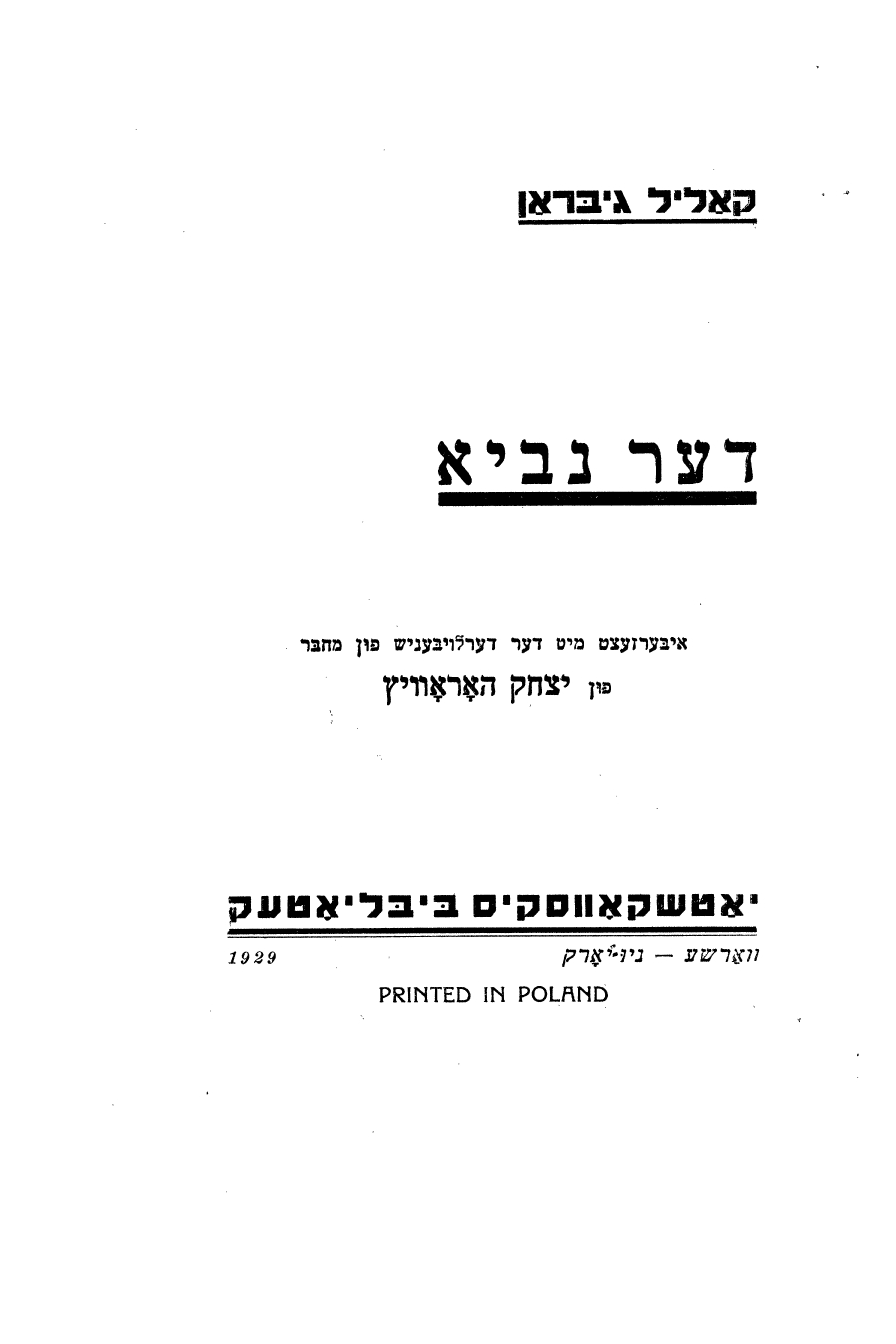
In 1928 a Yiddish translator wrote to Gibran from Boston with a preface and a photograph. Gibran wrote back, warmly. A year later Der Novi appeared in Warsaw and New York — and the letter that made it possible surfaced at auction in 2017. By Francesco Medici ...
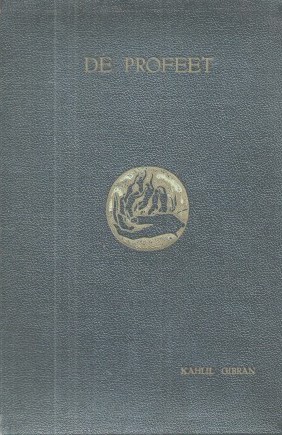
Four years after The Prophet appeared in New York, a small independent house in The Hague brought it into Dutch. The publisher was twenty-seven; Gibran wrote to thank him, and to offer his friendship. By Francesco Medici ...
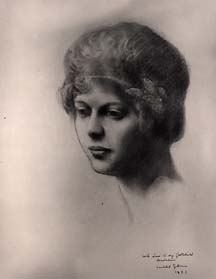
When Kahlil Gibran published The Prophet in New York in September 1923, he could scarcely have imagined that within two years it would already be crossing into European languages. This article traces the story of the two earliest European translations — German (1925) and French (1926) — and the remarkable individuals who made them. By Francesco Medici · 13 April 2020 ...
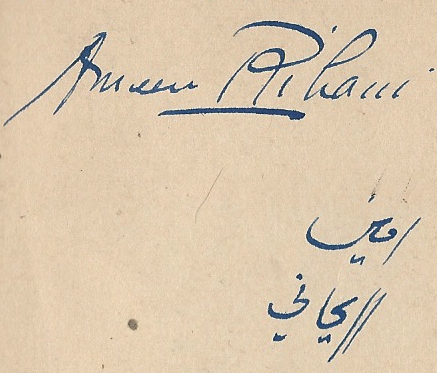
Mary Haskell believed handwriting revealed the soul. In 1944, thirteen years after Gibran’s death, a Beirut weekly printed her reading of another hand entirely — that of Ameen Rihani. The document has not been seen since. Introduction by Glen Kalem-Habib · Research by Francesco Medici · Transcription by Philippe Maryssael ...
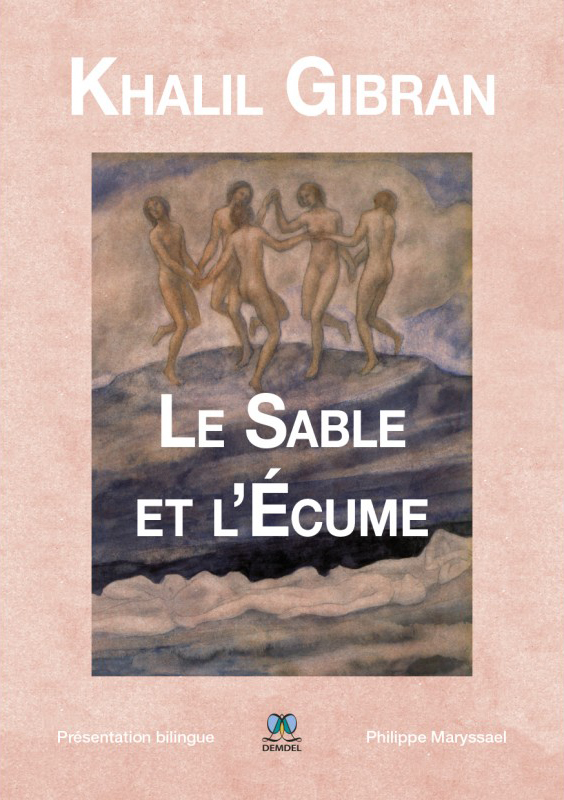
Three hundred and twenty-two aphorisms, jotted in notebooks and on odd scraps of paper in two languages, published in New York in 1926. A century on, Philippe Maryssael has carried Sand and Foam into French. By The Kahlil Gibran Collective ...
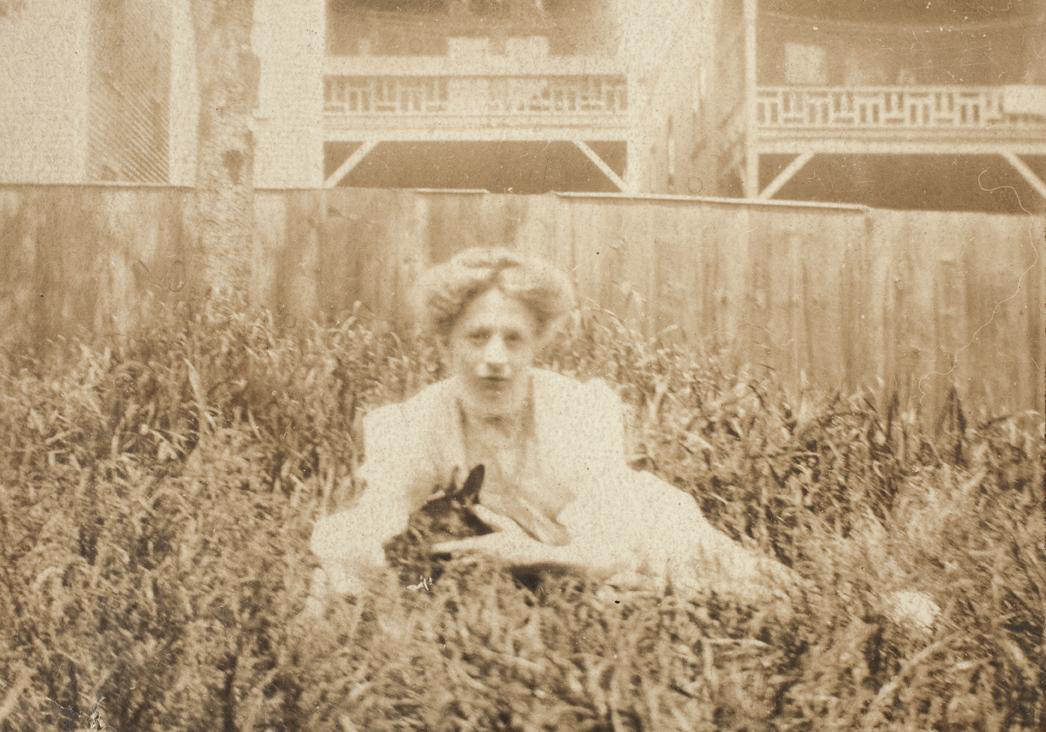
He mocked the Kaiser’s moustache and fled Egypt in his nightshirt. He invented a female editor and kept her alive for years. He was hauled through the New York courts by his own community. And somewhere between all that, Salim Sarkis introduced Kahlil Gibran to a concert pianist named Gertrude Barry. By Bob Goodhouse ...
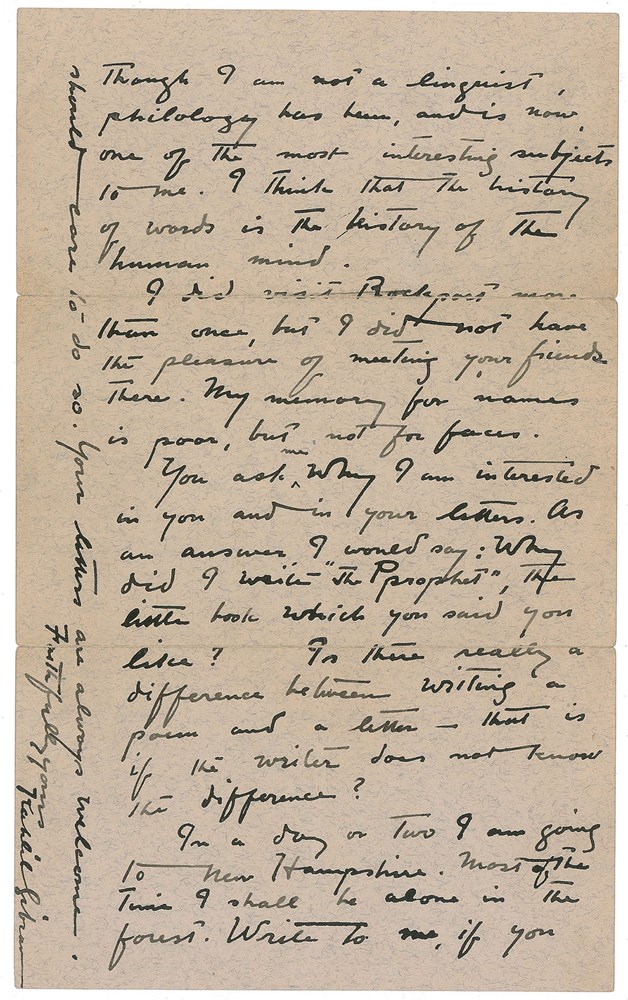
An unpublished letter in Gibran’s hand, recipient unknown and undated, has come to light — and in it he writes for the first time about a subject no one knew interested him: philology, and the history of words. By Francesco Medici and Glen Kalem-Habib ...
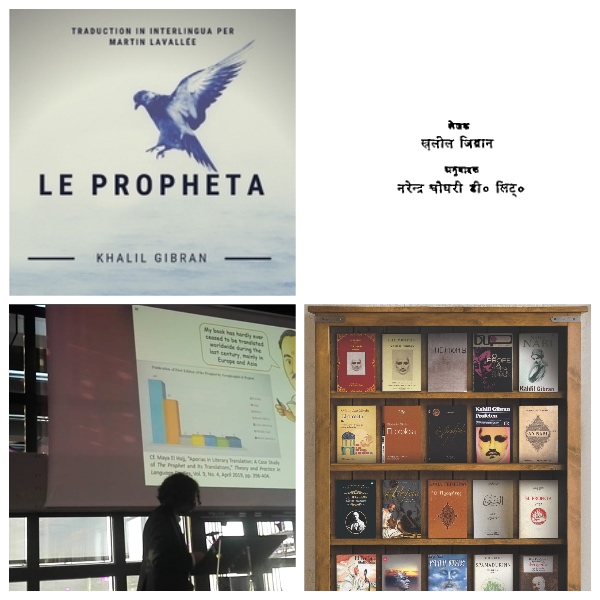
In April 2017, two Gibran scholars set out to count every language into which The Prophet had been translated. They arrived at 104. The list has not stopped growing since — it now stands at 112, and the full roll-call is set out here, language by language. By The Kahlil Gibran Collective ...
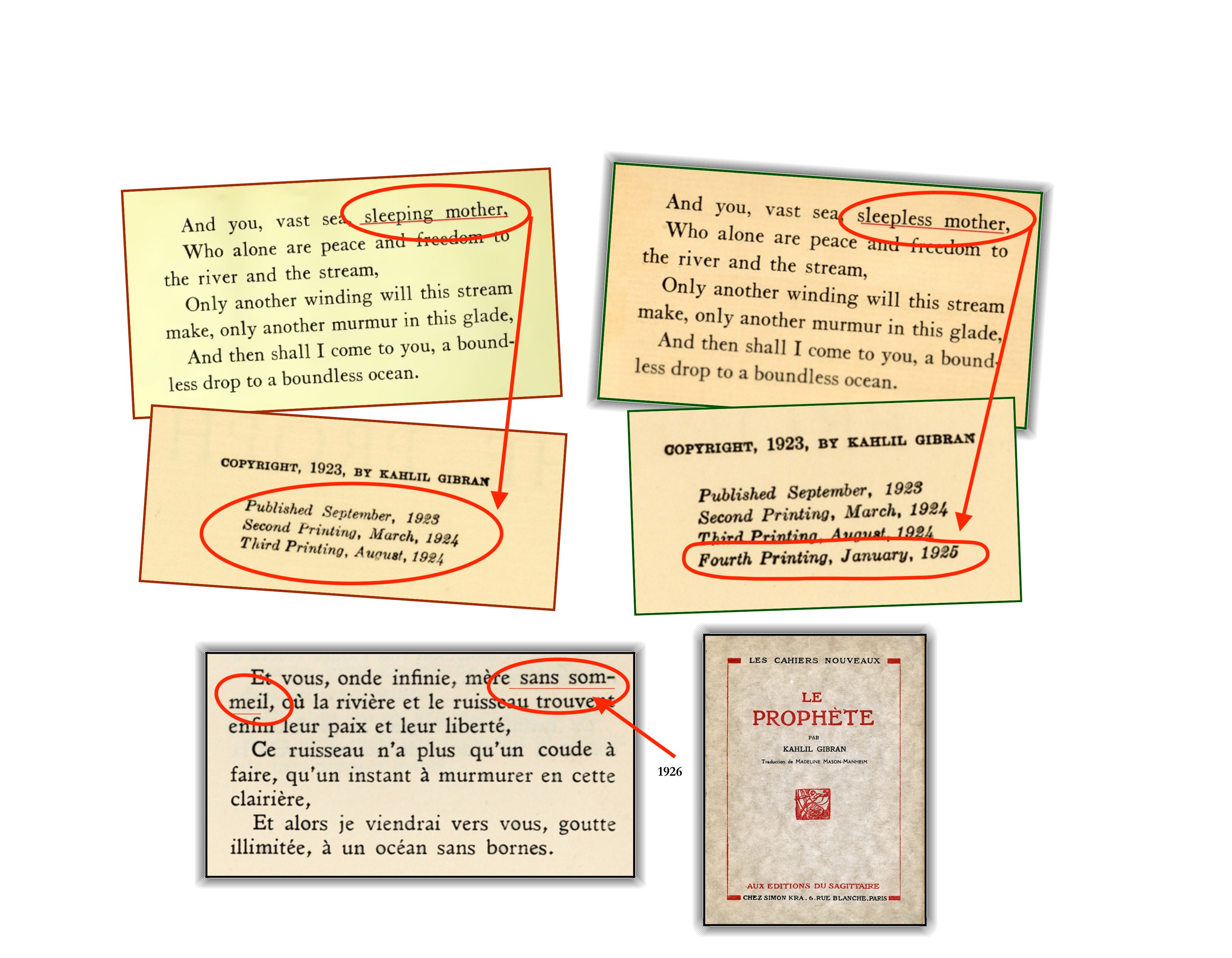
At the top of page 10 of the first edition of The Prophet, the sea is a "sleeping mother." In later printings she is "sleepless." Philippe Maryssael sets out to date the change, find its cause, and trace how a century of translators have handled it. By Philippe Maryssael · Arlon, Belgium, 2 November 2019 ...
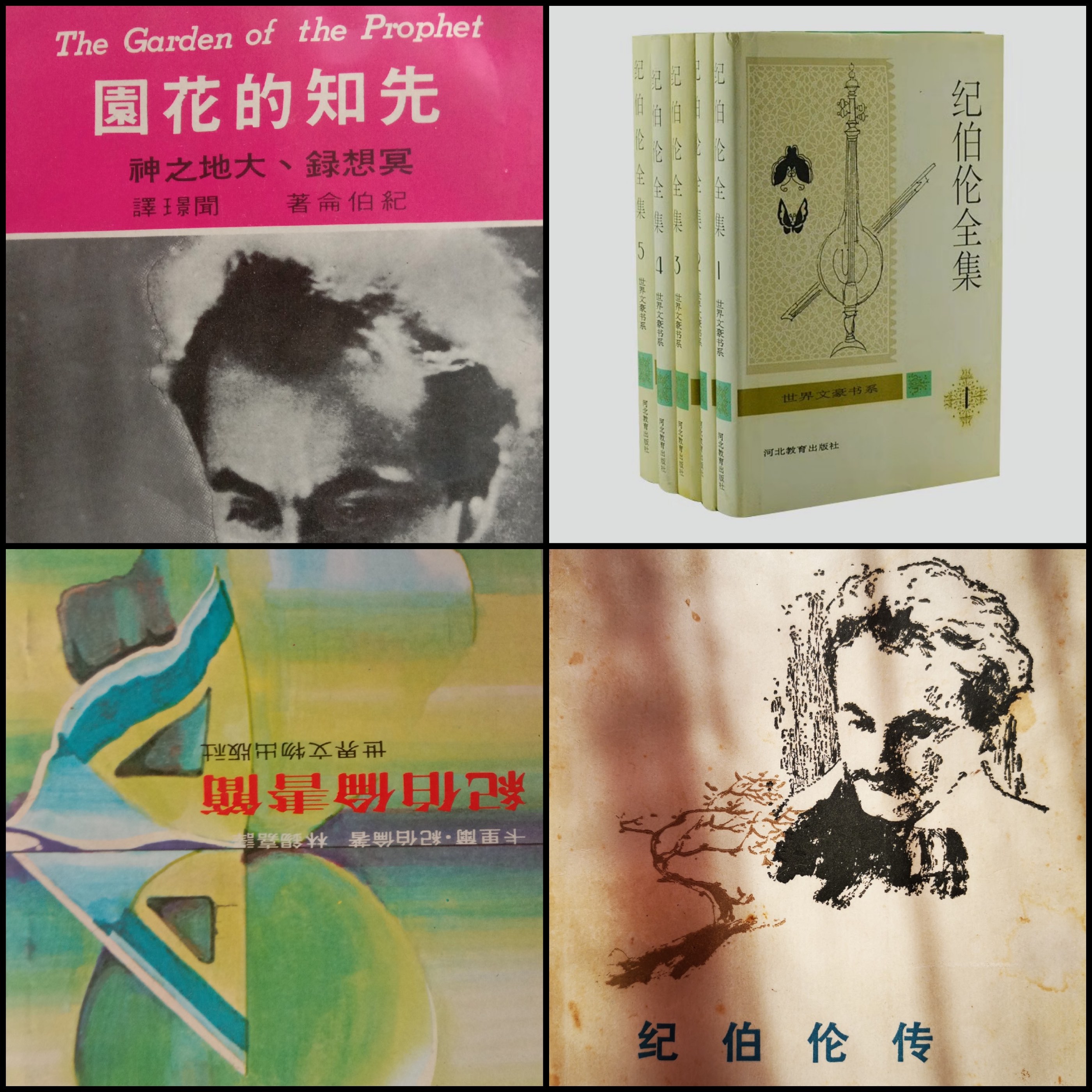
Gibran was the first Arabic author ever translated into Chinese — Bing Xin’s The Prophet appeared in 1931. Nearly a century on, China has more editions of his work than almost anywhere on earth, and almost no scholarship to match. Three Chinese professors set out the record, and the imbalance at its heart. By Lijuan Gan, Xuehua Miao and Wei Liang · Edited by Glen Kalem-Habib ...

On 5 January 1929 the Pen League gave a dinner for Kahlil Gibran at the McAlpin Hotel. A hundred people came. Robert Goodhouse and his colleagues have spent years putting names to the faces in the one photograph that survives. By Todd Fine · Originally published on HuffPost, 15 June 2017 ...
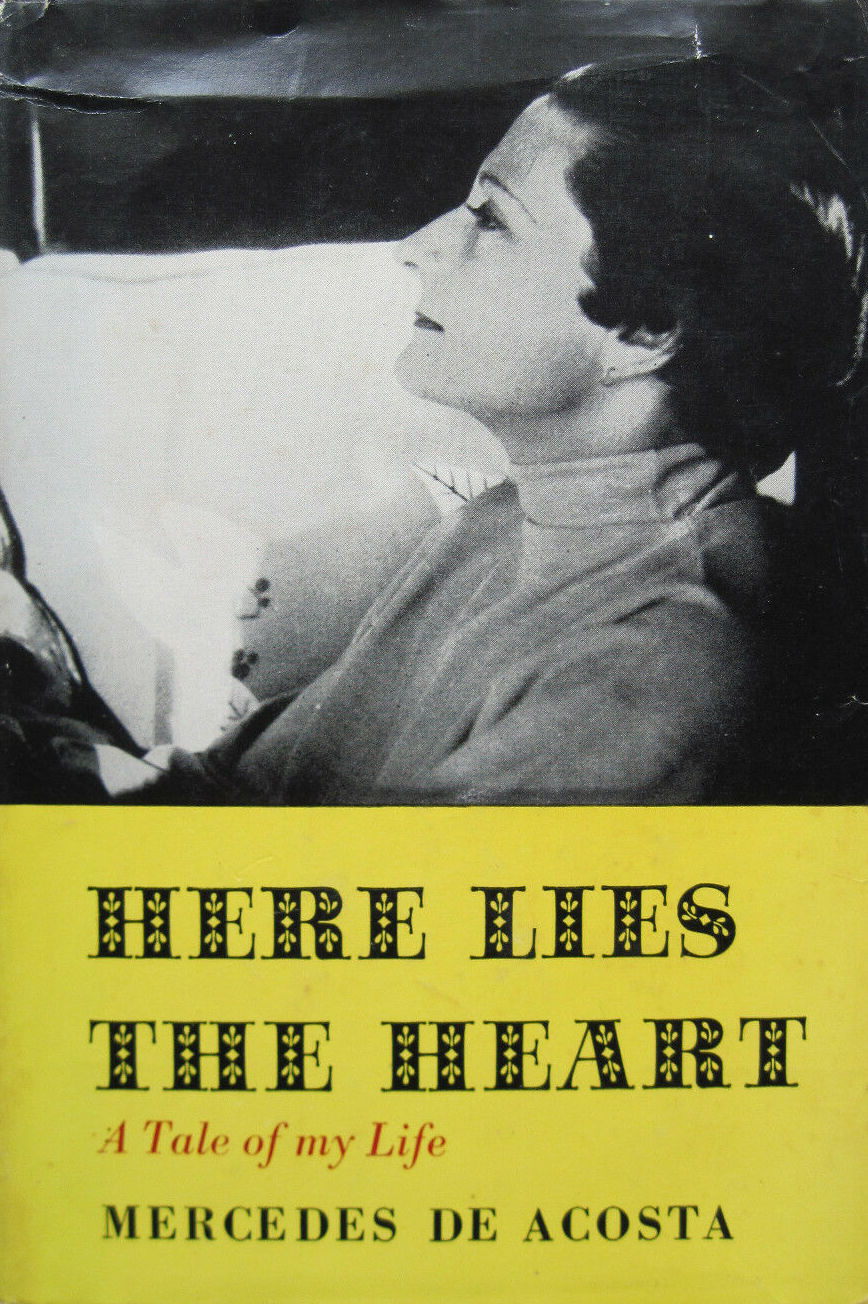
John Barrymore was frightened to sit for his portrait alone, so he brought Mercedes de Acosta with him to a studio on West Tenth Street. She left with a copy of the Bhagavad Gita and, by her own account, a different life. Edited by Francesco Medici and Glen Kalem-Habib ...
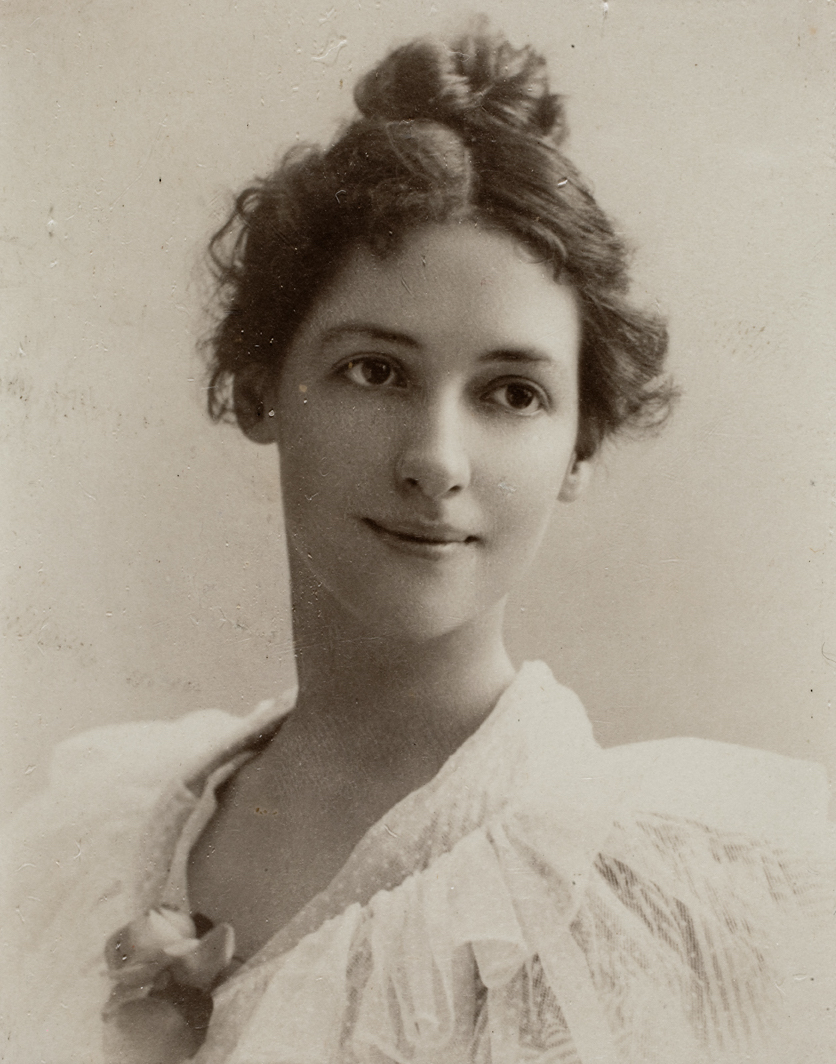
Gibran tried out his first English lines on the poet Josephine Peabody. One of those early prose poems survives among her papers at Harvard — awkward, unpolished, and unmistakably his. Edited by Francesco Medici and Glen Kalem-Habib ...
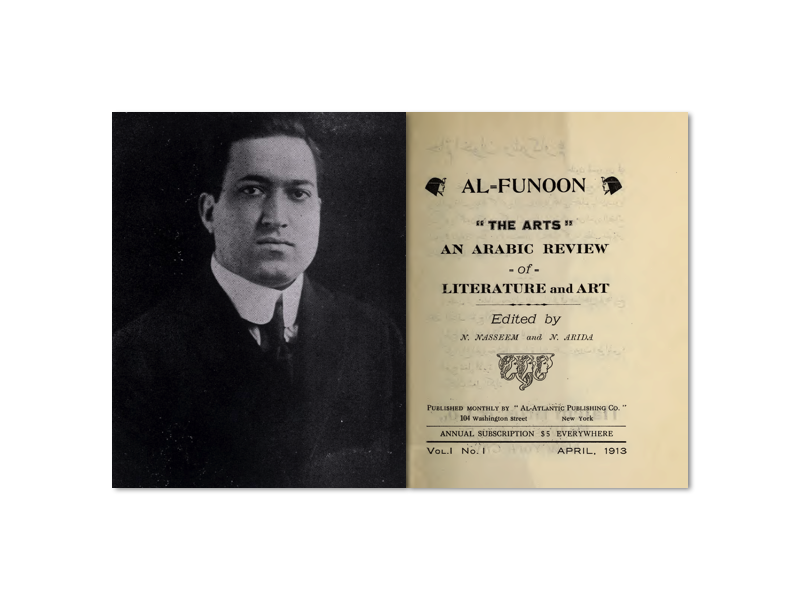
When Al-Funoon launched in New York in April 1913, its first pages were given to Kahlil Gibran — a poem and a full-page photograph. It was not an accident, but a statement about who the Mahjar's leading voice was. By Francesco Medici ...