The Prophet at 117 Languages — and Still Growing
New translations confirm Kahlil Gibran's masterpiece as one of the most translated
single-author works in the history of the written word
There is a short list of books that human beings, across centuries and cultures, have felt compelled to carry into their own language. The Bible. The Little Prince. Pinocchio. The Dao De Jing. These are ancient texts, children's stories, sacred scriptures — works with centuries or millennia of institutional momentum behind them.
And then there is The Prophet.
A slim volume of prose-poetry, barely 20,000 words, written by a Lebanese immigrant in a Greenwich Village studio apartment and published by Alfred A. Knopf on 23 September 1923. No marketing campaign. No institutional backing. No religious organisation distributing it by the millions. Just the book and the reader, passed hand to hand, across more than a century and across every border on earth.
Today, following the discovery of several new translations since the last published study in 2018 — confirmed further by new research in 2020 and again now in 2026 — we can report that The Prophet has been translated into a verified 117 languages [1]. It has sold an estimated 100 million copies worldwide [2]. It has never once been out of print since the day it was first published — reprinted 188 consecutive times by Alfred A. Knopf alone [3].
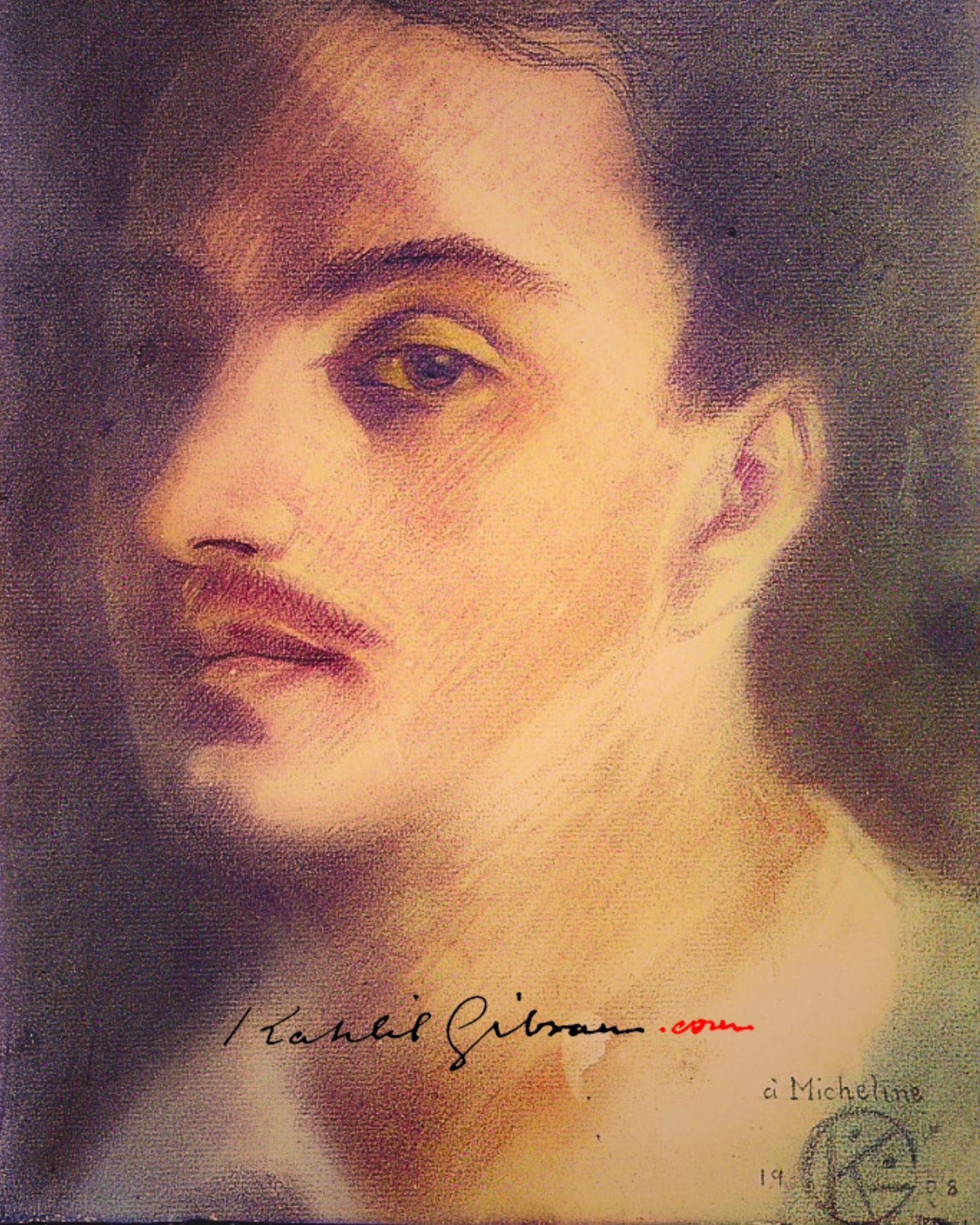
In June 2018, researcher Francesco Medici and I published the findings of what we believe to be the first comprehensive academic study ever undertaken on the translation history of The Prophet [4]. What we found astonished even the most devoted Gibran scholars: where conventional wisdom had placed the number of translations at somewhere between 40 and 60, our verified count reached 104 — and kept climbing. By September of that year, a follow-up update brought the total to 108, with the addition of Cebuano, Basque, Berber, and Norwegian Bokmål [5].
A further update published in January 2020 revised the count to 112 [6], and the Kahlil Gibran Collective's own reference has since cited 115. The new translations documented in this article now bring the verified total to 117.
The methodology throughout has remained consistent and deliberately strict: only first-edition translations by language or country of origin are counted. Subsequent translations into the same language — however significant — are not included. The aim has always been to map the reach of the book into new linguistic worlds, not to count every edition that has ever existed.
Rankings of most-translated works depend greatly on how you count. In the original 2018 study, this author estimated — based on our own working assessment at the time — that The Prophet, with 104 verified translations, sat at approximately number 10 on a broad global list of most translated works [4]. This was our own estimate, not drawn from a standardised ranking, and the more detailed global list that has since been compiled places it at #16 overall.
In both cases, however, a critical problem with those overall rankings must be acknowledged: they mix single-author books with multi-author religious texts, multi-volume series, comic collections, political pamphlets distributed by state machinery, and ancient compilations of disputed authorship.
| # | Work | Author | Pub. | Translations | Notes |
|---|---|---|---|---|---|
| 1 | The Little Prince | Antoine de Saint-Exupéry | 1943 | 610 | Children's novella |
| 2 | Adventures of Pinocchio | Carlo Collodi | 1883 | 240–260 | Children's novel |
| 3 | Don Quixote | Miguel de Cervantes | 1615 | 140+ | Novel |
| 4 | Alice's Adventures in Wonderland | Lewis Carroll | 1865 | 174 | Children's novel |
| 5 | Steps to Christ | Ellen G. White | 1892 | 160+ | Religious text |
| 6 | The Prophet | Kahlil Gibran | 1923 | 108 (est. 117) | Prose-poetry — 107 pages |
| 7 | The Upright Revolution | Ngũgĩ wa Thiong'o | 2016 | 100 | Short fable |
| 8 | The Alchemist | Paulo Coelho | 1988 | 70 | Novel/fable |
| 9 | Norwegian Wood | Haruki Murakami | 1987 | 36 | Novel |
| 10 | Quo Vadis | Henryk Sienkiewicz | 1895 | 61 | Historical novel |
Source: Wikipedia, List of literary works by number of translations; KGC research 2018–2026. Highlighted row = The Prophet.
| Rank | Work | Author | Trans. | Notes |
|---|---|---|---|---|
| 1 | The Bible | Various | 4,000+ | Religious text, multiple authors |
| 2 | The Little Prince | Saint-Exupéry | 610 | Single-author novella |
| 3 | Adventures of Pinocchio | Collodi | 240–260 | Single-author novel |
| 4 | Dao De Jing | Laozi | 250+ | Ancient philosophy, attributed |
| 5 | The Pilgrim's Progress | John Bunyan | 200+ | Religious allegory |
| 6 | The Communist Manifesto | Marx & Engels | 200+ | Political tract, two authors |
| 7 | Alice's Adventures in Wonderland | Lewis Carroll | 174 | Single-author novel |
| 8 | Grimm's Fairy Tales | Brothers Grimm | 170 | Folk collection, two editors |
| 12 | The Book of Mormon | — | 115 | Religious text, disputed authorship |
| 13 | Asterix series | Goscinny & Uderzo | 115 | Comic series, multi-volume |
| 14 | The Way to Happiness | L. Ron Hubbard | 114 | Pamphlet, institutional distribution |
| 15–16 | The Prophet | Kahlil Gibran | 108 (est. 117) | Single-author prose-poetry, 107 pages |
| 17 | The Upright Revolution | Ngũgĩ wa Thiong'o | 100 | Short fable |
| 21 | Harry Potter series | J.K. Rowling | 85 | 7-volume novel series |
Source: Wikipedia, List of literary works by number of translations. Highlighted = The Prophet. Overall rankings include multi-author, multi-volume and institutionally distributed works.
To understand what 117 translations actually means, it helps to stand back from the numbers for a moment. The Prophet entered the world with a first print run of 2,000 copies, of which 1,159 sold. Its publisher Alfred A. Knopf — by his own admission — expected little from it. "It must be a cult," Knopf famously said of its readers years later. "But I have never met any of its members. I haven't met five people who ever read Gibran." [7]
That first printing sold out within a month. The demand doubled the following year — and doubled again. By 1935, annual sales had reached 12,000 copies. By 1961, 111,000. By 1965, 240,000 copies sold in a single year. The one millionth copy sold in 1957. By the mid-1960s, The Prophet was selling at the rate of 5,000 copies a week [8].
Today, across all editions and all languages, worldwide sales are estimated at over 100 million copies [2]. Penguin Random House — which now operates Alfred A. Knopf as one of its flagship imprints — currently maintains multiple active simultaneous editions in print, including a 2019 Penguin Classics deluxe hardcover with a foreword by Rupi Kaur [9].
Since the book entered the US public domain on 1 January 2019, new publishers around the world have added their own editions. The "never out of print" status, once held exclusively by Knopf, now belongs to the world.
The following translations have been verified as new entries since the 2018 Kalem-Medici study, each representing a genuine first-edition translation into a previously unrecorded language.
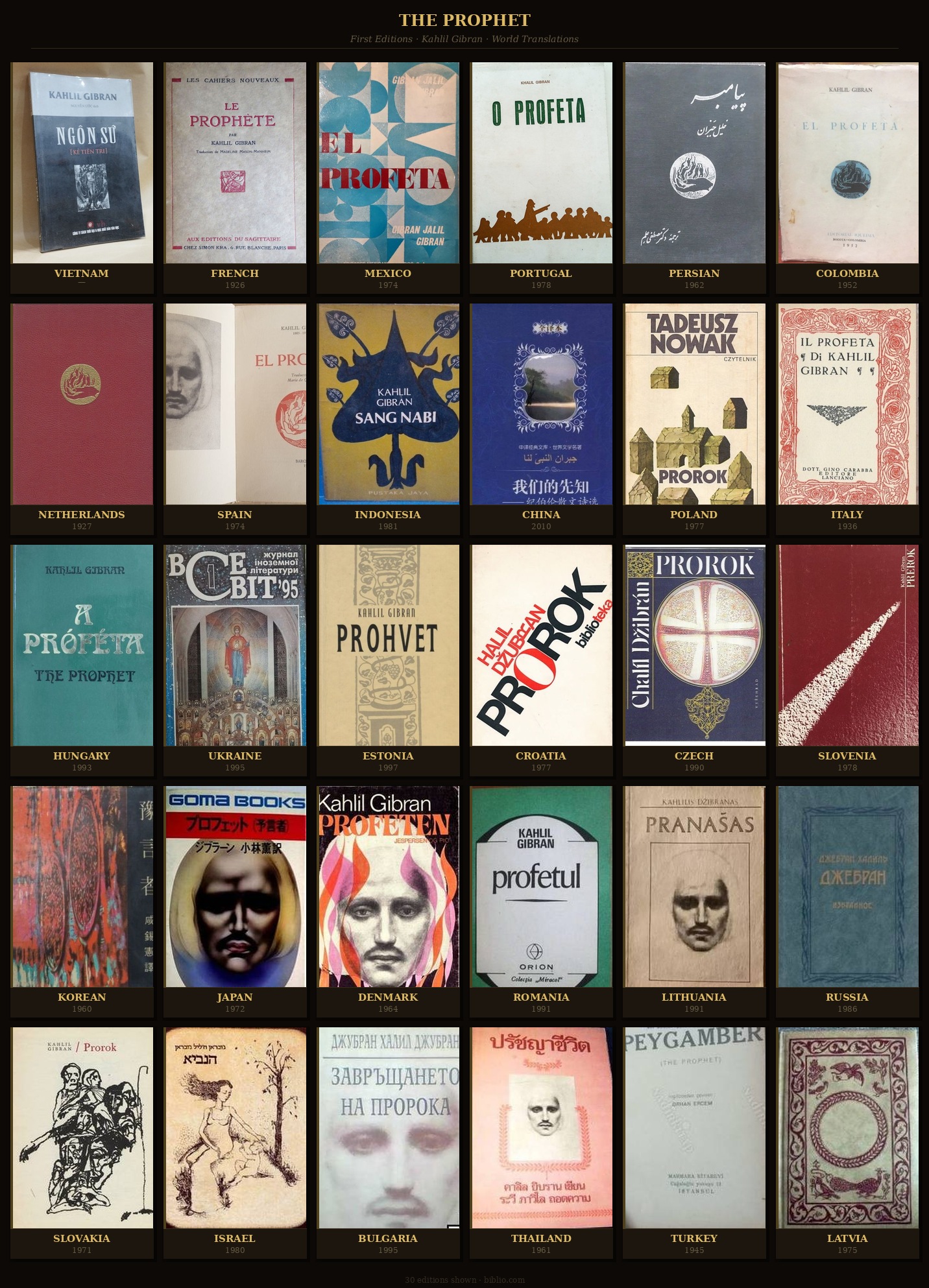
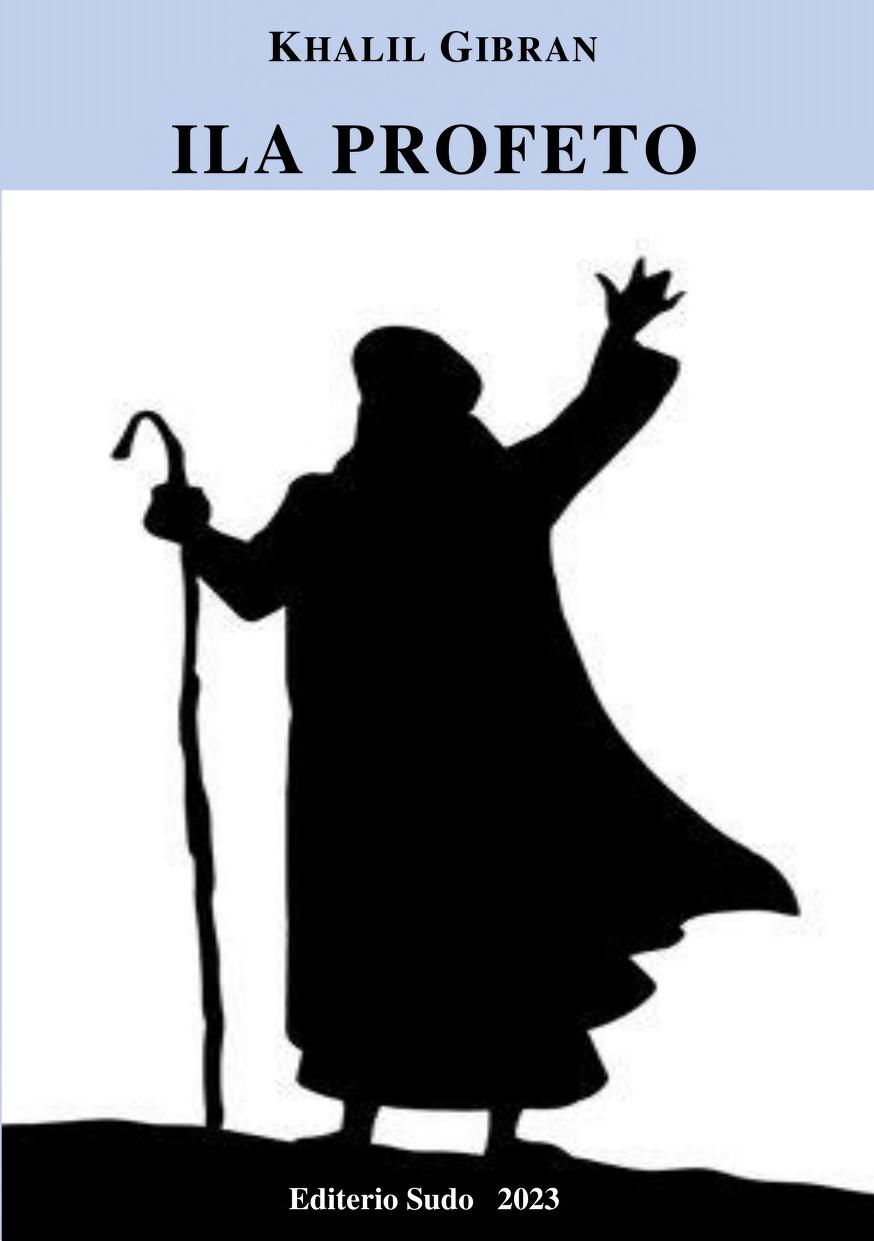
Translated by Partaka — a well-known Valencian writer who has spent 20 years producing literature in Ido — and published by Editerio Sudo in Espinho, Portugal in 2023, Ila Profeto is the first-ever translation of The Prophet into Ido [10]. The Internet Archive record describes it as "the first book-format Ido edition of the famous work."
The Prophet now exists in all four of the most significant constructed international languages: Esperanto (1962), Kotava (2015), Interlingua (2019), and now Ido (2023) — each adopted independently, by separate communities, with no coordination between them.
Perhaps the most remarkable cluster of new discoveries is one that no one predicted: in the single year of 2021, the small Irish publisher Evertype brought The Prophet to three Celtic languages simultaneously.
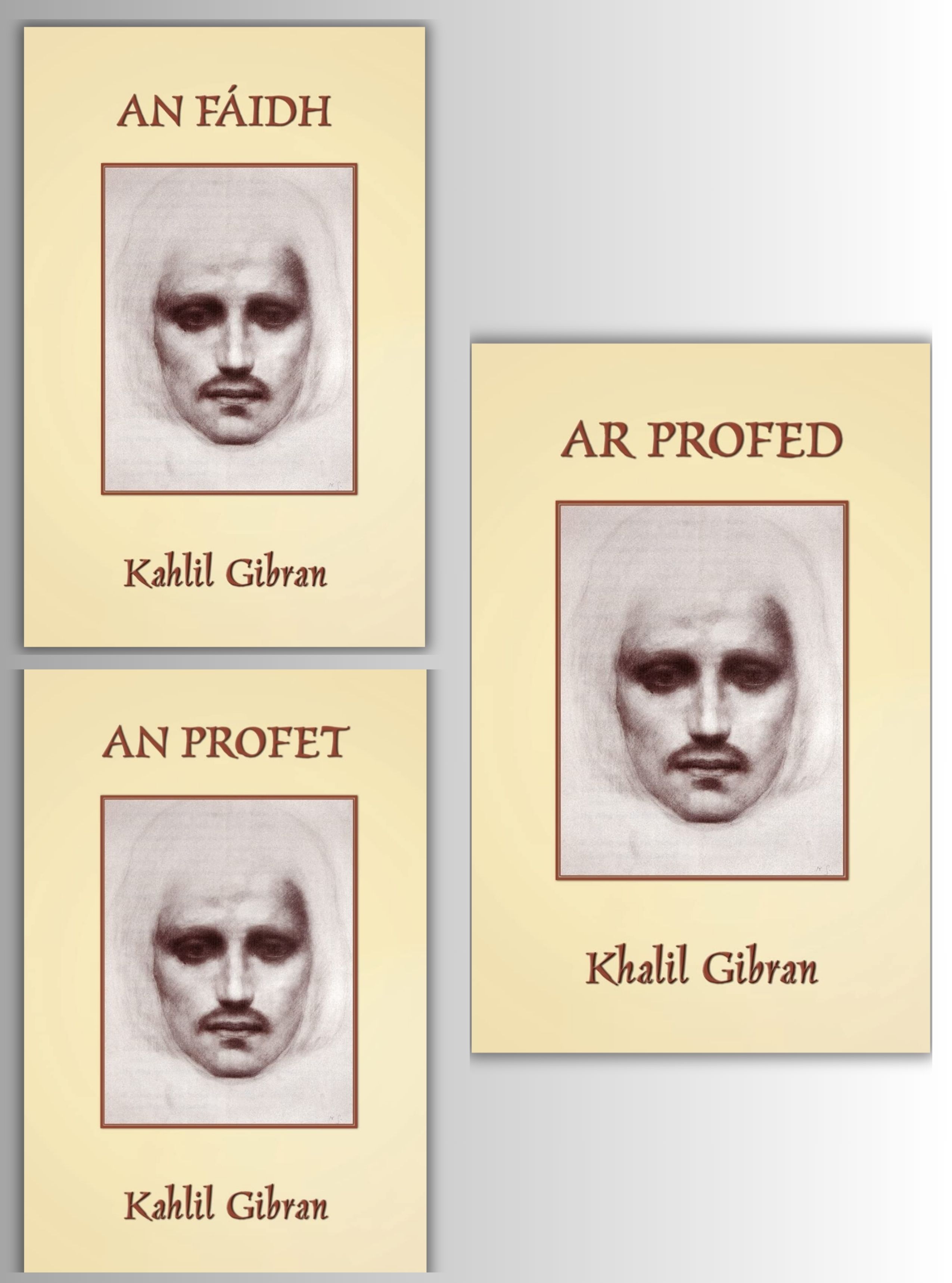
The first-ever Irish language translation, by award-winning Irish poet Gabriel Rosenstock. That Gibran's words should find their way into a language that spent centuries suppressed by colonial rule, and which is today at the heart of one of the world's great cultural revival movements, feels entirely in keeping with the spirit of the book.
The first Cornish translation. Cornish, a language declared extinct in the 18th century and systematically revived in the 20th, now counts a growing community of speakers in Cornwall. That The Prophet exists in Cornish is a quiet confirmation that the revival is real.
The first Breton translation. Breton is the Celtic language of Brittany in northwestern France, another tongue that survived centuries of suppression under French centralisation. Its literary tradition stretches back a thousand years; its place in the Gibran translation story is new.
The first translation into Galician (galego) — a Romance language closely related to Portuguese, spoken by approximately 2.4 million people in Galicia and suppressed under the Franco dictatorship. This edition also incorporates The Garden of the Prophet, making it a doubly generous contribution.
The first Interlingua translation. Developed in the 1950s from the common vocabulary of major Western European languages, Interlingua was designed to be immediately readable by speakers of Romance languages without prior study.
Academic research into the history of translation in the Odia language references an earlier translation under the title Mahabanab (meaning "The Great Prophet") [11]. This predates the Debaduta (2023) edition which had appeared as a potential new entry in our working document. Under the study methodology, Mahabanab constitutes the first Odia translation. Full details are currently under investigation.
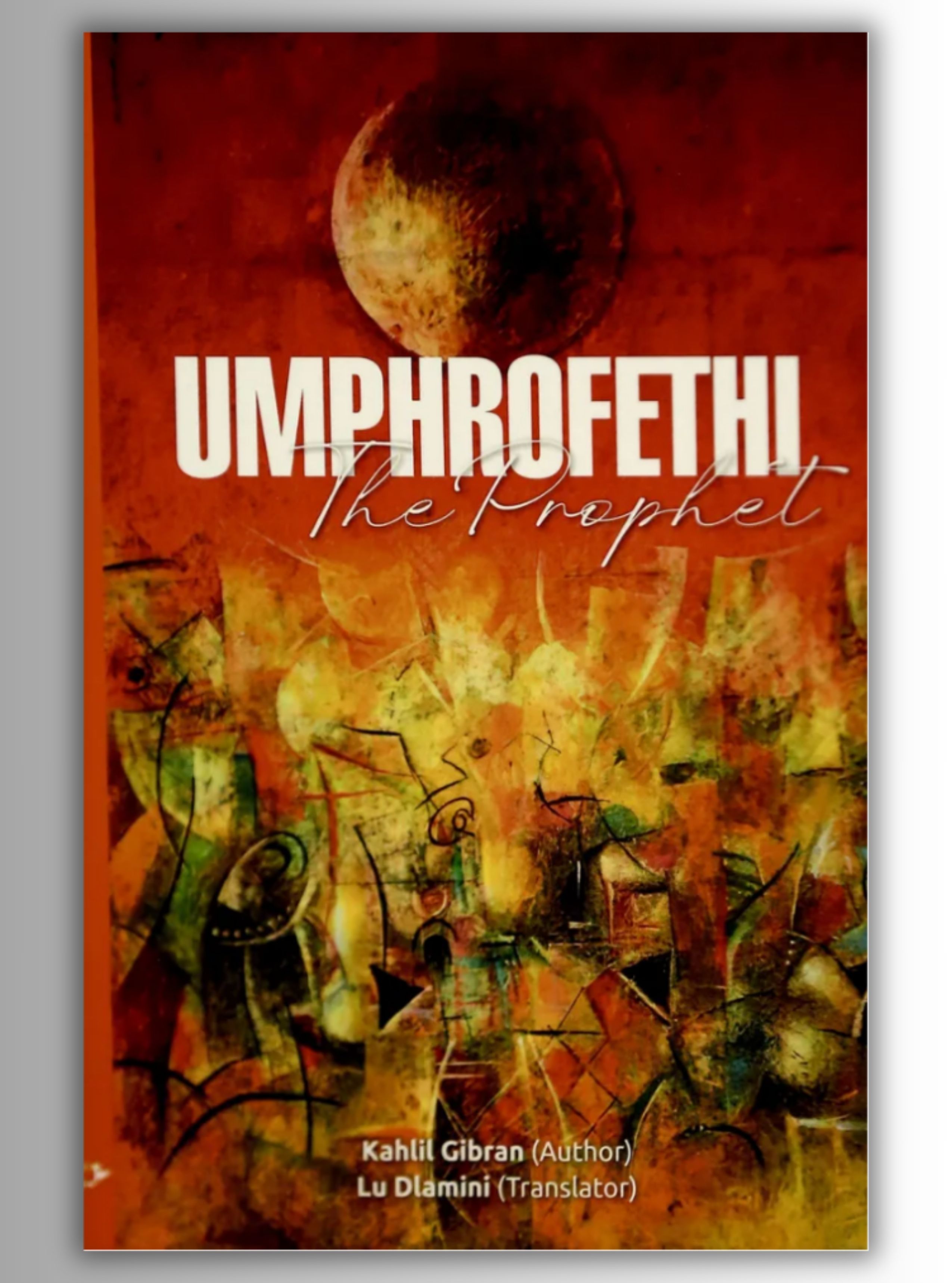
Musician and artist Lu Dlamini began translating The Prophet into isiZulu during the Covid-19 lockdown — not with publication in mind, but out of personal necessity. She wrote it by hand in pencil, twice over [12]. The result, UMPHROFETHI, was published through the University of Johannesburg and launched at Ike's Books in Durban in April 2026.
However, since Zulu (isiZulu) already appears in our study — Umpholofithi, trans. DBZ Ntuli, Ad Donker, Johannesburg, 1983 — this cannot be counted as a new language entry under our methodology. What it adds to is the larger story of why this book endures.
The following table maps the growth of The Prophet's translation history decade by decade, from first publication in 1923 to the present day.
| Decade | New | Languages Added |
|---|---|---|
| 1920s (1923–1929) | 3 | English original (1923), French (1926), Dutch (1927) |
| 1930s | 7 | Chinese, Czech, German, Swedish, Spanish ×3, Yiddish |
| 1940s | 3 | French (Belgium), Turkish, Indonesian |
| 1950s | 6 | Polish, Afrikaans, English Braille*, Pashto, Sanskrit, Icelandic |
| 1960s | 8 | Greek, Esperanto, Finnish, Telugu, Thai, Spanish (Peru), Persian, Urdu |
| 1970s | 9 | Slovak, Swahili, Catalan, Spanish (Spain), Latvian, Filipino, Japanese, Slovenian, Hebrew |
| 1980s | 14 | Faroese, Danish, German (Switz.), French (Canada), Portuguese (Portugal), Northern Sotho, Zulu, Sesotho, Setswana, Xitsonga, Isi Xhosa, Armenian (W.), Malayalam, Norwegian (Bokmål) |
| 1990s | 13 | Macedonian, Hungarian, Romanian, Russian, Bulgarian, Estonian, French (Switz.), Vietnamese, Lithuanian, Spanish (Uruguay), Occitan, Ukrainian, Serbian |
| 2000s | 13 | Kurdish, Syriac (Sweden), Uyghur, Romani, Albanian, Nepali, Sinhala, Maltese, Basque, Armenian (East.), Korean, Cebuano, Malay |
| 2010s | 16 | Amharic, Bikol, Gujarati, Lombard, Tamil, Tagalog, Papiamento, Berber, Tamazight, Azerbaijani, Kabyle, Kotava, French (Andorra), Tigrinya, Arabic (England), Norwegian (Nynorsk) |
| 2020s | 7 | Irish / An Fáidh (2021), Breton / Ar Profed (2021), Cornish / An Profet (2021), Galician (2018*), Interlingua (2019*), Ido / Ila Profeto (2023), Odia / Mahabanab (TBC) |
| TOTAL 1923–2026 | 117 | First-edition language translations verified to April 2026 |
* Braille edition (1951) listed separately under Special Editions; not included in the language count. ** Galician (2018) and Interlingua (2019) discovered post-study; Odia (Mahabanab) date TBC.
The map below shows every country in which a verified first-edition translation has been published. Hover any highlighted country to see the language, translated title, year of publication, and whether it is a new discovery since 2018. Countries with a gold border contain at least one new post-2018 translation.
The following edition holds a singular place in the history of The Prophet. It does not represent a new language translation and is therefore not included in the primary count of 117. It is documented here as testimony to the extraordinary breadth of the book's reach.
A Braille edition of The Prophet was produced through the United States Library of Congress and printed at the American Printing House for the Blind in Louisville, Kentucky, distributed through the national network of regional libraries for the blind [13].
Its significance is deepened by Gibran's own documented fascination with Braille during his lifetime. As recorded by his friend Joseph Nahas, Gibran once sat with a blind man in Battery Park, New York, watching him read with his fingers, and later reflected: "The mind of this blind man is more perceptive than many normally visional persons whose eyes glare at the sun without blinking." He went on to discuss the possibility of adapting the Arabic alphabet to a Braille-like point system [14].
First-edition translations only, one per language or country of origin, listed in alphabetical order. Entries marked NEW are additions since the 2018 Kalem-Medici study.
| # | Language | Title | Translator(s) | Publisher | Country | Year |
|---|---|---|---|---|---|---|
| 1 | Afrikaans | Die profeet | Louis Fourie | J.L. Van Schaik | South Africa | 1955 |
| 2 | Albanian | Profeti | Maksim Rakipaj | Botimet Toena | Albania | 2003 |
| 3 | Alsatian | De Prophet | APECM, ed. Fouad Alzouheir | APECM | France | 2013 |
| 4 | Amharic | YeTibeb Meniged (Nebiyu) | Demelash Tiulahun et al. | Commercial Publishing Enterprise | Ethiopia | 2011 |
| 5 | Arabic (Egypt) | al-Nabī | Anṭūniyūs Bashīr | al-Maṭbaʻah al-Raḥmānīyah | Egypt | 1926 |
| 6 | Arabic (England) | al-Nabī | Jamīl al-ʿĀbid | Elan Publications | England | 2016 |
| 7 | Arabic (Lebanon) | al-Nabī | Mikhail Naimy | Muʼassasat Nawfal | Lebanon | 1956 |
| 8 | Armenian (Eastern) | Margarēn | Hovik Yordekian | Lebanese Embassy of Armenia | Armenia | 2008 |
| 9 | Armenian (Western) | Margarēn | Vahe-Vahian (Sarkis Abdalian) | Tparan Katoġikosowtean | Lebanon | 1983 |
| 10 | Assamese | Propheṭa | Jyotiprasād Śaikīẏā | Natuna Asama | India | 1994 |
| 11 | Azerbaijani | Peyğəmbər | S. Bulut | Qanun | Azerbaijan | 2014 |
| 12 | Bahasa Acèh | al-Nabī | Unknown | Unknown | Unknown | Unknown |
| 13 | Basque | Profeta | Patxi Ezkiaga | Arantzazu | Spain | 2008 |
| 14 | Bengali/Bangla (Bangladesh) | The Prophet | Chowdury Mushtaq Ahmed | Mowla Brothers | Bangladesh | 2009 |
| 15 | Bengali/Bangla (India) | Dya prapheṭa | Ajita Miśra | Amṛtaloka Sāhitya Parishada | India | 1993 |
| 16 | Berber | Amusnaw | Youcef Allioui | L'Harmattan | France | 2014 |
| 17 | Bikol | An Profeta | Fr. Wilmer Joseph S. Tria | Ina Nin Bikol Foundation | Philippines | 2013 |
| 18 | Breton NEW | Ar Profed | Alan Dipode | Evertype | France | 2021 |
| 19 | Bulgarian | Prorokŭt | Maya Tzenova | Kibea | Bulgaria | 1997 |
| 20 | Catalan | El profeta | Maria de Quadras | Altés | Spain | 1974 |
| 21 | Cebuano | Ang Propeta | Jesus 'Sonny' Garcia Jr. | Sun Star Pub. | Philippines | 2009 |
| 22 | Chinese (Mandarin) | Xianzhi | Xie Bingxin | Xinyue Shudian | China | 1931 |
| 23 | Cornish NEW | An Profet | Ian Jackson | Evertype | England | 2021 |
| 24 | Croatian | Prorok | Marko Grcic | GZH | Croatia | 1985 |
| 25 | Czech | Prorok | Oldřich Hlaváč | Prota–Ludvík Souček | Czechia | 1932 |
| 26 | Danish | Profeten | Per Thorrell | Lindhardt og Ringhof | Denmark | 1987 |
| 27 | Dutch (Belgium) | De profeet | Carolus Verhulst | De Nederlandsche Boekhandel | Belgium | 1977 |
| 28 | Dutch (Netherlands) | De profeet | Liesbeth Valckenier-Suringar | Servire | Netherlands | 1927 |
| 29 | Esperanto | La Profeto | Roan Orloff-Stone | Eldonejo Stafeto | Spain | 1962 |
| 30 | Estonian | Prohvet | Doris Kareva | Huma | Estonia | 1997 |
| 31 | Faroese | Profeturin | Hans J. Glerfoss | Marna | Faroe Islands | 1986 |
| 32 | Filipino | Ang Propeta | Felicidad Sagalongos-San Luis | Vertex | Philippines | 1975 |
| 33 | Finnish | Profeetta | Annikki Setälä | Karisto | Finland | 1968 |
| 34 | French (Andorra) | Le Prophète | Unknown | AnimaViva Multilingüe | Andorra | 2016 |
| 35 | French (Belgium) | Le Prophète | Marcel Lobet | Édition universelle | Belgium | 1943 |
| 36 | French (Canada) | Le prophète | Paul Kinnet | Éditions de Mortagne | Canada | 1983 |
| 37 | French (France) | Le prophète | Madeline Mason-Manheim | Éditions du Sagittaire | France | 1926 |
| 38 | French (Switzerland) | Le prophète | Michaël La Chance | Éditions Idégraf | Switzerland | 1985 |
| 39 | Galician NEW | El profeta (y El jardín del profeta) | Ghaleb Jaber Ibrahim | Fundación Araguaney–Teófilo Edicións | Spain | 2018 |
| 40 | German (Austria) | Der Prophet | Karin Graf | Buchgemeinschaft Donauland | Austria | 1987 |
| 41 | German (Germany) | Der Prophet | G.-E. Frhr. von Stietencron | Hyperion | Germany | 1925 |
| 42 | German (Switzerland) | Der Prophet | Ursula Assaf-Nowak | Walter | Switzerland | 1984 |
| 43 | Greek | O Profetes | Giannis Papadakis | C. Stavrakakis | Greece | 1960 |
| 44 | Gujarati | Viday Velakhe | Kishore Mashruwala | Navjivan Prakashan Mandir | India | 2013 |
| 45 | Hebrew | ha-Navi | Noʻah Zalud | Hotsaʼat Tamuz | Israel | 1975 |
| 46 | Hindi | Paigambar | Nilima Singh | Hind Pocket Books | India | 2009 |
| 47 | Hungarian | A próféta | Révbíró Tamás | Édesvíz | Hungary | 1992 |
| 48 | Icelandic | Spámaðurinn | Gunnar Dal | Almenna bókafélagið | Iceland | 1958 |
| 49 | Ido NEW | Ila Profeto | Partaka | Editerio Sudo | Portugal | 2023 |
| 50 | Indonesian | An Nabi | Bahrum Rangkuti | Pembangunan Opbouw | Indonesia | 1949 |
| 51 | Interlingua NEW | Le Propheta | Martin Lavallée | Lulu.com | USA | 2019 |
| 52 | Irish (Gaelic) NEW | An Fáidh | Gabriel Rosenstock | Evertype | Ireland | 2021 |
| 53 | Isi Xhosa | Umprofethi | Koliswa Moropa | Pooka | South Africa | 2007 |
| 54 | Italian | Il profeta | Eirene Niosi-Risos | Gino Carabba | Italy | 1936 |
| 55 | Japanese | Yogensha | Kobayashi Kaoru | Goma Shobo | Japan | 1972 |
| 56 | Kabyle | Nnbi | Farid Abac | Laphomic | Algeria | 1991 |
| 57 | Kannada | Pravādi | Dēsāyi Dattamūrti | Ānanda Granthamālā | India | 1953 |
| 58 | Korean | Sŏnjija | Han Il-san | Han'guk Kidokkyo Munhwawŏn | South Korea | 1978 |
| 59 | Kotava | Katcilik | Staren Fetcey | Kotavaxak dem Suterot | — | 2015 |
| 60 | Kurdish | Peyamber | Husein Muhammed | Helwest | Sweden | 2001 |
| 61 | Latvian | Pravietis | Ingridas Vīksnas | Greenwood Printers | Canada | 1975 |
| 62 | Lithuanian | Pranašas | Zigmas Ardickas | Asveja | Lithuania | 1998 |
| 63 | Lombard | El Profeta | Marc Tamburell | Menaresta | Italy | 2015 |
| 64 | Macedonian | Prorokot | G. Petreski | Kultura | North Macedonia | 1993 |
| 65 | Malay | Sang Nabi | Iwan Nurdaya Djafar | Pustaka Jaya | Indonesia | 1981 |
| 66 | Malayalam | Pravācakan | Je. Akkanatt | Janatā Buksṭāl | India | 1983 |
| 67 | Maltese | Il-profeta | Victor Fenech | Klabb Kotba Maltin | Malta | 2008 |
| 68 | Marathi | Da Prophet (Paigambar) | J.K. Jadhav | Saket | India | 2009 |
| 69 | Nepali | Guru | Netra & Pushpa Ācārya | Ṭrānsa Riprinṭa | Nepal | 2005 |
| 70 | Northern Sotho | Moprofeta | Maje S. Serudu | Ad Donker | South Africa | 1983 |
| 71 | Norwegian (Bokmål) | Profeten | Helge Hagerup | Gyldendal | Norway | 1967 |
| 72 | Norwegian (Nynorsk) | Profeten | Sondre Bratland | Kolofon | Norway | 2017 |
| 73 | Occitan (Provençal) | Alora una frema… | Babois & Toscano | Institut d'estudis occitans | France | 1999 |
| 74 | Odia NEW | Mahabanab | Under investigation | Under investigation | India | TBC |
| 75 | Papiamento | E Profeta | Hilda de Windt-Ayoubi | University Press of Maryland | USA | 2013 |
| 76 | Pashto | Haghạh wuwel | ʻAzīz al-Raḥmān Sayfī | Da Paṣhto Ṭolane | Afghanistan | 1957 |
| 77 | Persian | Payāmbar | Mostafa Alam | Taban | Iran | 1962 |
| 78 | Polish | Prorok | Wandy Dynowskiej | Cedr i Orzel | Lebanon | 1954 |
| 79 | Portuguese (Brazil) | O Profeta | Mansour Yousef Challita | Biblioteca Universal Popular | Brazil | 1963 |
| 80 | Portuguese (Portugal) | O profeta | Manuel Simões | Editorial A.O. | Portugal | 1978 |
| 81 | Punjabi | Paighambar | Guninder Singh | Punjabi University | India | 1999 |
| 82 | Romani | A próféta / O platniko | Zoltán Vesho-Farkas | Budapesti Montessori Társaság | Hungary | 2000 |
| 83 | Romanian | Profetul | Radu Cârneci | Orion | Romania | 1991 |
| 84 | Romansh | Il profet | Felix Giger | Litteratura (journal) | Switzerland | 1987 |
| 85 | Russian | Prorok | Igor Alekseyevich Zotikov | Raduga | Russia | 1989 |
| 86 | Sanskrit | Usne Kaha | Unknown | Bharatiy Akhil Sangh Seva | India | 1957 |
| 87 | Serbian | Prorok | Dragoslav Andric | D. Andrić | Serbia | 1995 |
| 88 | Sesotho | Moprofeta | Moruti W. Tšiu | Pooka | South Africa | 2007 |
| 89 | Setswana | Moporofeti | Phaladi M. Sebate | Pooka | South Africa | 2007 |
| 90 | Sinhala | Divasiya | Wimalasena Vithanapathirana | Godage | Sri Lanka | 2004 |
| 91 | Slovak | Prorok | Eduard V. Tvarozek | Tatran | Slovakia | 1971 |
| 92 | Slovenian | Prerok | Lojze Bratina | Župnijski urad sv. Magdalene | Slovenia | 1978 |
| 93 | Spanish (Argentina) | El Profeta | José E. Guraieb | L.J. Rosso | Argentina | 1933 |
| 94 | Spanish (Chile) | El profeta | Moises Mussa B. | Nascimento | Chile | 1932 |
| 95 | Spanish (Colombia) | El profeta | Antonio Chalita Sfair | Editorial Tolima | Colombia | c.1950 |
| 96 | Spanish (Mexico) | El Profeta | Leonardo Shafik Kaim | Imprenta Mundial | Mexico | 1934 |
| 97 | Spanish (Peru) | El profeta | Carlos Alberto Seguín | Tall. Gráf. P.L. Villanueva | Peru | 1967 |
| 98 | Spanish (Spain) | El profeta | Maria de Quadras | Altés | Spain | 1974 |
| 99 | Spanish (Uruguay) | El profeta | Unknown | Colicheuque | Uruguay | 1990 |
| 100 | Swahili | Mtume | Joseph R. Kotta | Tanzania Pub. House | Tanzania | 1971 |
| 101 | Swedish | Profeten | Olga Bergmann | Natur och kultur | Sweden | 1933 |
| 102 | Syriac (Iraq) | Enwīyā | Youarish Haido & Robin Bet Shmuel | Al-Mashriq Printing | Iraq | 1998 |
| 103 | Syriac (Sweden) | Nbíyā | ʻAbd Mšíḥā Naʻmaʼn Qarahbaš | Ashurbanibal Bok-förlag | Sweden | 2002 |
| 104 | Tagalog | Ang pantas | Ruth Elynia Mabanglo | C & E Publishing | Philippines | 2011 |
| 105 | Tamazight | Nnbi | Husin Luni (Hocine Louni) | Éditions Mehdi | Algeria | 2014 |
| 106 | Tamil | Tīrkkatarici | Ca. Irācamāṇikkam | Cantiyā Patippakam | India | 2011 |
| 107 | Telugu | Jeevana Geetha | Kaloji Naryana Rao | Yuva Bharathi | India | 1968 |
| 108 | Thai | Pratchayā chīwit | Ravi Vila Wilai | Phiseux kar phimph | Thailand | 1968 |
| 109 | Tigrinya | Eti Nebiy | Mesfin Gebremedhin | Mesfin Gebremedhin | England | 2016 |
| 110 | Turkish | Peygamber | Orhan Ercem | Marmara Kitabevi | Turkey | 1945 |
| 111 | Ukrainian | Prorok | Pavlo Nasada | Vsesvit (journal) | Ukraine | 1995 |
| 112 | Urdu | Paighambar | M. Saleh Zadah | Kānūn-i Maʻrifat | Iran | 1961 |
| 113 | Uyghur | Danishmăn: năsriy sheirlar | Unknown | Qăshqăr Uighur Năshriyati | China | 2001 |
| 114 | Vietnamese | Nhà tiên tri | Châu Diên | Nxb Hội nhà văn | Vietnam | 1992 |
| 115 | Xitsonga (Tsonga) | Muprofeta | Ximbani E. Mabaso | Pooka | South Africa | 2007 |
| 116 | Yiddish | Der novi | Isaac Horowitz | Biblioteka Jaczkowskiego | Poland | 1929 |
| 117 | Zulu | Umpholofithi | DBZ Ntuli | Ad Donker | South Africa | 1983 |
NEW = Added since the 2018 Kalem-Medici study · TBC = Publication details under investigation · Total: 117 verified first-edition language translations to April 2026
| Format | Title | Translator | Publisher | Country | Year |
|---|---|---|---|---|---|
| English (Braille) SPECIAL | The Prophet | — | Division for the Blind & Phys. Handicapped / American Printing House for the Blind (Library of Congress) | USA | c. 1951 |
What the numbers cannot fully convey is the texture of what lies behind them. Every entry in this list represents a translator who felt, somewhere deep in their reading of Gibran's prose, that people in their language deserved to hear this. Sometimes that was a scholar working in a university archive. Sometimes it was a musician in lockdown, writing in pencil by hand — twice. Sometimes it was a small publisher in Ireland, quietly determined that no language worth speaking should go without The Prophet.
At 117 verified translations, The Prophet stands as the most translated single work of prose-poetry by a single modern author in the history of literature. In the One Book, One Author ranking, only The Little Prince — a children's novella with 610 translations accumulated over 80 years and the benefit of extraordinary institutional support — stands clearly above it.
The list above will not be the final count. It never has been. Every time researchers think they have reached the edges of The Prophet's reach, the book surprises them again.